Remaking Mutirikwi: Landscape, Water and Belonging in Southern Zimbabwe (Eastern Africa Series, 25)
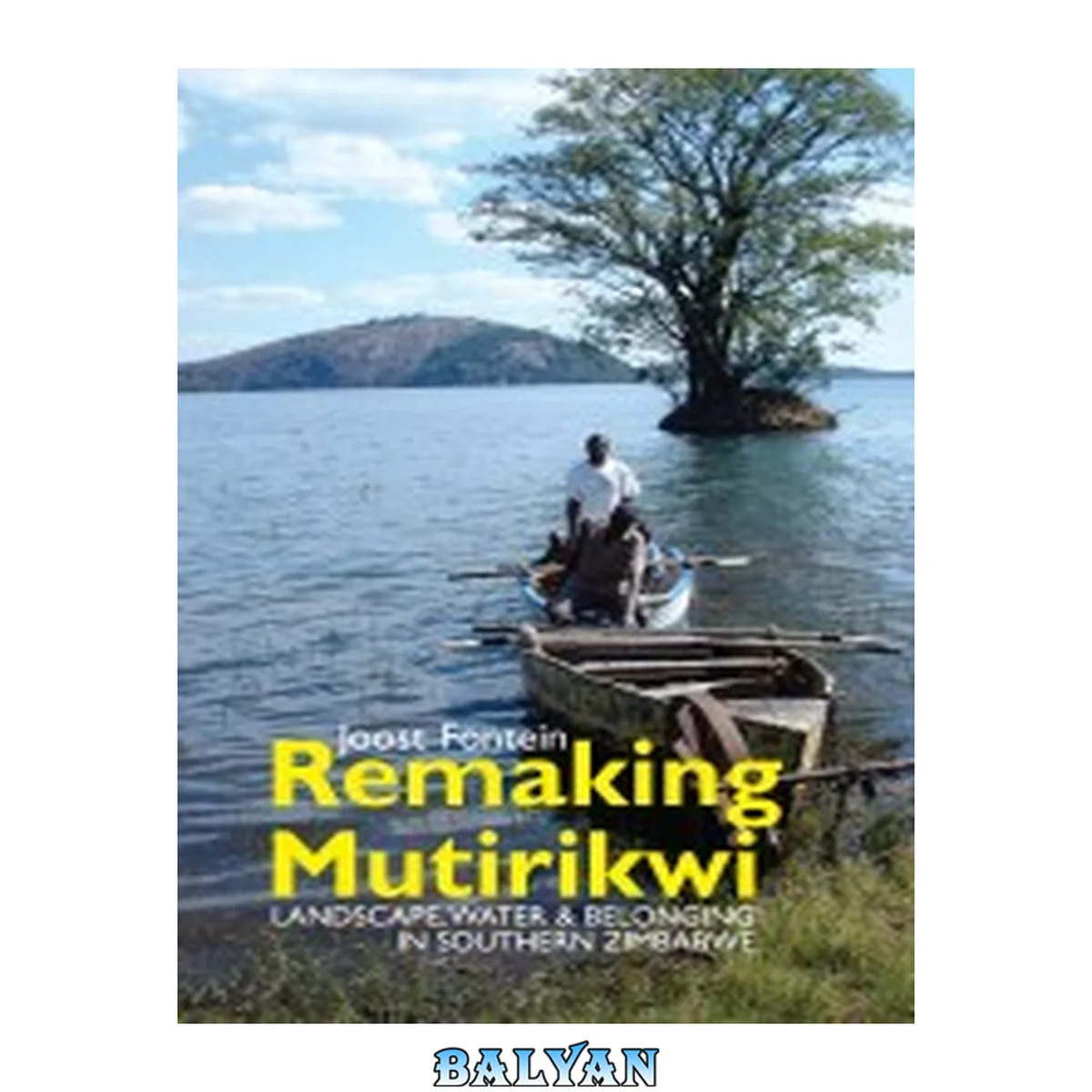
معرفی کتاب «Remaking Mutirikwi: Landscape, Water and Belonging in Southern Zimbabwe (Eastern Africa Series, 25)» نوشتهٔ Professor Joost Fontein، منتشرشده توسط نشر James Currey Publishers در سال 2015. این کتاب در فرمت pdf، زبان انگلیسی ارائه شده است.
Finalist for the African Studies Association 2016 Melville J. Herskovits Award A detailed ethnographic and historical study of the implications of fast-track land reform in Zimbabwe from the perspective of those involvedin land occupations around Lake Mutirikwi, from the colonial period to the present day. The Mutirikwi river was dammed in the early 1960s to make Zimbabwe's second largest lake. This was a key moment in the Europeanisation of Mutirikwi's landscapes, which had begun with colonial land appropriations in the 1890s. ButAfrican landscapes were not obliterated by the dam. They remained active and affective. At independence in 1980, local clans reasserted ancestral land claims in a wave of squatting around Lake Mutirikwi. They were soon evicted asthe new government asserted control over the remaking of Mutirikwi's landscapes. Amid fast-track land reform in the 2000s, the same people returned again to reclaim the land. Many returned to the graves and ruins of past lives forged in the very substance of the soil, and even incoming war veterans and new farmers appealed to autochthonous knowledge to make safe their resettlements. This book explores those reoccupations and the complex contests overlandscape, water and belonging they provoked. The 2000s may have heralded a long-delayed re-Africanisation of Lake Mutirikwi, but just as African presence had survived the dam, so white presence remains active and affective through Rhodesian-era discourses, place-names and the materialities of ruined farms, contour ridging and old irrigation schemes. Through lenses focused on the political materialities of water and land, this book reveals how the remaking of Mutirikwi's landscapes has always been deeply entangled with changing strategies of colonial and postcolonial statecraft. It highlights how the traces of different pasts intertwine in contemporary politics through the active, enduring yet emergent, forms and substances of landscape. Joost Fontein is Director of the British Institute in Eastern Africa and Lecturer in Social Anthropology at the University of Edinburgh. Published in association with the British Institute in Eastern Africa. Frontcover Contents Illustrations Acknowledgements Note on fieldwork, notes & sources Glossary Acronyms & Abbreviations Chronology Remaking Mutirikwi: An Introduction Setting the scene: a visit ‘Kubata maoko’ Landscape, memory and the immanence of the past Beyond the biography of a dam Difference, time and landscape Optimism, rain and land reform Book structure PART ONE : Remaking Mutirikwi in the 2000s 1 New Farmers, Old Claims Optimism, enthusiasm and hard work New yet autochthonous farmers Diverse aspirations, state-making and land reform Developmental aspirations and limitations Factionalism, patronage and chiefs The politics of researching Zimbabwean land reform 2 Graves, Ruins & Belonging The Boroma hills The burial of Chief Murinye The ghost of George Sheppard Landscapes of belonging Graves and ruins, materiality and affect Ontology and difference Co-existence and proximity 3 Rain, Power and Sovereignty Censoring the weather forecast Rain making in Zimbabwe The political properties of water Mvura yakatsamwa, ivhu rakatsamwa nokuti madzishe haasi kuwirirana Ambivalent njuzu National biras A visit to Matonjeni? Mediums and the state Water and the materiality of signs 4 Hippos, Fishing and Irrigation National Parks, poaching and the Kyle Game Reserve Fishing Mutirikwi Sovereign hippos Irrigation Entangled multiplicities 5 Genealogical Geographies Guva raGundiro and Duma genealogical geographies Karanga expansion and Duma settlement in Masvingo in the 19th century Cadastral politics and the (re)making of the reserves A history of graves, ruins, hills and rivers Landscape, memory and genealogical geographies The books of the masabhuku were always there PART TWO: Damming Mutirikwi 1940s–1990s 6 New White Futures, New Rhodesian Settlers and Large-scale Irrigation, 1940s–1950s The Umshandige and Popotekwe schemes of the 1930s Food shortages, industrial development and large-scale irrigation planning in the 1940s and 1950s New settlers: Hollanders, Natal sugar planters, Italians, Mauritians and former servicemen Native irrigation and growing tensions between Southern Rhodesia and the Federation 7 Remaking Fort Victoria’s Landscapes, 1950s–1960s Imagining, perceiving, (re)making landscape and the political materialities of becoming Mapping Mutirikwi Popotekwe, Kyle or Bangala? Contesting Kyle’s water Building Rhodesia’s playground The aesthetic conscience of the nation African removals and new Rhodesian pasts 8 War and Danger in the Wake of the Dam, 1970s After the dam The Native Land Husbandry Act’s demise and the growth of nationalism From ‘political unrest’ to ‘terrorist war’ Landscapes of war and danger Struggles within the struggle Rhodesian traditionalism, cultural nationalism and the return of the chiefs Chiefs and mediums after the war 9 Promising Returns & Frustrated Futures in the Wake of War, 1980s–1990s Sophia Muchini and the Victoria East farm killings ‘Chimuka is dead’ Land thirst and squatting in the early 1980s The return of Chief Chikwanda Occupation, destruction and eviction south of Lake Mutirikwi Mzero farm ‘People who don’t know the land can’t look after it’ Promises and returns in the 2000s Epilogue: Remaking Mutirikwi in the late 2000s & early 2010s Remaking Mutirikwi after 2006 Landscapes of terror MOU, GPA and GNU: ZANU PF regroups A new Chief Murinye and a new acting Chief Mugabe Land grabs, indigenisation and tourist revival around Mutirikwi? After July 2013 Bibliography Index "The Mutirikwi river was dammed in the early 1960s to make Zimbabwe's second largest lake. This was a key moment in the Europeanisation of Mutirikwi's landscapes, which had begun with colonial land appropriations in the 1890s. But African landscapes were not obliterated by the dam. They remained active and affective. At independence in 1980, local clans reasserted ancestral land claims in a wave of squatting around Lake Mutirikwi. They were soon evicted as the new government asserted control over the remaking of Mutirikwi's landscapes. Amid fast-track land reform in the 2000s, the same people returned again to reclaim the land. Many returned to the graves and ruins of past lives forged in the very substance of the soil, and even incoming war veterans and new farmers appealed to autochthonous knowledge to make safe their resettlements. This book explores those reoccupations and the complex contests over landscape, water and belonging they provoked. The 2000s may have heralded a long-delayed re-Africanisation of Lake Mutirikwi, but just as African presence had survived the dam, so white presence remains active and affective through Rhodesian-era discourses, place-names and the materialities of ruined farms, contour ridging and old irrigation schemes. Through lenses focused on the political materialities of water and land, this book reveals how the remaking of Mutirikwi's landscapes has always been deeply entangled with changing strategies of colonial and postcolonial statecraft. It highlights how the traces of different pasts intertwine in contemporary politics through the active, enduring yet emergent, forms and substances of landscape. Joost Fontein is Director of the British Institute in Eastern Africa and Lecturer in Social Anthropology at the University of Edinburgh. Published in association with the British Institute in Eastern Africa."
دانلود کتاب Remaking Mutirikwi: Landscape, Water and Belonging in Southern Zimbabwe (Eastern Africa Series, 25)