بازپسگیری زیمبابوه: خستگی مدل پدرسالارانه آزادی
Reclaiming Zimbabwe : the exhaustion of the patriarchal model of liberation
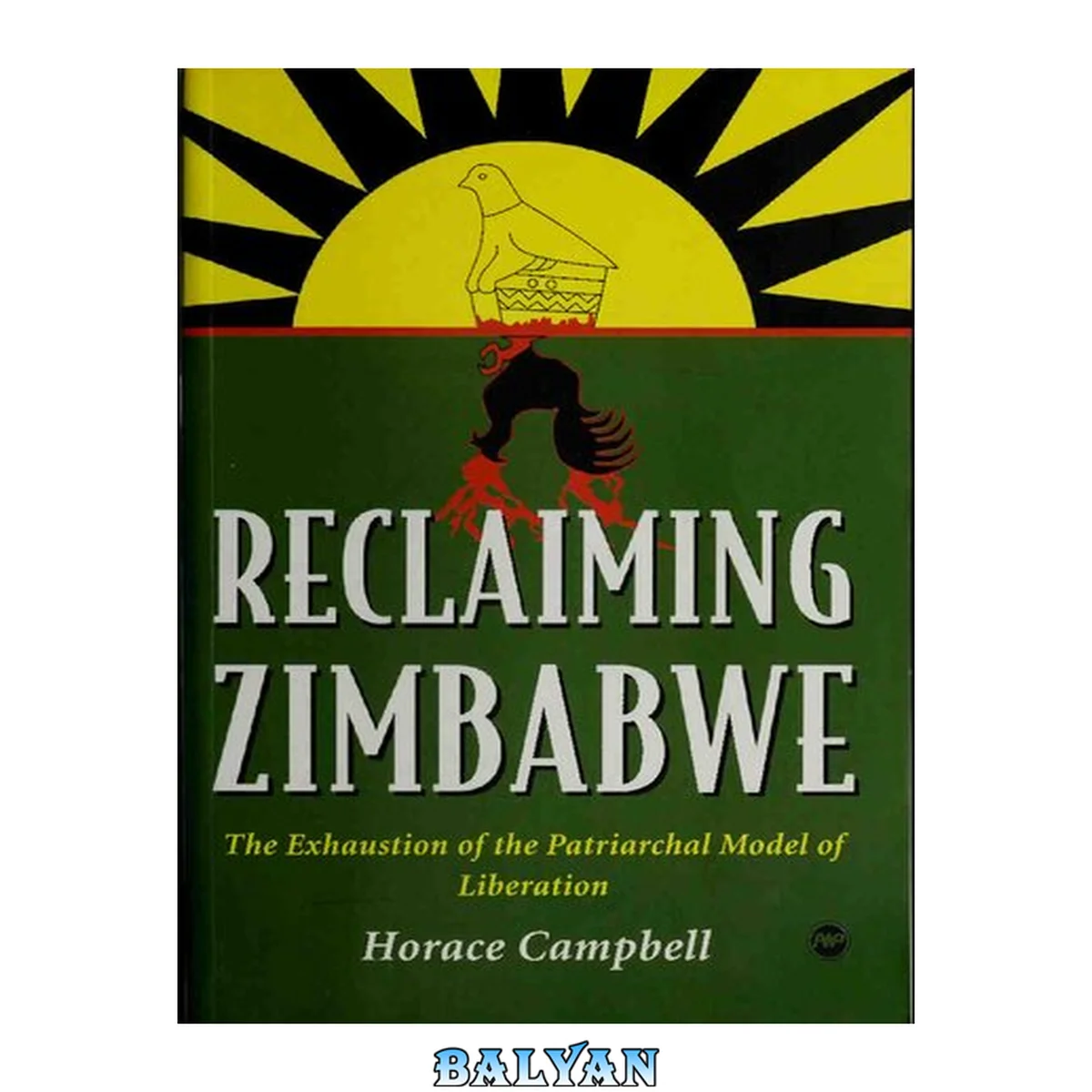
معرفی کتاب «بازپسگیری زیمبابوه: خستگی مدل پدرسالارانه آزادی» (با عنوان لاتین Reclaiming Zimbabwe : the exhaustion of the patriarchal model of liberation) نوشتهٔ Horace Campbell، منتشرشده توسط نشر Africa World Press در سال 2003. این کتاب در فرمت pdf، زبان انگلیسی ارائه شده است.
What really went wrong in Zimbabwe? The promise of liberation, human rights, democracy, development, and prosperity have been shattered by greed, state-sponsored violence, and tyranny. Yet the discourse on Zimbabwe has been polarized along racial and political lines. There is need for a critical analysis of Zimbabwe beyond these polarizations.Horace Campbell looks at Zimbabwe's problems today, including the recent state and ruling party violence against citizens as manifestations of and deriving directly from the masochist, militaristic, and gender-biased conception of liberation which is deeply imbedded in the post-independent state. In his exploration and analysis of Zimbabwe's experiences, from the transition to independence, to the crisis ravaging the country today, Campbell places issues like Zimbabwe's involvement in the Congo, executive lawlessness, the land crisis, homophobia, and the politics of intolerance into perspective. Chapters like "Soldiers in Business," "The Siege of Ikeka," and "The Limits of Military Intervention" provide fresh information on some of the motives behind the military intervention in the Democratic Republic of Congo and the futility of the presence of the Zimbabwean army in the Congo.Campbell also argues that the politics of emancipation, militarism, and patriarchy are exhausted models of liberation and suggests new models of liberation for economic prosperity, human rights, political tolerance, non-discrimination, peace, and stability. While this book is a serious and critical analysis of the Zimbabwean situation, it is also a very informative and general read. What really went wrong in Zimbabwe? The promise of liberation, human rights, democracy, development, and prosperity have been shattered by greed, state-sponsored violence, and tyranny. Yet the discourse on Zimbabwe has been polarized along racial and political lines. There is need for a critical analysis of Zimbabwe beyond these polarizations. Horace Campbell looks at Zimbabwes problems today, including the recent state and ruling party violence against citizens as manifestations of and deriving directly from the masochist, militaristic, and gender-biased conception of liberation which is deeply imbedded in the post-independent state. In his exploration and analysis of Zimbabwes experiences, from the transition to independence, to the crisis ravaging the country today, Campbell places issues like Zimbabwes involvement in the Congo, executive lawlessness, the land crisis, homophobia, and the politics of intolerance into perspective. Chapters like "Soldiers in Business," "The Siege of Ikeka," and "The Limits of Military Intervention" provide fresh information on some of the motives behind the military intervention in the Democratic Republic of Congo and the futility of the presence of the Zimbabwean army in the Congo. Campbell also argues that the politics of emancipation, militarism, and patriarchy are exhausted models of liberation and suggests new models of liberation for economic prosperity, human rights, political tolerance, non-discrimination, peace, and stability. While this book is a serious and critical analysis of the Zimbabwean situation, it is also a very informative and general read. Zimbabwe's promise of liberation, democracy, majority rule and renewal has been shattered by executive lawlessness, state-sponsored violence and the military intervention in the DRC. Despite the wretched conditions of millions of Zimbabweans, with thousands dying from the HIV-Aids pandemic, Zimbabwe's rulers have been preoccupied with enriching themselves. This book provides a critical analysis of Zimbabwe beyond the old conceptions of politics. Horace Campbell looks at Zimbabwe's problems today, including the recent state and ruling party violence against citizens, as manifestations of the patriarchal model of liberation. In his exploration and analysis of Zimbabwe's experiences, from the transition to independence, to the crisis ravaging the country today, Campbell reflects on the ideas and practices of the Rhodesian state to demonstrate how the liberation leaders integrated themselves into the old state machinery. Campbell argues that the politics of masculinity and patriarchy are exhausted models of liberation and suggests new models of emancipation based on truth, reconstruction and a break with Eurocentric conceptions of peace, democracy and development. Annotation "What really went wrong in Zimbabwe? The promise of liberation, human rights, democracy, development, and prosperity have been shattered by greed, state-sponsored violence, and tyranny. Yet the discourse on Zimbabwe has been polarized along racial and poli"
دانلود کتاب بازپسگیری زیمبابوه: خستگی مدل پدرسالارانه آزادی