Psychodynamic Treatment of Depression, 2nd ed
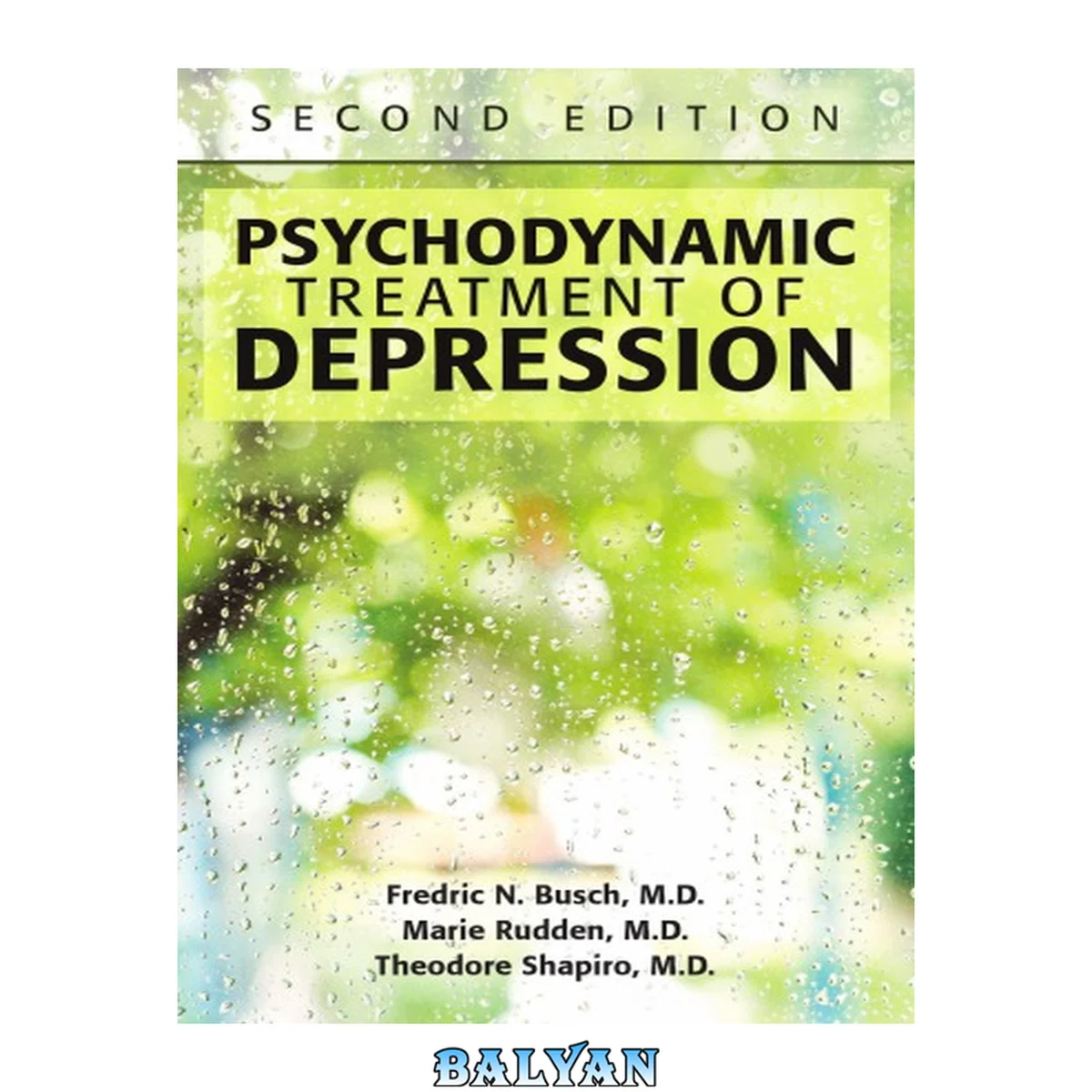
معرفی کتاب «Psychodynamic Treatment of Depression, 2nd ed» نوشتهٔ Paul Stamets، with a foreword by Andrew Weil و Fredric N. Busch; Marie Rudden; Theodore Shapiro، منتشرشده توسط نشر American Psychiatric Association Publishing در سال 2016. این کتاب در فرمت pdf، زبان انگلیسی ارائه شده است.
Psychodynamic Treatment of Depression addresses the use of psychodynamic psychotherapy, both alone and in combination with cognitive-behavioral, interpersonal, and medication treatments, as a method for reducing the psychological vulnerabilities that may predispose patients to persistent symptoms or recurrence of depression. Thoroughly revised and with new material, the second edition reflects changes codified in the DSM-5 classification and is intended for use by students, residents, or clinicians who are trained in the practice of psychotherapy. The authors' extensive clinical experience is thoroughly mined to provide techniques for tailoring the psychodynamic psychotherapeutic approach to patients with depression, and important topics such as narcissistic injury and vulnerability, guilt, defense mechanisms, and suicidality are addressed. The book is written in an accessible style and structured logically to support the acquisition and enhancement of psychotherapeutic skills through the systematic exploration of the psychodynamic model of depression.
The volume's noteworthy content and features are many: Just as patients' responses to medications vary, responses to particular therapeutic interventions are different in different patients. Accordingly, the authors locate psychodynamic psychotherapy within the context of current treatments for depression, including indications and contraindications. A multitude of detailed and compelling clinical vignettes clearly illustrate the dynamics and techniques and facilitate learning across diverse clinical roles and practice settings. A chapter on psychodynamic approaches to depression with comorbid personality disorder has been added to the new edition, because these disorders have been found to have an adverse effect on treatment outcome, including diminished response to antidepressants, reduced adherence to treatment, and longer time period to achieve remission.
There is a growing evidence base for the effectiveness of psychodynamic psychotherapy, both alone and in tandem with other treatment modalities. Psychodynamic Treatment of Depression offers a robust model of psychodynamic therapy for depression and the detailed strategies and techniques clinicians need to improve outcomes with this significant patient group.
Offers a psychotherapeutic approach to the dynamics observed in patients with depression that can sharpen clinicians' skills in treating this disorder. Intended for use by students, residents, or clinicians who are trained in the practice of psychotherapy and in the diagnosis of depression, the book describes how to tailor the psychodynamic psychotherapeutic approach to the treatment of patients with depression. The authors use many vivid clinical case vignettes based on their clinical work to illustrate common dynamic constellations and techniques for engaging patients in depression-focused psychodynamic psychotherapy. Because a major disparity exists between the widespread use of psychodynamic psychotherapy in clinical practice and the few systematic studies of this treatment, the authors recommend using this approach mainly in patients with mild or moderate major depression and dysthymic disorder. This book addresses the use of psychodynamic psychotherapy, both alone and in combination with cognitive-behavioral, interpersonal, and medication treatments, as a method for reducing the psychological vulnerabilities that may predispose patients to persistent symptoms or recurrence of depression.