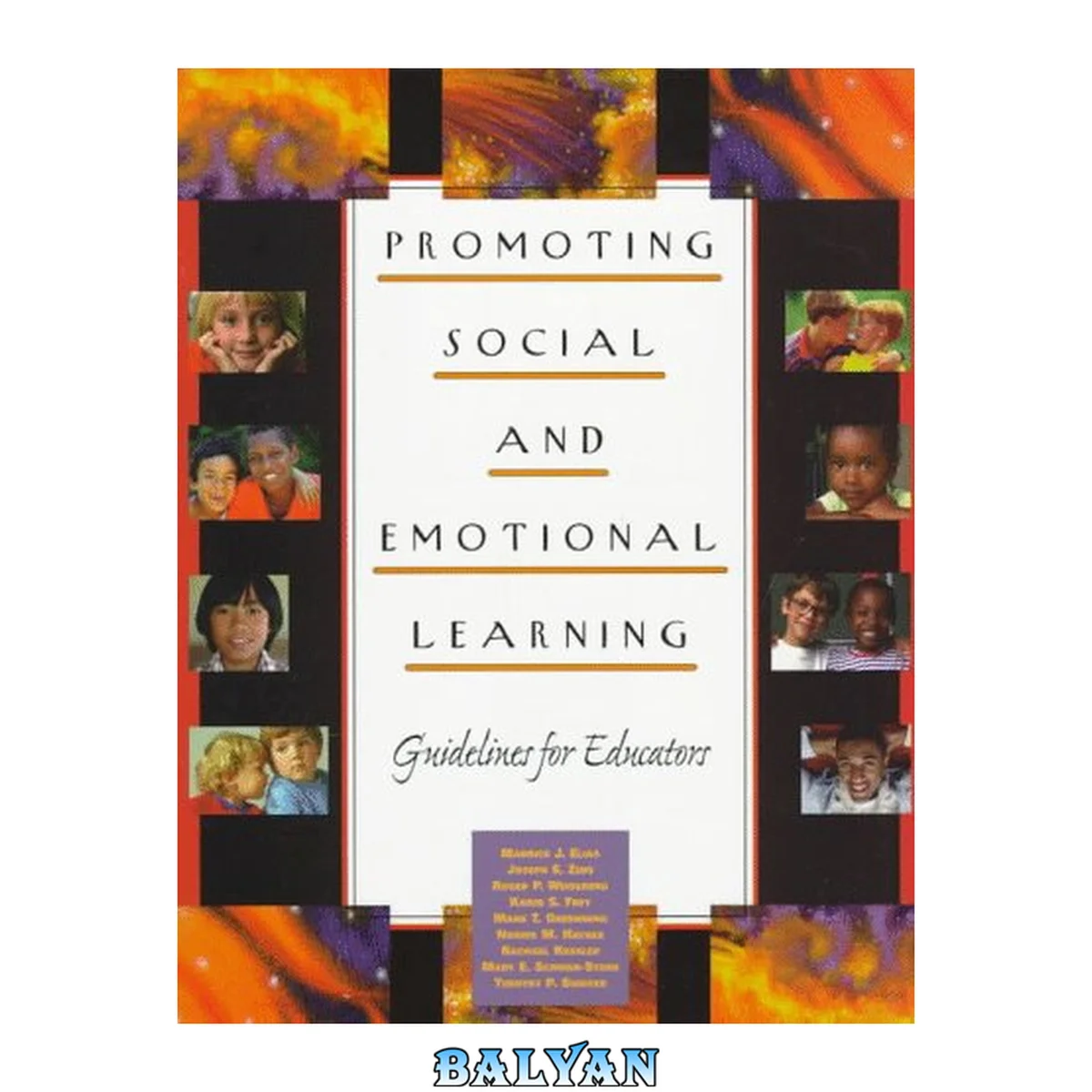
Promoting Social and Emotional Learning : Guidelines for Educators
معرفی کتاب «Promoting Social and Emotional Learning : Guidelines for Educators» نوشتهٔ Maurice J Elias; NetLibrary, Inc.; et al، منتشرشده توسط نشر Association for Supervision and Curriculum Development در سال 1250. این کتاب در فرمت pdf، زبان انگلیسی ارائه شده است.
پرورش یادگیری اجتماعی و عاطفی (Social and Emotional Learning) یکی از بنیادیترین نیازهای نظام آموزشی مدرن است و کتاب «Promoting Social and Emotional Learning: Guidelines for Educators» نوشتهٔ موریس جی. الیاس و همکاران، راهنمایی جامع و عملی برای تحقق این هدف در مدارس ارائه میدهد. این اثر که توسط انجمن نظارت و تدوین برنامهٔ درسی (ASCD) منتشر شده، با تکیه بر جدیدترین یافتههای علمی و تجارب گستردهٔ مؤلفان، چارچوبی منسجم برای پرورش دانشآموزانی آگاه، مسئول و بامحبت ترسیم میکند.
دربارهٔ کتاب —
کتاب «Promoting Social and Emotional Learning: Guidelines for Educators» پاسخی مستقیم به چالشهای فراوانی است که دانشآموزان در عصر جدید با آن روبرو هستند. مؤلفان معتقدند که موفقیت تحصیلی واقعی و تأثیرگذاری اجتماعی پایدار، بدون برخورداری از مهارتهای اجتماعی و عاطفی قوی امکانپذیر نیست. این کتاب با ارائهٔ ۳۹ رهنمودِ موجز و کاربردی، به مربیان نشان میدهد که چگونه میتوانند برنامههای آموزشیِ جامع و هماهنگی را برای تقویت رشد عاطفی و اجتماعی دانشآموزان از دورهٔ پیشدبستانی تا دبیرستان طراحی، اجرا و ارزیابی کنند. رویکرد کتاب، فراتر از بحثهای نظری، با ارائهٔ مثالهای الهامبخش از کلاسها و مدارس مختلف، راهکارهایی عینی برای معلمان، مدیران و مناطق آموزشی فراهم میآورد تا بتوانند بهتدریج و بهطور مؤثر، فرهنگ مدرسه را به سمت یادگیری اجتماعی-عاطفی سوق دهند. نویسندگان با بهرهگیری از مطالعات علمی روز، نظریههای برتر و بازدید از مدارس سراسر کشور، رویکردی گامبهگام برای ایجاد و تداوم این برنامهها ارائه دادهاند. این کتاب که حاصل همکاری گروهی از متخصصان برجسته در حوزهٔ یادگیری اجتماعی-عاطفی است، بهعنوان یک منبع راهنما، به مربیان کمک میکند تا بر موانع موجود غلبه کرده و محیطی حمایتگر برای شکوفایی همهجانبهٔ دانشآموزان فراهم آورند. ضمائم کتاب شامل برنامهٔ درسیِ پیشنهادی برای گروههای سنی مختلف و فهرست گستردهای از منابع و مخاطبان برای آشنایی بیشتر با برنامههای موفق است که ارزش کاربردی آن را دوچندان میکند.
چرا باید «Promoting Social and Emotional Learning» را بخوانید؟
مطالعهٔ این کتاب برای هر معلم، مشاور و مدیر مدرسهای که به دنبال رویکردی علمی و عملی برای ارتقای سلامت روان و موفقیت تحصیلی دانشآموزان است، سودمند خواهد بود. در ادامه به برخی از مهمترین دستاوردهای خواندن این اثر اشاره میشود:
کسب دانش بنیادین دربارهٔ یادگیری اجتماعی-عاطفی: با مفاهیم کلیدی، پژوهشهای پشتیبان و اهمیت حیاتی مهارتهای اجتماعی و عاطفی در موفقیت دانشآموزان آشنا میشوید.
ارزیابی و بهبود عملکرد فعلی: این کتاب به شما کمک میکند تا رویکردهای جاری خود را بازبینی کرده و نقاط قوت و ضعف برنامههای مدرسه را برای پرورش این مهارتها شناسایی کنید.
دریافت راهنمایی گامبهگام و عملی: با ۳۹ رهنمودِ مشخص و مثالهای عینی از مدارس، ابزارهای لازم برای طراحی و اجرای یک برنامهٔ موفق را در اختیار خواهید داشت.
افزایش کارایی و کاهش مشکلات رفتاری: با پیادهسازی رویکردهای مطرحشده، نه تنها به افزایش موفقیت تحصیلی کمک میکنید، بلکه شاهد کاهش چشمگیر رفتارهای مسئلهدار در محیط مدرسه خواهید بود.
ارتقای کیفیت روابط در مدرسه: ایجاد یک محیط آموزشی حمایتگر که بر یادگیری اجتماعی-عاطفی متمرکز است، به بهبود کیفیت روابط بین دانشآموزان و کارکنان مدرسه منجر میشود.
این کتاب برای چه کسانی مناسب است؟
این کتاب بهعنوان یک منبع راهنما و کاربردی، مخاطبانی گسترده در نظام آموزشی دارد. معلمان تمام پایههای تحصیلی، مشاوران مدرسه، روانشناسان تربیتی و مدیران مدارس، گروه اصلی خوانندگان این کتاب را تشکیل میدهند. همچنین، دستاندرکاران برنامهریزی درسی، مسئولان مناطق آموزشی و حتی اولیایی که بهدنبال درک عمیقتری از نیازهای عاطفی و اجتماعی فرزندان خود در محیط مدرسه هستند، میتوانند از محتوای غنی و مثالهای کاربردی آن بهرهمند شوند. کتاب برای هر کسی که دغدغهٔ تربیت نسلی مسئول، اهل همکاری و از نظر عاطفی توانمند را دارد، منبعی ارزشمند و راهگشا محسوب میشود.
سوالات متداول
مهارتهای اجتماعی و عاطفی (SEL) شامل چه مواردی میشوند و چرا در مدارس اهمیت دارند؟
مهارتهای اجتماعی-عاطفی مجموعهای از تواناییها هستند که به فرد امکان میدهند هیجانات خود را درک و مدیریت کند، همدلی نشان دهد، روابط مثبت ایجاد کرده و حفظ کند و مسئولانه تصمیمگیری کند. این مهارتها برای موفقیت در مدرسه، محیط کار و زندگی ضروری هستند و باعث افزایش عملکرد تحصیلی و کاهش مشکلات رفتاری میشوند.
چگونه میتوان از دستورالعملهای کتاب برای بهبود فضای مدرسه استفاده کرد؟
کتاب با ارائهٔ ۳۹ رهنمودِ عملی، فرایندی گامبهگام برای ارزیابی وضعیت موجود، طراحی برنامههای متناسب با نیازهای مدرسه، و اجرا و ارزیابی مستمر آنها ارائه میدهد. با بهکارگیری مثالهای عینی و راهکارهای مطرحشده در کتاب، میتوان محیطی حمایتگر ایجاد کرد که در آن به نیازهای عاطفی و اجتماعی دانشآموزان بهطور نظاممند پاسخ داده شود.
آیا محتوای کتاب صرفاً جنبهٔ نظری دارد یا شامل مثالهای عملی نیز میشود؟
این کتاب با تکیه بر تجربیات مؤلفان و بازدید از مدارس سراسر کشور، سرشار از مثالهای عینی و عملی است که برای کاربرد در کلاس، مدرسه و مناطق آموزشی طراحی شدهاند. هدف کتاب، پر کردن شکاف میان تئوری و عمل و ارائهٔ راهکارهای قابلاجرا برای مربیان است.
Fostering knowledgeable, responsible, and caring students is one of the most urgent challenges facing schools, families, and communities as we enter the 21st century. Promoting Social and Emotional Learning provides sound principles for meeting this challenge. This timely book addresses a crucial need among educators for a straightforward, practical guide to establishing high-quality social and emotional education programs. True academic success and lasting social effectiveness, the authors believe, require strong social and emotional skills. Students today face unparalleled demands. In addition to achieving academically, they must learn to work cooperatively, make responsible decisions about social and health practices, resist negative peer and media influences, contribute constructively to their family and community, function in an increasingly diverse society, and acquire the skills, attitudes, and values necessary to become productive workers and citizens. A comprehensive, integrated program of social and emotional education can help students meet these many demands. The authors draw upon the most recent scientific studies, the best theories, site visits carried out around the country, and their own extensive experiences to describe approaches to social and emotional learning for all levels. Framing the discussion are 39 concise guidelines, as well as many field inspired examples for classrooms, schools, and districts. Chapters address how to develop, implement, and evaluate effective strategies. Educators who have programs in place will find ways to strengthen them. Those seeking greater direction will find an abundance of approaches and ideas. Appendixes include a curriculum scope for preschool through grade 12 and an extensive list of contacts that readers may follow up for firsthand knowledge about effective social and emotional learning programs. The authors of Promoting Social and Emotional Learning: Guidelines for Educators are members of the Work Group of the Collaborative for the Advancement of Social and Emotional Learning (CASEL) Educators today have a renewed perspective: when schools attend systematically to students' social and emotional skills, the academic achievement of children increases, the incidence of problem behaviors decreases, the quality of the relationships surrounding each child improves. The challenge of raising knowledgeable, responsible, and caring children can be enhanced by thoughtful, sustained, and systematic attention to children's social and emotional learning (SEL). The purpose of this book is to address the crucial need among educators for a straightforward and practical guide to establishing, implementing and evaluating comprehensive, coordinated programming to enhance the social and emotional development of children from preschool through high school. Framing the discussion are 39 concise guidelines, as well as many field-inspired examples for classrooms, schools, and school districts. Chapter 1 addresses the "Need for Social and Emotional Learning." Chapter 2 addresses "Reflecting on Your Current Practices." Chapter 3, "How Does Social and Emotional Education Fit in Schools?", provides a more indepth examination of what social and emotional education is. Chapter 4, "Developing Social and Emotional Skills in Classrooms," explains how teachers can help students develop social and emotional skills in their individual classrooms. Chapter 5, "Creating the Context for Social and Emotional Learning," examines issues related to creating an organizational climate supportive of social and emotional educational programs. Chapter 6, "Introducing and Sustaining Social and Emotional Education," discusses practical issues involved in starting and continuing a program. Chapter 7, "Evaluating the Success of Social and Emotional Learning," outlines ways to evaluate social and emotional education efforts to determine whether specific goals are being achieved. Chapter 8, "Moving Forward: Assessing Strengths, Priorities, and Next Steps," revisits the self-reflection process. Three appendices offer a curriculum scope for different age groups, guidelines for social and emotional education, and program description, contacts, and site visit information. (SD) Fostering knowledgeable, responsible, and caring students is one of the most urgent challenges facing schools, families, and communities. Promoting Social and Emotional Learning provides sound principles for meeting this challenge. Students today face unparalleled demands. In addition to achieving academically, they must learn to work cooperatively, make responsible decisions about social and health practices, resist negative peer and media influences, contribute constructively to their family and community, function in an increasingly diverse society, and acquire the skills, attitudes, and values necessary to become productive workers and citizens. A comprehensive, integrated program of social and emotional education can help students meet these many demands. The authors draw upon scientific studies, theories, site visits, and their own extensive experiences to describe approaches to social and emotional learning at all levels. Framing the discussion are 39 concise guidelines, as well as many field-inspired examples for classrooms, schools, and districts. Chapters address how to develop, implement, and evaluate effective strategies. Educators who have programs in place will find ways to strengthen them. Those seeking further direction will find an abundance of approaches and ideas. Appendixes include a curriculum scope for preschool through grade 12 and an extensive list of contacts that readers may follow up on for firsthand knowledge about effective social and emotional programs. The authors of Promoting Social and Emotional Learning are members of the Research and Guidelines Work Group of the Collaborative for the Advancement of Social and Emotional Learning (CASEL). Acknowledgments......Page 6 Preface......Page 8 The Need for Social and Emotional Learning......Page 12 Reflecting on Your Current Practices......Page 26 How Does Social and Emotional Education Fit in Schools?......Page 30 Developing Social and Emotional Skills in Classrooms......Page 54 Creating the Context for Social and Emotional Learning......Page 86 Introducing and Sustaining Social and Emotional Education......Page 102 Evaluating the Success of Social and Emotional Learning......Page 114 Moving Forward: Assessing Strengths, Priorities, and Next Steps......Page 128 Epilogue......Page 136