Progress without people : new technology, unemployment, and the message of resistance
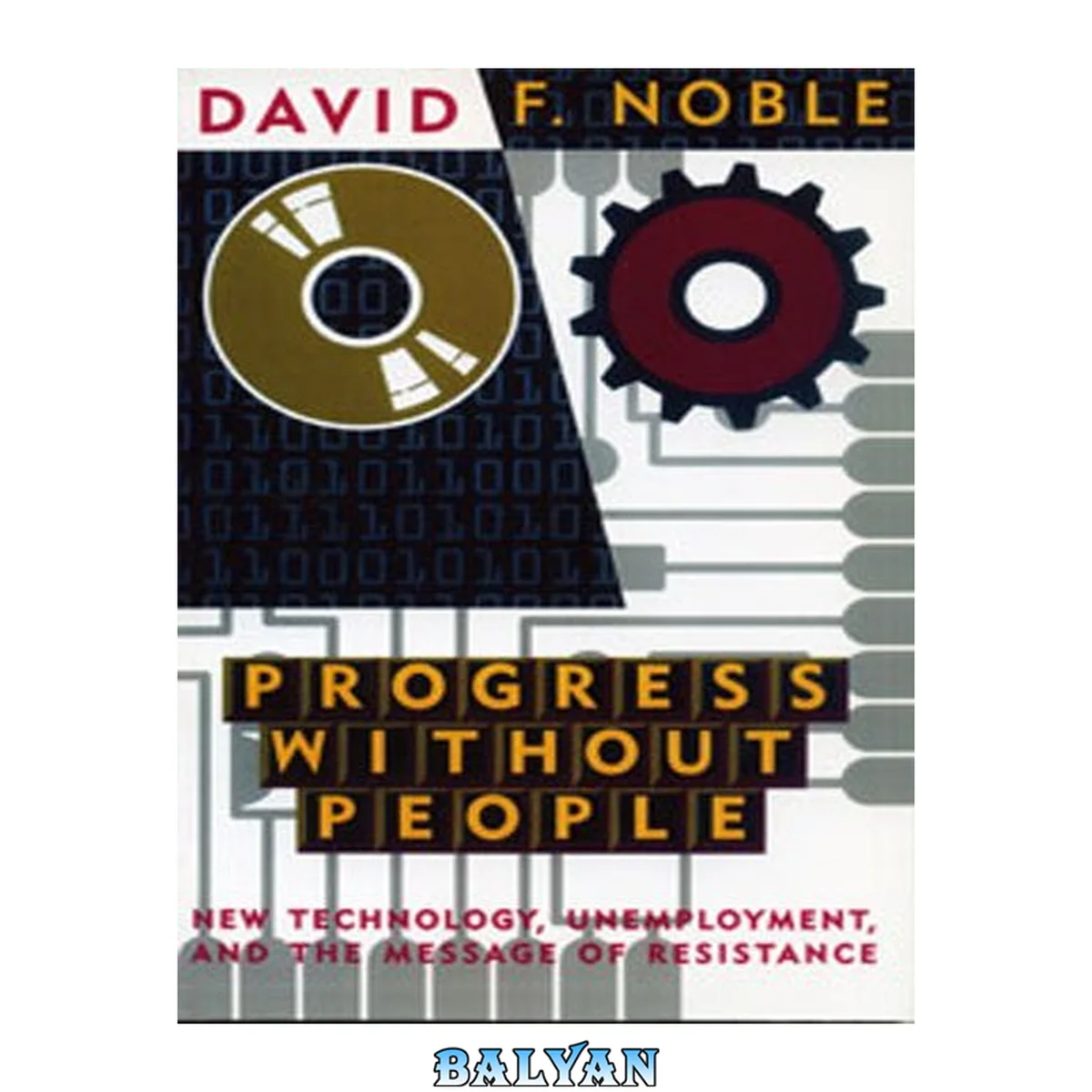
معرفی کتاب «Progress without people : new technology, unemployment, and the message of resistance» نوشتهٔ Marie Tierney و David Franklin Noble, David Franklin Noble، منتشرشده توسط نشر Between the Lines در سال 1995. این کتاب در فرمت pdf، زبان انگلیسی ارائه شده است.
A provocative discussion of the role of technology and its accompanying rhetoric of limitless progress in the concomitant rise of joblessness and unemployment. "There is agreaqt deal of justifiable concern about global unemployment and the 'jobless economy' of the future, with growing inequality and marginalization of much of the population, even in the wealthier countries. The Tendencies are commonly attributed to inexorable market forces and the like. "David Noble's outstanding work shows the shallowness of these analyses. He shows how particular modes of deskilling and marginalizing the workforce have been specifically designed through the state sector in co-operation of unaccountable private power that seek their mastery over the global economy and society. Progress Without People is a masterful and lucid portrayal of what is happening in the real world of state-corporate power, and what it means for the people of the world."--Noam Chomsky "The Age which first automated factories and the age which automates them are alike. We know that the job killing of the late 18th and 19th centuries hurt both the cottage workers, their communities and a system of production that extended far beyond people like hand-loom weavers. We know workers defended themselves by direct attacks on the new looms and machines intended for factory use. These movements came to be known as Luddism. "It is the subject area that David Noble goes to immediately to provide a detailed analysis of the effects of automation in its mechanized and computerized forms. He knows how history has been distorted so that the term 'Luddite' can be used to target any who try to save their jobs and control conditions of life in industrial, office, retail or service jobs."--Eric Hobsbawm CONTENTS 8 Preface 10 Introduction 12 PART 1: ANOTHER LOOK AT PROGRESS 20 1. In Defense of Luddism 22 2. The Machinery Question Revisited 43 3. Present-Tense Technology 59 PART 2: AUTOMATION MADNESS: OR, THE UNAUTOMATIC HISTORY OF AUTOMATION 88 4. Automatic Technological Progress 90 5. A Second Look at Social Progress 120 6. The Hearings on Industrial Policy: A Statement 134 7. The Religion of Technology: The Myth of a Masculine Millennium 146 APPENDICES 162 Appendix I: Nineteenth-Century Consultant to Industry Saw Automation as Weaponry 164 Appendix II: Karl Marx Against the Luddites 165 Appendix III: A Technology Bill of Rights from the International Association of Machinists 166 Appendix IV: "Starvin' in Paradise" with the New Technology 169 Appendix V: Lord Byron Speaks Against a Bill to Introduce the Death Penalty for Machine-Breaking 173 Appendix VI: An Exchange between Norbert Wiener, Father of Cybernetics, and Walter Reuther, UAW President 180 A Note on the Author 184 Pt. 1. Another Look At Progress -- In Defence Of Luddism -- The Machinery Question Revisited -- Present-tense Technology -- Pt. 2. Automation Madness: Or, The Unautomatic History Of Automation -- Automatic Technological Progress -- A Second Look At Social Progress -- The Hearings On Industrial Policy -- The Religion Of Technology: The Myth Of A Masculine Millennium -- Appendices -- Nineteenth Century Consultant To Industry Saw Automation As Weaponry -- Karl Marx Against The Luddites -- A Technology Bill Of Rights From The International Association Of Machinists. David F. Noble. Includes Bibliographical References.
دانلود کتاب Progress without people : new technology, unemployment, and the message of resistance