Prisoners of Politics : Breaking the Cycle of Mass Incarceration
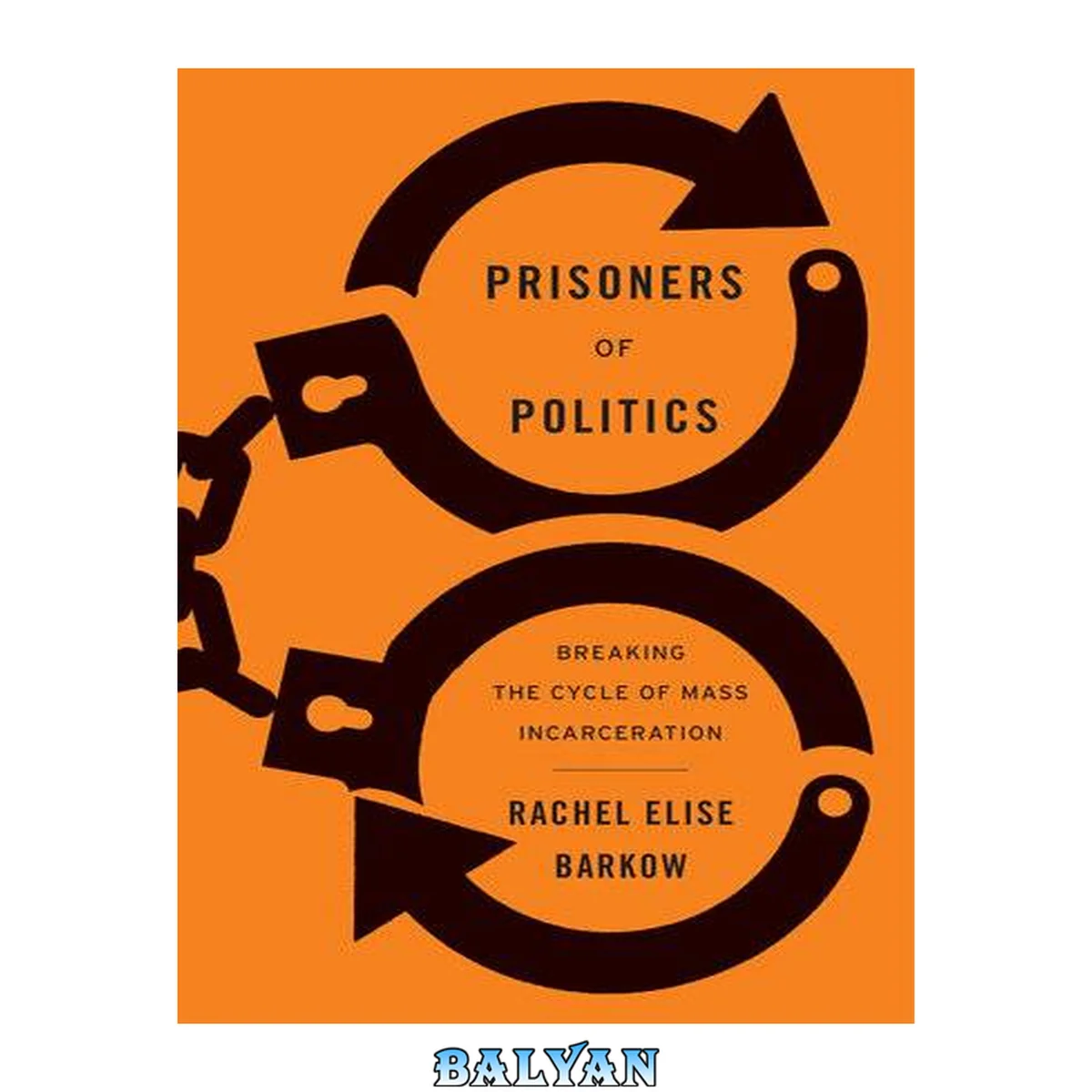
معرفی کتاب «Prisoners of Politics : Breaking the Cycle of Mass Incarceration» نوشتهٔ RACHEL ELISE. BARKOW، منتشرشده توسط نشر Belknap Press: An Imprint of Harvard University Press در سال 2019. این کتاب در فرمت epub، زبان انگلیسی ارائه شده است.
America’s criminal justice system reflects irrational fears stoked by politicians seeking to win election. Pointing to specific policies that are morally problematic and have failed to end the cycle of recidivism, Rachel Barkow argues that reform guided by evidence, not politics and emotions, will reduce crime and reverse mass incarceration. Americas criminal justice policy reflects irrational fears stoked by politicians seeking to win election. A preeminent legal scholar argues that reform guided by evidence, not politics and emotions, will reduce crime and reverse mass incarceration. The United States has the worlds highest rate of incarceration, a form of punishment that ruins lives and makes a return to prison more likely. As awful as that truth is for individuals and their families, its social consequencesrecycling offenders through an overwhelmed criminal justice system, ever-mounting costs, unequal treatment before the law, and a growing class of permanently criminalized citizensare even more devastating. With the authority of a prominent legal scholar and the practical insights gained through on-the-ground work on criminal justice reform, Rachel Barkow explains how dangerous it is to base criminal justice policy on the whims of the electorate, which puts judges, sheriffs, and politicians in office. Instead, she argues for an institutional shift toward data and expertise, following the model used to set food and workplace safety rules. Barkows prescriptions are rooted in a thorough and refreshingly ideology-free costbenefit analysis of how to cut mass incarceration while maintaining public safety. She points to specific policies that are deeply problematic on moral grounds and have failed to end the cycle of recidivism. Her concrete proposals draw on the best empirical information available to prevent crime and improve the reentry of former prisoners into society. Prisoners of Politics aims to free criminal justice policy from the political arena, where it has repeatedly fallen prey to irrational fears and personal interest, and demonstrates that a few simple changes could make us all safer. "If you care, as I do, about disrupting the perversepolitics of criminal justice, there is no better place to startthan Prisoners of Politics."-James Forman, Jr., author ofLocking Up Our Own The United States has theworld's highest rate of incarceration, a form of punishment thatruins lives and makes a return to prison more likely. As awful asthat truth is for individuals and their families, its socialconsequences-recycling offenders through an overwhelmed criminaljustice system, ever-mounting costs, unequal treatment before thelaw, and a growing class of permanently criminalized citizens-areeven more devastating. With the authority of a prominent legalscholar and the practical insights gained through on-the-groundwork on criminal justice reform, Rachel Barkowexplains how dangerous it is to base criminal justice policy on thewhims of the electorate, which puts judges, sheriffs, andpoliticians in office. Instead, she argues for an institutionalshift toward data and expertise, following the model used to setfood and workplace safety rules. Barkow's prescriptions are rootedin a thorough and refreshingly ideology-free cost-benefit analysisof how to cut mass incarceration while maintaining public safety.She points to specific policies that are deeply problematic onmoral grounds and have failed to end the cycle of recidivism. Herconcrete proposals draw on the best empirical information availableto prevent crime and improve the reentry of former prisoners intosociety. Prisoners of Politics aims to free criminaljustice policy from the political arena, where it has repeatedlyfallen prey to irrational fears and personal interest, anddemonstrates that a few simple changes could make us all safer “If you care, as I do, about disrupting the perverse politics of criminal justice, there is no better place to start than Prisoners of Politics.”—James Forman, Jr., author of Locking Up Our Own The United States has the world’s highest rate of incarceration, a form of punishment that ruins lives and makes a return to prison more likely. As awful as that truth is for individuals and their families, its social consequences—recycling offenders through an overwhelmed criminal justice system, ever-mounting costs, unequal treatment before the law, and a growing class of permanently criminalized citizens—are even more devastating. With the authority of a prominent legal scholar and the practical insights gained through on-the-ground work on criminal justice reform, Rachel Barkow explains how dangerous it is to base criminal justice policy on the whims of the electorate, which puts judges, sheriffs, and politicians in office. Instead, she argues for an institutional shift toward data and expertise, following the model used to set food and workplace safety rules. Barkow’s prescriptions are rooted in a thorough and refreshingly ideology-free cost–benefit analysis of how to cut mass incarceration while maintaining public safety. She points to specific policies that are deeply problematic on moral grounds and have failed to end the cycle of recidivism. Her concrete proposals draw on the best empirical information available to prevent crime and improve the reentry of former prisoners into society. Prisoners of Politics aims to free criminal justice policy from the political arena, where it has repeatedly fallen prey to irrational fears and personal interest, and demonstrates that a few simple changes could make us all safer. A CounterPunch Best Book of the Year A Lone Star Policy Institute Recommended Book "If you care, as I do, about disrupting the perverse politics of criminal justice, there is no better place to start than Prisoners of Politics ." —James Forman, Jr., author of Locking Up Our Own The United States has the highest rate of incarceration in the world. The social consequences of this fact—recycling people who commit crimes through an overwhelmed system and creating a growing class of permanently criminalized citizens—are devastating. A leading criminal justice reformer who has successfully rewritten sentencing guidelines, Rachel Barkow argues that we would be safer, and have fewer people in prison, if we relied more on expertise and evidence and worried less about being "tough on crime." A groundbreaking work that is transforming our national conversation on crime and punishment, Prisoners of Politics shows how problematic it is to base criminal justice policy on the whims of the electorate and argues for an overdue shift that could upend our prison problem and make America a more equitable society. "A critically important exploration of the political dynamics that have made us one of the most punitive societies in human history. A must-read by one of our most thoughtful scholars of crime and punishment." —Bryan Stevenson, author of Just Mercy "Barkow's analysis suggests that it is not enough to slash police budgets if we want to ensure lasting reform. We also need to find ways to insulate the process from political winds." —David Cole, New York Review of Books "A cogent and provocative argument about how to achieve true institutional reform and fix our broken system." —Emily Bazelon, author of Charged Présentation sur le site de l'éditeur : "The United States has the world's highest rate of incarceration, a form of punishment that ruins lives and makes a return to prison more likely. As awful as that truth is for individuals and their families, its social consequences--recycling offenders through an overwhelmed criminal justice system, ever-mounting costs, unequal treatment before the law, and a growing class of permanently criminalized citizens--are even more devastating. With the authority of a prominent legal scholar and the practical insights gained through on-the-ground work on criminal justice reform, Rachel Barkow explains how dangerous it is to base criminal justice policy on the whims of the electorate, which puts judges, sheriffs, and politicians in office. Instead, she argues for an institutional shift toward data and expertise, following the model used to set food and workplace safety rules.Barkow's prescriptions are rooted in a thorough and refreshingly ideology-free cost-benefit analysis of how to cut mass incarceration while maintaining public safety. She points to specific policies that are deeply problematic on moral grounds and have failed to end the cycle of recidivism. Her concrete proposals draw on the best empirical information available to prevent crime and improve the reentry of former prisoners into society.Prisoners of Politics aims to free criminal justice policy from the political arena, where it has repeatedly fallen prey to irrational fears and personal interest, and demonstrates that a few simple changes could make us all safer." “a History Of Philosophy In Twelve Thinkers...the Whole Performance Combines Polyglot Philological Rigor With Supple Intellectual Sympathy, And It Is All Presented...in A Spirit Of Fun.” —times Literary Supplement “if One Of Philosophy’s Crucial Tasks Is To Snap Us Out Of Complacency And Re-frame The Parameters Of Debate, Then There Is Always Scope For A Roll Call Of Practitioners Who Have Particularly Enjoyed Inspiring The ‘moment When The Gears Shift.’...geuss, Who Wears His Expansive Learning Lightly, Has Interesting Things To Say About Them All.” —catholic Herald “exceptionally Engaging...geuss Has A Remarkable Knack For Putting Even Familiar Thinkers In A New Light.” —notre Dame Philosophical Reviews Raymond Geuss Explores The Ideas Of Twelve Philosophers Who Broke Dramatically With Prevailing Wisdom, From Socrates And Plato In The Ancient World To Nietzsche, Wittgenstein, And Adorno. The Result Is A Striking Account Of Some Of The Most Innovative Thinkers In Western History And An Indirect Manifesto For How To Pursue Philosophy Today. Geuss Cautions That Philosophers’ Attempts To Break From Convention Do Not Necessarily Make The World A Better Place. Montaigne’s Ideas May Have Been Benign, But The Fate Of Those Of Hobbes, Hegel, And Nietzsche Has Been More Varied. Yet In The Act Of Provoking People To Think Differently, Philosophers Remind Us That We Are Not Fated To Live Within The Systems Of Thought We Inherit. "America's criminal justice policy reflects irrational fears stoked by politicians seeking to win elections. Rachel Elise Barkow argues that reform guided by evidence, not politics and emotions, will reduce crime and reverse mass incarceration. The United States has the world's highest rate of incarceration, a form of punishment that ruins lives and makes a return to prison more likely. As awful as that truth is for individuals and their families, its social consequences (recycling offenders through an overwhelmed criminal justice system, ever-mounting costs, unequal treatment before the law, and a growing class of permanently criminalized citizens) are even more devastating. The author explains how dangerous it is to base criminal justice policy on the whims of the electorate, which puts judges, sheriffs, and politicians in office. Instead, she argues for an institutional shift toward data and expertise, following the model used to set food and workplace safety rules. Barkow's prescriptions are rooted in a cost-benefit analysis of how to cut mass incarceration while maintaining public safety. She points to specific policies that are deeply problematic on moral grounds and have failed to end the cycle of recidivism. Her concrete proposals draw on the best empirical information available to prevent crime and improve the reentry of former prisoners into society"--Publisher's description America Has The Highest Incarceration Rate In The World Among Major Nations Not Because Of Expert Assessments Of How To Tackle Crime, But Because Of Piecemeal Emotional Reactions In Jurisdictions Throughout The United States To High-profile Crimes And Public Fear. The Results Have Been Predictably Bad: Policies That Bust Government Budgets And Devastate Individual Lives And Communities But Do Nothing To Promote Public Safety. To Break This Cycle And Get Better Policies, We Can No Longer Set Criminal Justice Policies Based On The Whims Of The Electorate. We Should Instead Follow The Model We Have Used In So Many Other Areas Of Life That Has Improved Public Health And Safety By Relying On Expert Knowledge. Prisoners Of Politics Offers A New Institutional Framework For Addressing Criminal Justice Policy That Is Designed To Rely On Data Instead Of Stories, On Expertise Instead Of Emotion.-- Misleading Monikers -- Senseless Sentencing -- Counterproductive Confinement -- Obsolete Outcomes -- Collateral Calamities -- Populist Politics -- Institutional Intransigence -- Policing Prosecutors -- Engaging Experts -- Catalyzing Courts. Rachel Elise Barkow. Includes Bibliographical References And Index. America has the highest incarceration rate in the world among major nations not because of expert assessments of how to tackle crime, but because of piecemeal emotional reactions in jurisdictions throughout the United States to high-profile crimes and public fear. The results have been predictably bad: policies that bust government budgets and devastate individual lives and communities but do nothing to promote public safety. To break this cycle and get better policies, we can no longer set criminal justice policies based on the whims of the electorate. We should instead follow the model we have used in so many other areas of life that has improved public health and safety by relying on expert knowledge. Prisoners of Politics offers a new institutional framework for addressing criminal justice policy that is designed to rely on data instead of stories, on expertise instead of emotion.-- Provided by publisher "America has the highest incarceration rate in the world among major nations not because of expert assessments of how to tackle crime, but because of piecemeal emotional reactions in jurisdictions throughout the United States to high-profile crimes and public fear. The results have been predictably bad: policies that bust government budgets and devastate individual lives and communities but do nothing to promote public safety. To break this cycle and get better policies, we can no longer set criminal justice policies based on the whims of the electorate. We should instead follow the model we have used in so many other areas of life that has improved public health and safety by relying on expert knowledge. Prisoners of Politics offers a new institutional framework for addressing criminal justice policy that is designed to rely on data instead of stories, on expertise instead of emotion." -- prové de l'editor America has the highest incarceration rate in the world among major nations not because of expert assessments of how to tackle crime, but because of piecemeal emotional reactions in jurisdictions throughout the United States to high-profile crimes and public fear. The results have been predictably bad: policies that bust government budgets and devastate individual lives and communities but do nothing to promote public safety. To break this cycle and get better policies, we can no longer set criminal justice policies based on the whims of the electorate. We should instead follow the model we have used in so many other areas of life that has improved public health and safety by relying on expert knowledge. Prisoners of Politics offers a new institutional framework for addressing criminal justice policy that is designed to rely on data instead of stories, on expertise instead of emotion.-- Résumé de l'éditeur
دانلود کتاب Prisoners of Politics : Breaking the Cycle of Mass Incarceration