Printing class : 'Isa al-'Isa, Filastin, and the textual construction of national identity, 1911-1931
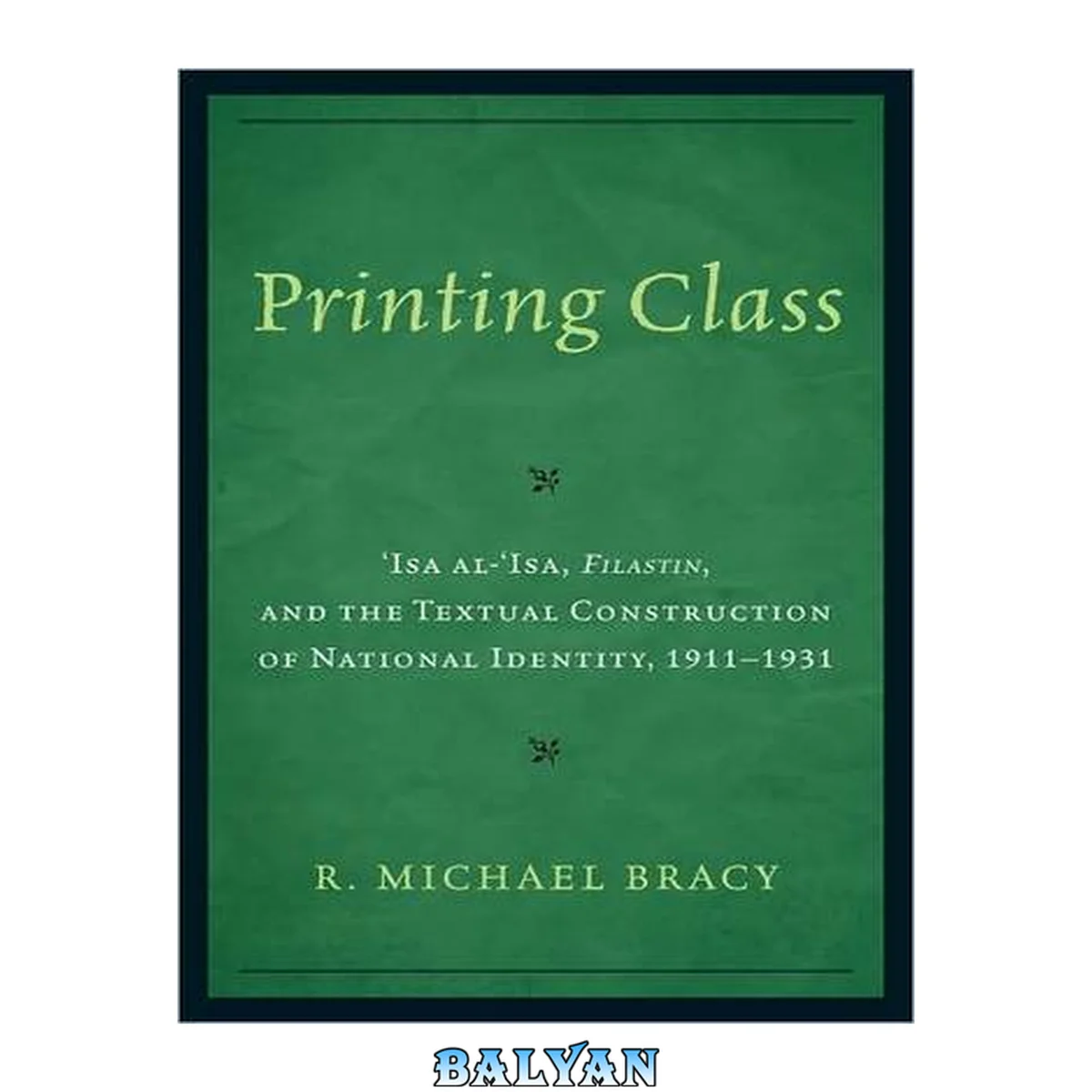
معرفی کتاب «Printing class : 'Isa al-'Isa, Filastin, and the textual construction of national identity, 1911-1931» نوشتهٔ R. Michael Bracy، منتشرشده توسط نشر University Press of America در سال 2010. این کتاب در فرمت pdf، زبان انگلیسی ارائه شده است.
Printing Class Explores The Manners And Challenges In Which Alternating Constructions Of National Identity Were Articulated In The Writings Of 'isa Al-'isa And His Newspaper Filastin. The Analysis Illuminates An Expression Of National Identity In Palestine In Which 'isa Struggled To Combine Multiple Political Realities That Constituted Palestinian Society As Well As Social Class And Ideological Prejudices Of Contributing Journalists. After Its Initial Publication In February 1911, Filastin Quickly Became The Largest Circulated Newspaper In Palestine And Remained Under The Singular Guidance Of Its Founder And Editor, 'isa Al-'isa Of Jaffa, Thereby Allowing A Unique Look Into An Active And Dynamic Articulation Of National Identity From A Newly Forming Middle Class In Palestine That Was Meant For Widespread Dissemination Among The Arab Population. The Time Period Under Consideration Will Be Limited To 'isa's Work Between 1911 And 1931, As This Time Marked A Complex Interaction Of Ottoman, Zionist, Arabist, And Mandatory Influences That Challenged The Formation Of National Identity. Filastin Is Often Cited In The Examination Of Various Aspects Of Palestine Nationalism; However, It Has Not Been Systematically Treated As A Single Text Until Now--p. [4] Of Cover. Introduction -- We Stand As A Brave Defender : 'isa Al-'isa And The Orthodox Christian Origins Of Filastin -- A Portion Of Us And A Portion Of Them : Political Identity, 1911-1919 -- Tell Those Mad People To Leave Our Palestine In Peace : Political Action, 1921-1931 -- The Tears Of The Evicted : The Palestinian Economy -- Before We Seek Independence, We Must Seek Identity : Cultural Representation -- Epilogue : A School For Life. R. Michael Bracy. Includes Bibliographical References (p. 159-168). "Printing Class explores the manners and challenges in which alternating constructions of national identity were articulated in the writings of 'Isa al-'Isa and his newspaper Filastin. The analysis illuminates an expression of national identity in Palestine in which 'Isa struggled to combine multiple political realities that constituted Palestinian society as well as social class and ideological prejudices of contributing journalists. After its initial publication in February 1911, Filastin quickly became the largest circulated newspaper in Palestine and remained under the singular guidance of its founder and editor, 'Isa al-'Isa of Jaffa, thereby allowing a unique look into an active and dynamic articulation of national identity from a newly forming middle class in Palestine that was meant for widespread dissemination among the Arab population. The time period under consideration will be limited to 'Isa's work between 1911 and 1931, as this time marked a complex interaction of Ottoman, Zionist, Arabist, and Mandatory influences that challenged the formation of national identity. Filastin is often cited in the examination of various aspects of Palestine nationalism; however, it has not been systematically treated as a single text until now"--Page [4] of cover "Printing Class explores the manners and challenges in which alternating constructions of national identity were articulated in the writings of 'Isa al-'Isa and his newspaper Filastin. The analysis illuminates an expression of national identity in Palestine in which 'Isa struggled to combine multiple political realities that constituted Palestinian society as well as social class and ideological prejudices of contributing journalists. After its initial publication in February 1911, Filastin quickly became the largest circulated newspaper in Palestine and remained under the singular guidance of its founder and editor, 'Isa al-'Isa of Jaffa, thereby allowing a unique look into an active and dynamic articulation of national identity from a newly forming middle class in Palestine that was meant for widespread dissemination among the Arab population. The time period under consideration will be limited to 'Isa's work between 1911 and 1931, as this time marked a complex interaction of Ottoman, Zionist, Arabist, and Mandatory influences that challenged the formation of national identity. Filastin is often cited in the examination of various aspects of Palestine nationalism; however, it has not been systematically treated as a single text until now"--Back cover
دانلود کتاب Printing class : 'Isa al-'Isa, Filastin, and the textual construction of national identity, 1911-1931