هلند پساکولونیالی: شصت و پنج سال فراموشی، بزرگداشت و سکوت
Postcolonial Netherlands : sixty-five years of forgetting, commemorating, silencing
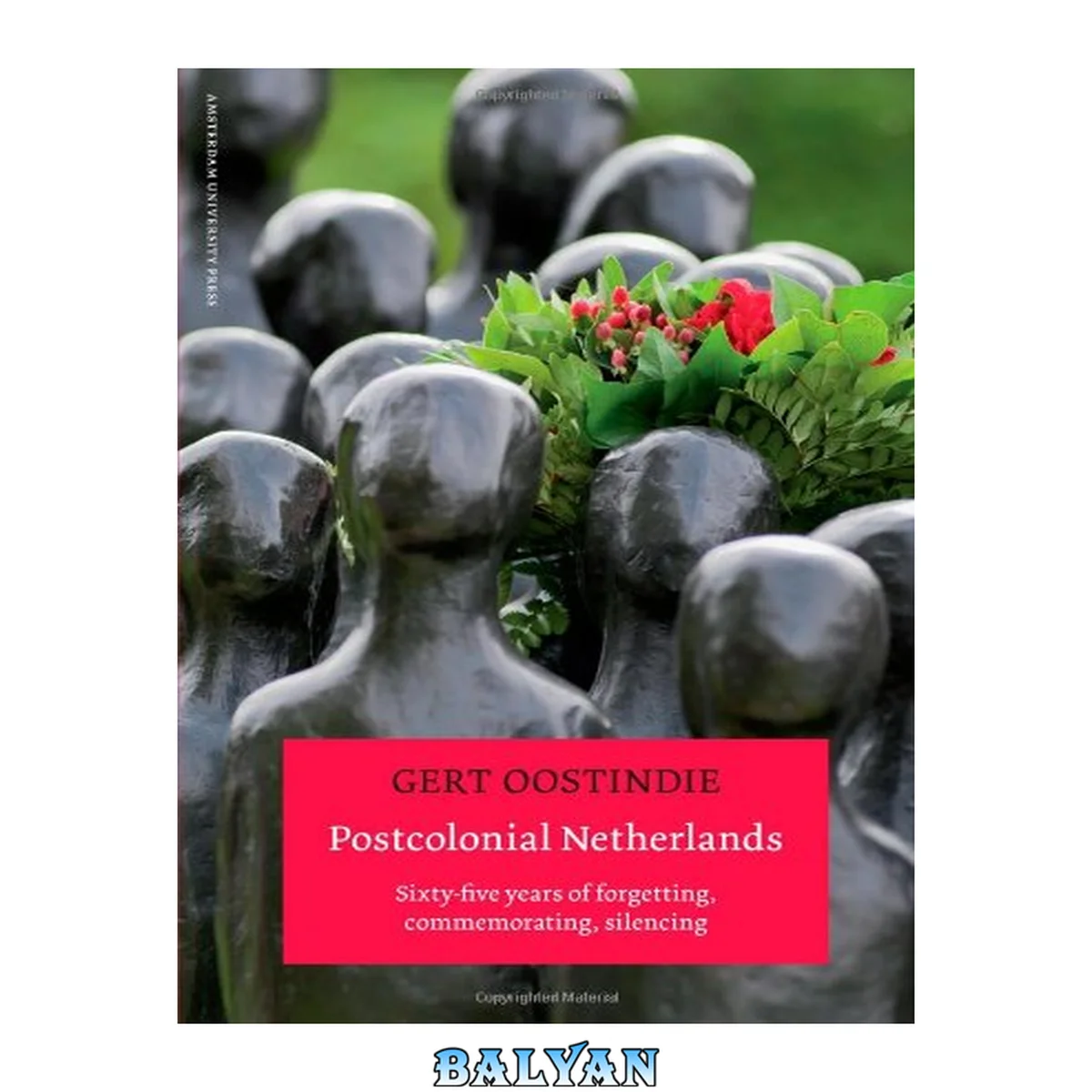
معرفی کتاب «هلند پساکولونیالی: شصت و پنج سال فراموشی، بزرگداشت و سکوت» (با عنوان لاتین Postcolonial Netherlands : sixty-five years of forgetting, commemorating, silencing) نوشتهٔ Gert Oostindie; Michael Bommes; Lena Tsipouri; Vanja Stenius، منتشرشده توسط نشر Amsterdam University Press در سال 2012. این کتاب در فرمت pdf، زبان انگلیسی ارائه شده است.
The Netherlands is home to one million citizens with roots in former Dutch colonies, such as Indonesia, Suriname, and the Antilles. Due to this influx of non-Western immigrants, a nationwide debate over multiculturalism has been waged over the past decade. __Postcolonial Netherlands__ addresses themes of multicultural integration, such as state-sponsored financial gestures towards first-generation immigrants, and their subsequent results. Taking on a controversial thesis, Gert Oostindie claims that children of immigrants feel diminishing ties to their international origins and that for newer Dutch generations, multiculturalism has less and less importance. Content: 1. Decolonization, migration and the postcolonial bonus -- From the Indies/Indonesia -- From Suriname -- From the Antilles -- Migration and integration in the Netherlands -- The disappearance of the postcolonial community and bonus -- 2. Citizenship: rights, participation, identification -- The right to remain Dutch -- Postcolonial organizations: profiles and meaning -- Political participation -- Ambivalent identities -- 3. The struggle for recognition: war and the silent migration -- From war to exodus -- War and bersiap -- The 'cold' reception -- The uprooting of the Moluccans -- Veterans and the Indisch community -- Memorial culture -- West Indian and Dutch stories and silences around war and exodus -- 4. The individualization of identity -- Identity: individual perception, public significance -- Indisch identity, from Tjalie to Indo4Life -- Moluccan identity around and after the rms -- Diversity without unity: Caribbean identity -- Recognition and erosion -- 5. Imagining colonialism -- The Companies -- 'Something magnificent was done there!' -- The West Indies: without pride -- Colonial slavery, postcolonial settlement -- Unfamiliar discourses and new silences -- Pleasing everyone, all of the time? -- 6. Transnationalism: a turning tide? -- Decolonization, migration circuits and generations -- Citizens and their transnational orientations -- Postcolonial organizations and transnational politics -- Cultural transnationalism, 'diaspora' and community -- 7. An international perspective -- Migrations in post-war Europe -- France: republican dilemmas -- The United Kingdom: Britishness and multiculturalism -- Portugal: reluctant re-migrants -- A typical case: slavery in European memorial culture -- Colonial past and postcolonial migrations: a broad comparison -- Typically Dutch? -- 8. 'Postcolonial' (in the) Netherlands -- Postcolonial migrants: integration, identification, community -- New ideas about the 'Netherlands' -- Intermezzo: international heritage policy -- Postcolonial studies in the Netherlands, a missed opportunity? -- The future of the colonial past. "The Netherlands is home to one million citizens with roots in the former colonies Indonesia, Suriname and the Antilles. Entitlement to Dutch citizenship, pre-migration acculturation in Dutch language and culture as well as a strong rhetorical argument ('We are here because you were there') were strong assets of the first generation. This 'postcolonial bonus' indeed facilitated their integration. In the process, the initial distance to mainstream Dutch culture diminished. Postwar Dutch society went through serious transformations. Its once lily white population now includes two million non-Western migrants and the past decade witnessed heated debates about multiculturalism. The most important debates about the postcolonial migrant communities centeracknowledgmentgement and the inclusion of colonialism and its legacies in the national memorial culture. This resulted in state-sponsored gestures, ranging from financial compensation to monuments. The ensemble of such gestures reflect a guilt-ridden and inconsistent attempt to 'do justice' to the colonial past and to Dutch citizens with colonial roots. Postcolonial Netherlands is the first scholarly monograph to address these themes in an internationally comparative framework. Upon its publication in the Netherlands (2010) the book elicited much praise, but also serious objections to some of the author's theses, such as his prediction about the diminishing relevance of postcolonial roots"--Publisher's description The Netherlands is home to one million citizens with roots in the former colonies Indonesia, Suriname and the Antilles. Entitlement to Dutch citizenship, pre-migration acculturation in Dutch language and culture as well as a strong rhetorical argument (?We are here because you were there?) were strong assets of the first generation. This ?postcolonial bonus? indeed facilitated their integration. In the process, the initial distance to mainstream Dutch culture diminished. Postwar Dutch society went through serious transformations. Its once lilywhite population now includes two million non-Western migrants and the past decade witnessed heated debates about multiculturalism. The most important debates about the postcolonial migrant communities centered on acknowledgement and the inclusion of colonialism and its legacies in the national memorial culture. This resulted in state-sponsored gestures, ranging from financial compensation to monuments. The ensemble of such gestures reflect a guilt-ridden and inconsistent attempt to ?do justice? to the colonial past and to Dutch citizens with colonial roots. Postcolonial Netherlands is the first scholarly monograph to address these themes in an internationally comparative framework. Upon its publication in the Netherlands (2010) the book elicited much praise, but also serious objections to some of the author?s theses, such as his prediction about the diminishing relevance of postcolonial roots. The Netherlands is home to one million citizens with roots in the former colonies - Indonesia, Suriname and the Antilles. Entitlement to Dutch citizenship, pre-migration acculturation in the Dutch language and culture as well as a strong rhetorical argument (We are here because you were there!) were important assets of the first generation, facilitating its integration into the Dutch society. The current Dutch population counts two million non-Western migrants, and the past decade witnessed heated debates about multiculturalism, the most important ones centered on acknowledgement and inclusion of colonialism and its legacies in the national memorial culture. Postcolonial Netherlands, which elicited much praise but also controversy following the publication of its Dutch edition, is the first scholarly monograph to address these themes in an internationally comparative framework. Annotation The Netherlands Is Home To One Million Citizens With Roots In Former Dutch Colonies, Such As Indonesia, Suriname, And The Antilles. Due To This Influx Of Non-western Immigrants, A Nationwide Debate Over Multiculturalism Has Been Waged Over The Past Decade.postcolonial Netherlandsaddresses Themes Of Multicultural Integration, Such As State-sponsored Financial Gestures Towards First-generation Immigrants, And Their Subsequent Results. Taking On A Controversial Thesis, Gert Oostindie Claims That Children Of Immigrants Feel Diminishing Ties To Their International Origins And That For Newer Dutch Generations, Multiculturalism Has Less And Less Importance. Gert Oostindie ; [translation, Annabel Howland]. Includes Bibliographical References (p. 262-280) And Index. Annotation The Netherlands is home to one million citizens with roots in former Dutch colonies, such as Indonesia, Suriname, and the Antilles. Due to this influx of non-Western immigrants, a nationwide debate over multiculturalism has been waged over the past decade. Postcolonial Netherlandsaddresses themes of multicultural integration, such as state-sponsored financial gestures towards first-generation immigrants, and their subsequent results. Taking on a controversial thesis, Gert Oostindie claims that children of immigrants feel diminishing ties to their international origins and that for newer Dutch generations, multiculturalism has less and less importance "The Netherlands is home to one million citizens with roots in former Dutch colonies, such as Indonesia, Suriname, and the Antilles. Due to this influx of non-Western immigrants, a nationwide debate over multiculturalism has been waged over the past decade. Postcolonial Netherlands addresses themes of multicultural integration, such as state-sponsored financial gestures towards first-generation immigrants, and their subsequent results. Taking on a controversial thesis, Gert Oostindie claims that children of immigrants feel diminishing ties to their international origins and that for newer Dutch generations, multiculturalism has less and less importance"--EBL
دانلود کتاب هلند پساکولونیالی: شصت و پنج سال فراموشی، بزرگداشت و سکوت
Migrants and Markets aims to overcome the artificial barrier between economics and migration research