Polygyny: What It Means When African American Muslim Women Share Their Husbands Project Muse Upcc Books
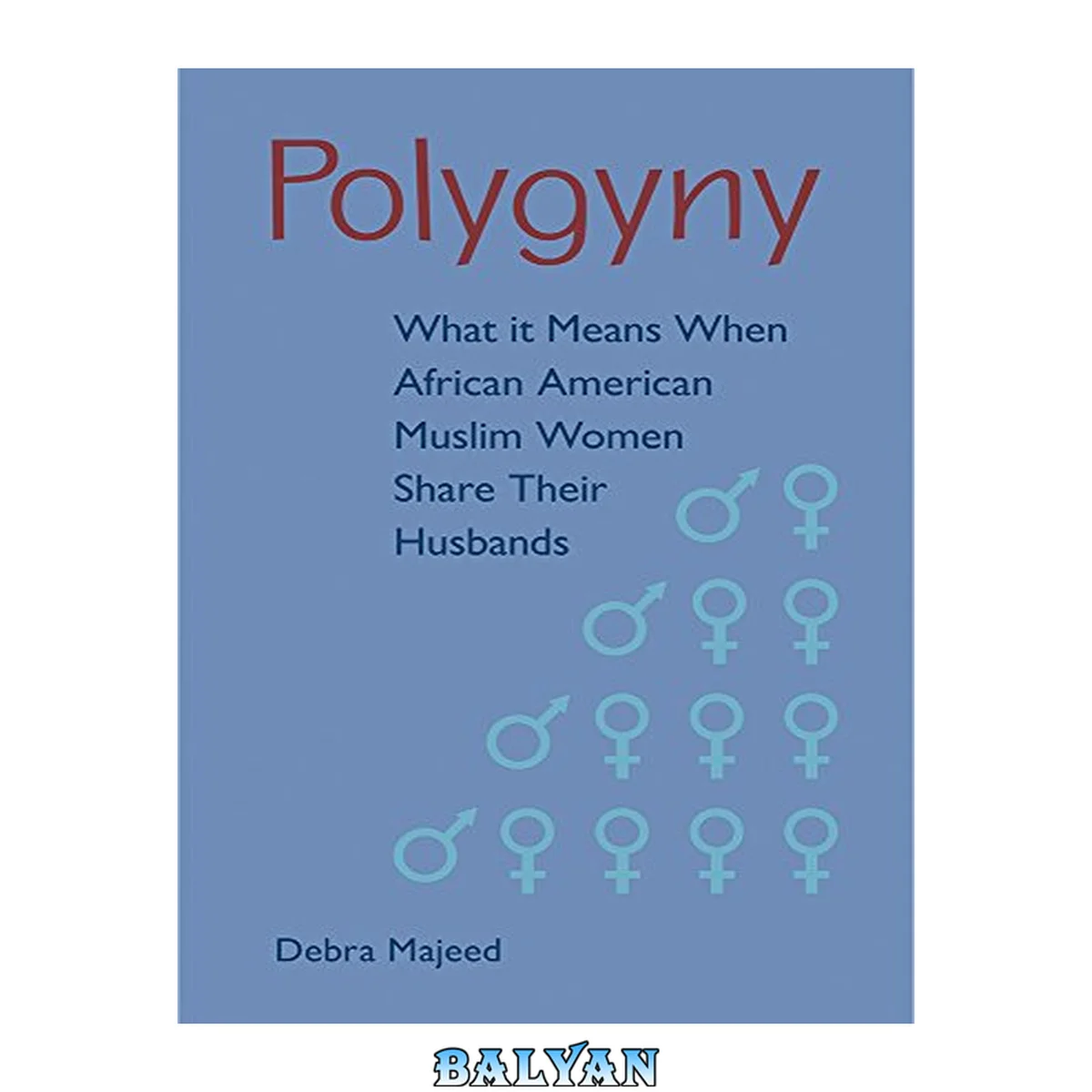
معرفی کتاب «Polygyny: What It Means When African American Muslim Women Share Their Husbands Project Muse Upcc Books» نوشتهٔ Debra Majeed، منتشرشده توسط نشر University Press of Florida در سال 2015. این کتاب در فرمت pdf، زبان انگلیسی ارائه شده است.
“Captivating, provocative, and groundbreaking. Taking up the mandate that women’s realities matter, Majeed writes with depth and analytical rigor about a topic we have scarcely begun to understand.”—Amina Wadud, author of Inside The Gender Jihad “Tackles the contours and intimacies of a much practiced but seldom spoken about quasi-marriage that leaves women without legal support. A much-needed text on an extremely sensitive topic. Majeed excavates this terrain with finesse and a deft scholarly hand.”—Aminah Beverly McCloud, coeditor of An Introduction to Islam in the 21st Century “Utilizes ethnographic research methods to imaginatively and constructively complexify the reality of polygyny in the lives of African American Muslim women.”—Linda Elaine Thomas, author of Under the Canopy “Majeed’s womanist approach is critical, yet balanced enough to include the concerns of women, men, and children, affording readers a broad and vital gaze into the lives of these unconventional households.”—Zain Abdullah, author of Black Mecca “A powerful and long overdue study of polygyny in African American Muslim communities.”—Shabana Mir, author of Muslim American Women on Campus Debra Majeed sheds light on families whose form and function conflict with U.S. civil law. Polygyny—multiple-wife marriage—has steadily emerged as an alternative to the low numbers of marriageable African American men and the high number of female-led households in black America. This book features the voices of women who welcome polygyny, oppose it, acquiesce to it, or even negotiate power in its practices. Majeed examines the choices available to African American Muslim women who are considering polygyny or who are living it. She calls attention to the ways in which interpretations of Islam’s primary sources are authorized or legitimated to regulate the rights of Muslim women. Highlighting the legal, emotional, and communal implications of polygyny, Majeed encourages Muslim communities to develop formal measures that ensure the welfare of women and children who are otherwise not recognized by the state. “Captivating, provocative, and groundbreaking. Taking up the mandate that women’s realities matter, Majeed writes with depth and analytical rigor about a topic we have scarcely begun to understand.”—Amina Wadud, author of __Inside The Gender Jihad__ “Tackles the contours and intimacies of a much practiced but seldom spoken about quasi-marriage that leaves women without legal support. A much-needed text on an extremely sensitive topic. Majeed excavates this terrain with finesse and a deft scholarly hand.”—Aminah Beverly McCloud, coeditor of __An Introduction to Islam in the 21st Century__ “Utilizes ethnographic research methods to imaginatively and constructively complexify the reality of polygyny in the lives of African American Muslim women.”—Linda Elaine Thomas, author of __Under the Canopy__ “Majeed’s womanist approach is critical, yet balanced enough to include the concerns of women, men, and children, affording readers a broad and vital gaze into the lives of these unconventional households.”—Zain Abdullah, author of __Black Mecca__ “A powerful and long overdue study of polygyny in African American Muslim communities.”—Shabana Mir, author of __Muslim American Women on Campus__ Debra Majeed sheds light on families whose form and function conflict with U.S. civil law. Polygyny—multiple-wife marriage—has steadily emerged as an alternative to the low numbers of marriageable African American men and the high number of female-led households in black America. This book features the voices of women who welcome polygyny, oppose it, acquiesce to it, or even negotiate power in its practices. Majeed examines the choices available to African American Muslim women who are considering polygyny or who are living it. She calls attention to the ways in which interpretations of Islam’s primary sources are authorized or legitimated to regulate the rights of Muslim women. Highlighting the legal, emotional, and communal implications of polygyny, Majeed encourages Muslim communities to develop formal measures that ensure the welfare of women and children who are otherwise not recognized by the state. Debra Majeed's Ethnography Of Contemporary African American Muslim Polygyny Illuminates The Varieties Of And Struggles Within A Type Of Family Whose Form And Function Is Contrary To U.s. Civil Law. The Road To Understanding Polygyny -- Agency And Authority In Polygyny -- Religious And Experiential Prescriptions -- Legalities And Emotional Well-being -- Imam Mohammed's Commentary On Polygyny -- Mental Health And Living Polygyny -- Afterword: Muslim Womanist Praxis And Polygyny. Debra Majeed. Includes Bibliographical References (pages 169-183) And Index. In this social history of African American Muslim polygyny, Debra Majeed sheds light on the struggles of families whose form and function conflict with US civil law. Majeed situates African American Muslims in the centre of this dialogue on polygyny, examining the choices available to women in these relationships and the scope of their rights.
دانلود کتاب Polygyny: What It Means When African American Muslim Women Share Their Husbands Project Muse Upcc Books