Poetry, Politics, and the Body in Rimbaud : Lyrical Material
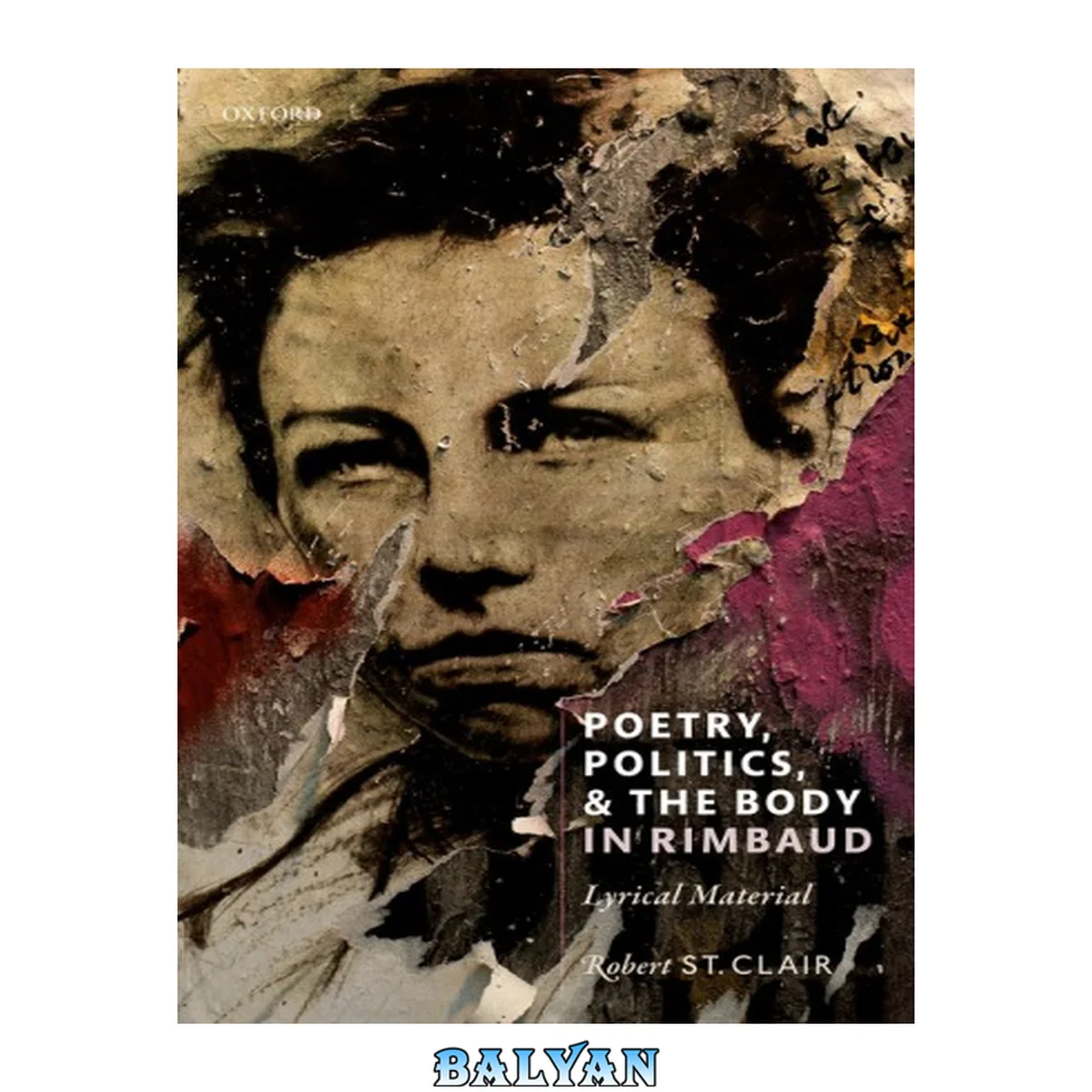
معرفی کتاب «Poetry, Politics, and the Body in Rimbaud : Lyrical Material» نوشتهٔ Robert St. Clair، منتشرشده توسط نشر United Kingdom : Oxford university press در سال 2018. این کتاب در فرمت pdf، زبان انگلیسی ارائه شده است.
Bodies abound in Rimbaud's poetry in a way that is nearly unprecedented in the nineteenth-century poetic canon: lazy, creative, rule-breaking bodies, queer bodies, marginalized and impoverished bodies, revolting and revolutionary, historical bodies. The question that Poetry, Politics, and the Body seeks to answer is: What does this corporeal density mean for reading Rimbaud? What kind of sense are we to make of this omnipresence of the body in the Rimbaldian corpus, from first to lastfrom the earliest poems in verse celebrating the sheer, simple delight of running away from wherever one is and stretching one's legs out under a table, to the ultimate flight away from poetry itself? In response, this book argues that the body appearsoften literallyas a kind of gap, breach, or aperture through which Rimbaud's poems enter into contact with history and a larger body of other texts. Simply put, the body is privileged 'lyrical material' for Rimbaud: a figure for human beings in their exposed, finite creatureliness and in their unpredictable agency and interconnectedness. Its presence in the early work allows us not only to contemplate what a strange, sensuous thing it is to be embodied, to be both singular and part of a collective, it also allows the poet to diagnose, and the reader to perceive, a set of seemingly intractable, 'real' socio-economic, political, and symbolic problems. Rimbaud's bodies are, in other words, utopian bodies: sites where the historical and the lyrical, the ideal and the material, do not so much cancel each other out as become caught up in one another. Cover......Page 1 Poetry, Politics, and the Body in Rimbaud: Lyrical Material......Page 4 Copyright......Page 5 Dedication......Page 6 Acknowledgments......Page 8 Contents......Page 10 List of Illustrations......Page 12 ENTRÉE EN MATIÈRE.........Page 14 LYRICAL MATERIAL......Page 21 RIMBAUD’S UTOPIAN BODIES......Page 24 READING MATERIAL(ITY) I : TEXTUALITY AND INTERTEXTUALITY......Page 26 READING MATERIAL(ITY) I I : CONTEXTUALITY AND THE MATTER OF HISTORY......Page 30 OUTLINE: RIMBAUD’S BODIES......Page 35 1: Natural Bodies: (Eco)Poetics and the Politics of the Aesthetic: “Sensation”......Page 39 ADDRESSING PARNASSUS: RIMBAUD AND BANVILLE......Page 42 PARNASSIAN POLITICS, LYRICAL UTOPIAS......Page 54 SPECIES BEING, AND OTHER (ECO)POETIC SUBJECTS......Page 63 READING “WITH”: AESTHETIC FUTURES......Page 81 POETRY, POVERTY: LE FAIT DU CORPS . . .......Page 85 SPEAKING OF THE POOR: THE SOCIAL QUESTION AND POETRY’S RESPONSIBILITY......Page 90 POETRY GOES TO THE DOGS: DISFIGURING THE POOR AND THE CRITIQUE OF MISERABILISM......Page 101 WHO HATES THE POOR? (MALLARMÉ, RIMBAUD)......Page 107 LES EFFARÉS, OR: HOW NOT TO SPLIT A BODY (OF WORK)......Page 115 LES EFFARÉS, OR: WHAT ARE YOU LAUGHING AT?......Page 122 RIMBAUD’S CORPS UTOPIQUES......Page 133 3: Happy Bodies, Happy Hours: “Au Cabaret-vert, cinq heures du soir”......Page 136 A POET WALKS INTO A BAR . . . POETRY AND EVERYDAY UTOPIAS......Page 137 PARNASSUS, REDUX: OR, THE POLITICS OF AESTHETIC (F)UTILITY......Page 140 CHARLEVILLE, CHARLEROI (AND DOUAI): AU CABARET-VERT . . . AND THE DEMENY COLLECTION......Page 147 WHAT IS A CABARET? POLITICAL GENEALOGY OF A LIEU COMMUN......Page 154 THE TRIVIAL LYRE: TIME, THE COMMON, AND THE FÊTE DU CORPS......Page 165 4: Revolting Bodies: “Le Forgeron” and the Poetry of the Past......Page 178 EPIC AND IRONY: OR, WHAT’S THE MATTER WITH HISTORY?......Page 183 THE LAMP AND THE ANVIL......Page 194 “PRE-HISTORY” AND REVOLUTION: UTOPIAN INTERLUDES AND INTERRUPTIONS......Page 198 IMPROPER VOICES, RHETORICAL IMPROPRIETIES......Page 202 REPETITION AND CONFRONTATION (POPULAR REASON AND POETRY’S AFFRONT)......Page 207 DEMOCRATIC DÉ-COMPTES......Page 212 THE MATTER OF “VERS”......Page 218 ADDRESSING PARNASSUS (CODA): STRANGE COMPANY IN THE HÔTEL DES ÉTRANGERS......Page 222 THE ALBUM ZUTIQUE, OR: THE (DIS)ORDER OF DISCOURSE......Page 225 (Z)UT PICTURA POIESIS: COIN DE TABLE, OR THE FEAST OF PIMPS AND THIEVES......Page 236 OF POETS AND OTHER ARSEHOLES......Page 247 CONCLUSION: WRITING, HAND IN HAND......Page 255 Selected Bibliography......Page 262 COLLECTIVE VOLUMES......Page 277 Index......Page 278 General Index......Page 279 Bodies abound in Rimbaud's poetry in a way that is nearly unprecedented in the nineteenth-century poetic lazy, creative, rule-breaking bodies, queer bodies, marginalized and impoverished bodies, revolting and revolutionary, historical bodies. The question that Poetry, Politics, and the Body seeks to answer What does this corporeal density mean for reading Rimbaud? What kind of sense are we to make of this omnipresence of the body in the Rimbaldian corpus, from first to lastDSfrom the earliest poems in verse celebrating the sheer, simple delight of running away from wherever one is and stretching one's legs out under a table, to the ultimate flight away from poetry itself? In response, this book argues that the body appearsDSoften literallyDSas a kind of gap, breach, or aperture through which Rimbaud's poems enter into contact with history and a larger body of other texts. Simply put, the body is privileged 'lyrical material' for a figure for human beings in their exposed, finite creatureliness and in their unpredictable agency and interconnectedness. Its presence in the early work allows us not only to contemplate what a strange, sensuous thing it is to be embodied, to be both singular and part of a collective, it also allows the poet to diagnose, and the reader to perceive, a set of seemingly intractable, 'real' socio-economic, political, and symbolic problems. Rimbaud's bodies are, in other words, utopian sites where the historical and the lyrical, the ideal and the material, do not so much cancel each other out as become caught up in one another. Bodies Abound In Rimbaud's Poetry In A Way That Is Nearly Unprecedented In The Nineteenth-century Poetic Canon: Lazy, Creative, Rule-breaking Bodies, Queer Bodies, Marginalized And Impoverished Bodies, Revolting And Revolutionary, Historical Bodies. The Question That This Book Seeks To Answer Is: What Does This Corporeal Density Mean For Reading Rimbaud? What Kind Of Sense Are We To Make Of This Omnipresence Of The Body In The Rimbaldian Corpus, From First To Last-from The Earliest Poems In Verse Celebrating The Sheer, Simple Delight Of Running Away From Wherever One Is And Stretching One's Legs Out Under A Table, To The Ultimate Flight Away From Poetry Itself? In Response, This Book Argues That The Body Appears-often Literally-as A Kind Of Gap, Breach, Or Aperture Through Which Rimbaud's Poems Enter Into Contact With History And A Larger Body Of Other Texts. Simply Put, The Body Is Privileged 'lyrical Material' For Rimbaud: A Figure For Human Beings In Their Exposed, Finite Creatureliness And In Their Unpredictable Agency And Interconnectedness. Its Presence In The Early Work Allows Us Not Only To Contemplate What A Strange, Sensuous Thing It Is To Be Embodied, To Be Both Singular And Part Of A Collective, It Also Allows The Poet To Diagnose, And The Reader To Perceive, A Set Of Seemingly Intractable, 'real' Socio-economic, Political, And Symbolic Problems. Bodies abound in Rimbaud's poetry in a way that is nearly unprecedented in the nineteenth-century poetic canon. This volume explores the significance of 'the body' in Rimbaud's work and how his poetry relates to revolutionary history and politics.
دانلود کتاب Poetry, Politics, and the Body in Rimbaud : Lyrical Material