Pflanzen der Kelten
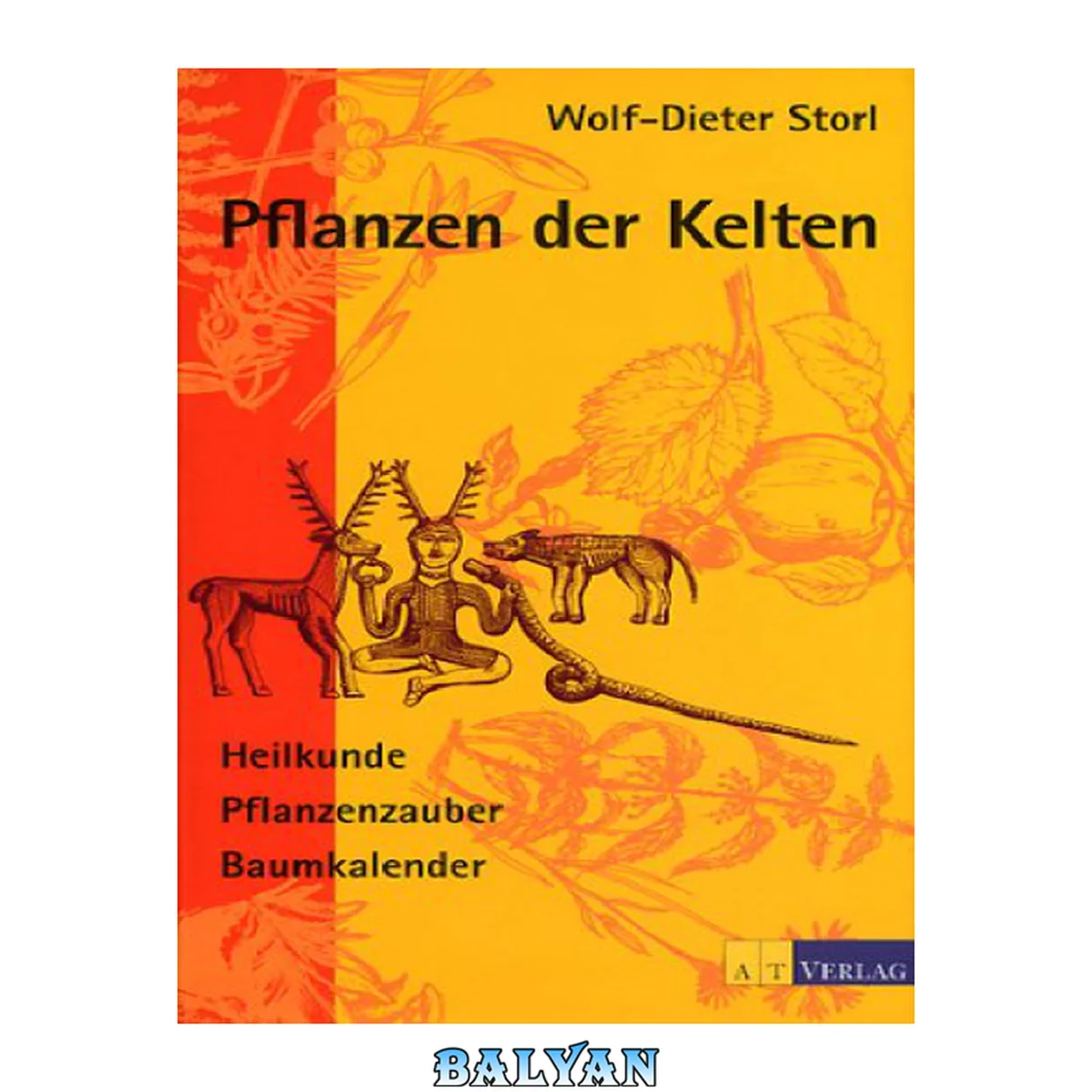
معرفی کتاب «Pflanzen der Kelten» نوشتهٔ Fabrizio Romano، Heinrich Kruger و Claudia Müller-Ebeling, Christian Rätsch, Wolf-Dieter Storl، منتشرشده توسط نشر 0. این کتاب در فرمت pdf، زبان آلمانی ارائه شده است.
This edition offers updated content covering Python 3.9 to 3.12, new chapters on type hinting and CLI applications, and expanded practical examples, making it the ideal resource for both new and experienced Python programmers Key Features Create and deploy APIs and CLI applications, leveraging Python’s strengths in scripting and automation Stay current with the latest features and improvements in Python, including pattern matching and the latest exception handling syntax Engage with new real-world examples and projects, including competitive programming problems, to solidify your understanding of Python Book Description Learn Python Programming, Fourth Edition, provides a comprehensive, up-to-date introduction to Python programming, covering fundamental concepts and practical applications. This edition has been meticulously updated to include the latest features from Python versions 3.9 to 3.12, new chapters on type hinting and CLI applications, and updated examples reflecting modern Python web development practices. This Python book empowers you to take ownership of writing your software and become independent in fetching the resources you need. By the end of this book, you will have a clear idea of where to go and how to build on what you have learned from the book. Through examples, the book explores a wide range of applications and concludes by building real-world Python projects based on the concepts you have learned. This Python book offers a clear and practical guide to mastering Python and applying it effectively in various domains, such as data science, web development, and automation. What you will learn Install and set up Python on Windows, Mac, and Linux Write elegant, reusable, and efficient code Avoid common pitfalls such as duplication and over-engineering Use functional and object-oriented programming approaches appropriately Build APIs with FastAPI and program CLI applications Understand data persistence and cryptography for secure applications Manipulate data efficiently using Python's built-in data structures Package your applications for distribution via the Python Package Index (PyPI) Solve competitive programming problems with Python Who this book is for This Python programming book is for everyone who wants to learn Python from scratch, as well as experienced programmers looking for a reference book. Prior knowledge of basic programming concepts will help you follow along, but it’s not a prerequisite Learn Python Programming, Fourth Edition: A Comprehensive, Up-to-Date, and Definitive Guide to Learning Python 1 A Gentle Introduction to Python Join our book community on Discord A proper introduction Enter the Python About Python Portability Coherence Developer productivity An extensive library Software quality Software integration Data Science Satisfaction and enjoyment What are the drawbacks? Who is using Python today? Tech industry Financial sector Technology and software Space and research Retail and e-Commerce Entertainment and media Education and learning platforms Government and non-profit Setting up the environment Installing Python Useful installation resources Installing Python on Windows Installing Python on macOS Installing Python on Linux The Python Console About virtual environments Your first virtual environment Installing third-party libraries The console How to run a Python program Running Python scripts Running the Python interactive shell Running Python as a service Running Python as a GUI application How is Python code organized? How do we use modules and packages? Python's execution model Names and namespaces Scopes Guidelines for writing good code Python culture A note on IDEs A word about AI Summary 2 Built-In Data Types Everything is an object Mutability Numbers Integers Booleans Real numbers Complex numbers Fractions and Decimals Immutable sequences Strings and bytes Tuples Mutable sequences Lists Bytearrays Set types Mapping types: dictionaries Data types Dates and times The collections module Enums Final considerations Small value caching How to choose data structures About indexing and slicing About names Summary 3 Conditionals and Iteration Conditional programming The if statement A specialized else: elif Nesting if statements The ternary operator Pattern matching Looping The for loop Iterators and iterables Iterating over multiple sequences The while loop The break and continue statements A special else clause Assignment expressions Statements and expressions Using the walrus operator A word of warning Putting all this together A prime generator Applying discounts A quick peek at the itertools module Infinite iterators Iterators terminating on the shortest input sequence Combinatoric generators Summary 4 Functions, the Building Blocks of Code Why use functions? Reducing code duplication Splitting a complex task Hiding implementation details Improving readability Improving traceability Scopes and name resolution The global and nonlocal statements Input parameters Argument-passing Assignment to parameter names Changing a mutable object Passing arguments Defining parameters Return values Returning multiple values A few useful tips Recursive functions Anonymous functions Function attributes Built-in functions Documenting your code Importing objects Relative imports One final example Summary 5 Comprehensions and Generators The map, zip, and filter functions map zip filter Comprehensions Nested comprehensions Filtering a comprehension Dictionary comprehensions Set comprehensions Generators Generator functions Going beyond next The yield from expression Generator expressions Some performance considerations Do not overdo comprehensions and generators Name localization Generation behavior in built-ins One last example Summary 6 OOP, Decorators, and Iterators Decorators A decorator factory Object-oriented programming (OOP) The simplest Python class Class and object namespaces Attribute shadowing The self argument Initializing an instance OOP is about code reuse Accessing a base class Multiple inheritance Class and static methods Private methods and name mangling The property decorator The cached_property decorator Operator overloading Polymorphism – a brief overview Data classes Writing a custom iterator Summary 7 Exceptions and Context Managers Exceptions Raising exceptions Defining your own exceptions Tracebacks Handling exceptions Exception Groups Not only for errors Context managers Class-based context managers Generator-based context managers Summary 8 Files and Data Persistence Working with files and directories Opening files Reading and writing to a file Checking for file and directory existence Manipulating files and directories Temporary files and directories Directory content File and directory compression Data interchange formats Working with JSON I/O, streams, and requests Using an in-memory stream Making HTTP requests Persisting data on disk Serializing data with pickle Saving data with shelve Saving data to a database Configuration files Common formats Summary 9 Cryptography and Tokens The need for cryptography Useful guidelines Hashlib HMAC Secrets Random Objects Token generation Digest comparison JSON Web Tokens Registered claims Using asymmetric (public key) algorithms Useful references Summary 10 Testing Testing your application The anatomy of a test Testing guidelines Unit testing Testing a CSV generator Test-driven development Summary
دانلود کتاب Pflanzen der Kelten