Pendulum: Léon Foucault and the Triumph of Science
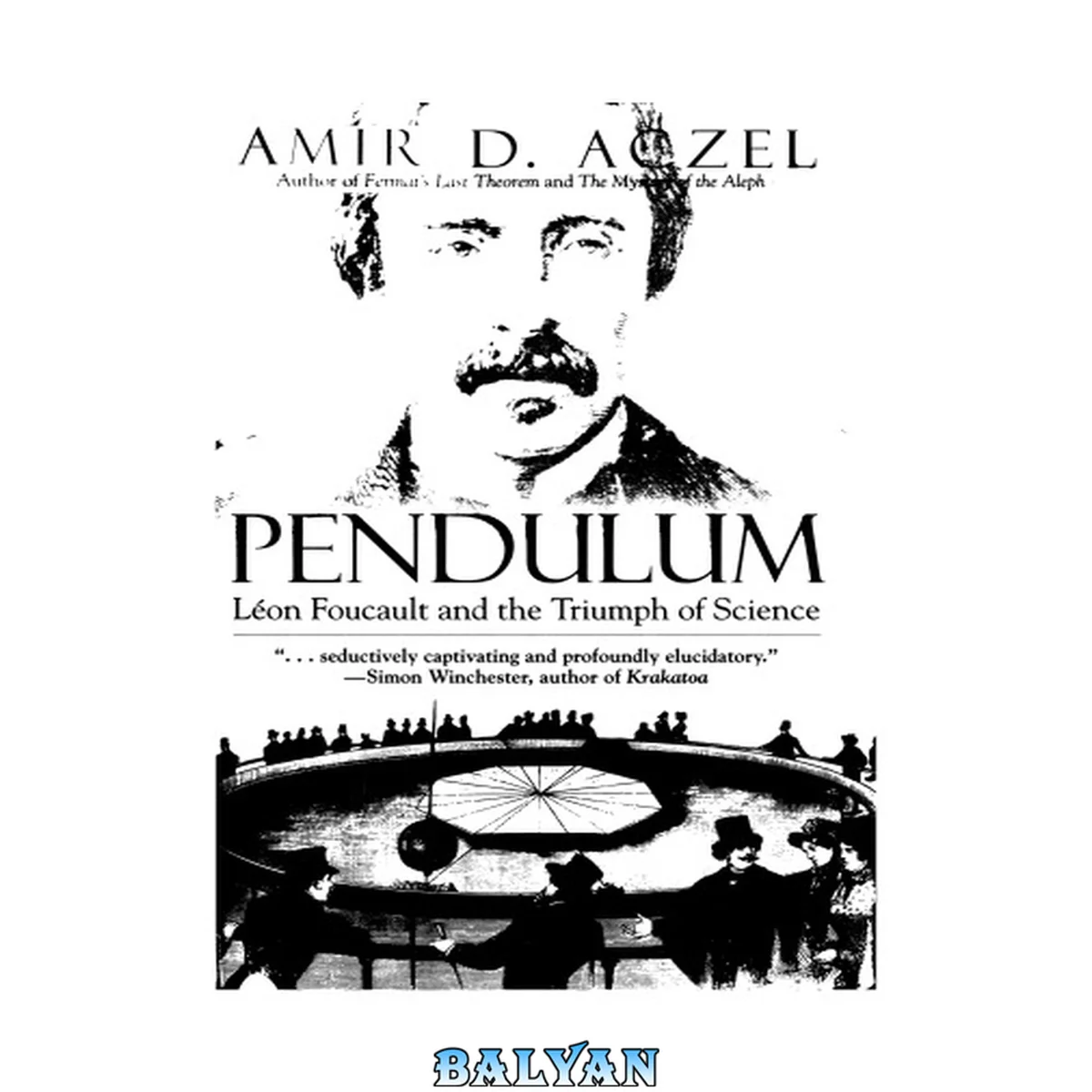
معرفی کتاب «Pendulum: Léon Foucault and the Triumph of Science» نوشتهٔ Amir D. Aczel، منتشرشده توسط نشر Atria Books در سال 2003. این کتاب در فرمت pdf، زبان انگلیسی ارائه شده است.
Through careful, primary research, world-renowned author Amir Aczel has revealed the life of a gifted physicist who had almost no formal education in science, and yet managed to succeed despite the adversity he suffered at the hands of his peers. The range and breadth of Foucault's discoveries is astonishing: He gave us the modern electric compass, devised an electric microscope, invented photographic technology, and made remarkable deductions about color theory, heat waves, and the speed of light. Yet until now so little has been known about his life. Richly detailed and evocative, Pendulum tells of the illustrious period in France during the Second Empire; of Foucault's relationship with Napoleon III, a colorful character in his own right; and - most notably - of the crucial triumph of science over religion. In 1851, struggling, self-taught physicist Léon Foucault performed a dramatic demonstration inside the Panthéon in Paris. By tracking a pendulum's path as it swung repeatedly across the interior of the large ceremonial hall, Foucault offered the first definitive proof -- before an audience that comprised the cream of Parisian society, including the future emperor, Napoleon III -- that the earth revolves on its axis. In this book, Amir Aczel has revealed the life of a gifted physicist who had almost no formal education in science, and yet managed to succeed despite the adversity he suffered at the hands of his peers. Foucault gave us the modern electric compass, devised an electric microscope, invented photographic technology, and made remarkable deductions about color theory, heat waves, and the speed of light. Yet until now so little has been known about his life. Pendulum tells of the illustrious period in France during the Second Empire; of Foucault's relationship with Napoleon III, a colorful character in his own right; and -- most notably -- of the crucial triumph of science over religion In 1851, struggling, self-taught physicist Lǒn Foucault performed a dramatic demonstration inside the Panthǒn in Paris. By tracking a pendulum's path as it swung repeatedly across the interior of the large ceremonial hall, Foucault offered the first definitive proof -- before an audience that comprised the cream of Parisian society, including the future emperor, Napoleon III -- that the earth revolves on its axis. In this book, Amir Aczel has revealed the life of a gifted physicist who had almost no formal education in science, and yet managed to succeed despite the adversity he suffered at the hands of his peers. Foucault gave us the modern electric compass, devised an electric microscope, invented photographic technology, and made remarkable deductions about color theory, heat waves, and the speed of light. Yet until now so little has been known about his life. Pendulum tells of the illustrious period in France during the Second Empire; of Foucault's relationship with Napoleon III, a colorful character in his own right; and -- most notably -- of the crucial triumph of science over religion From his journal, we know that he made the discovery at exactly two o'clock in the morning on January 6, 1851.
دانلود کتاب Pendulum: Léon Foucault and the Triumph of Science