Out of place : a memoir
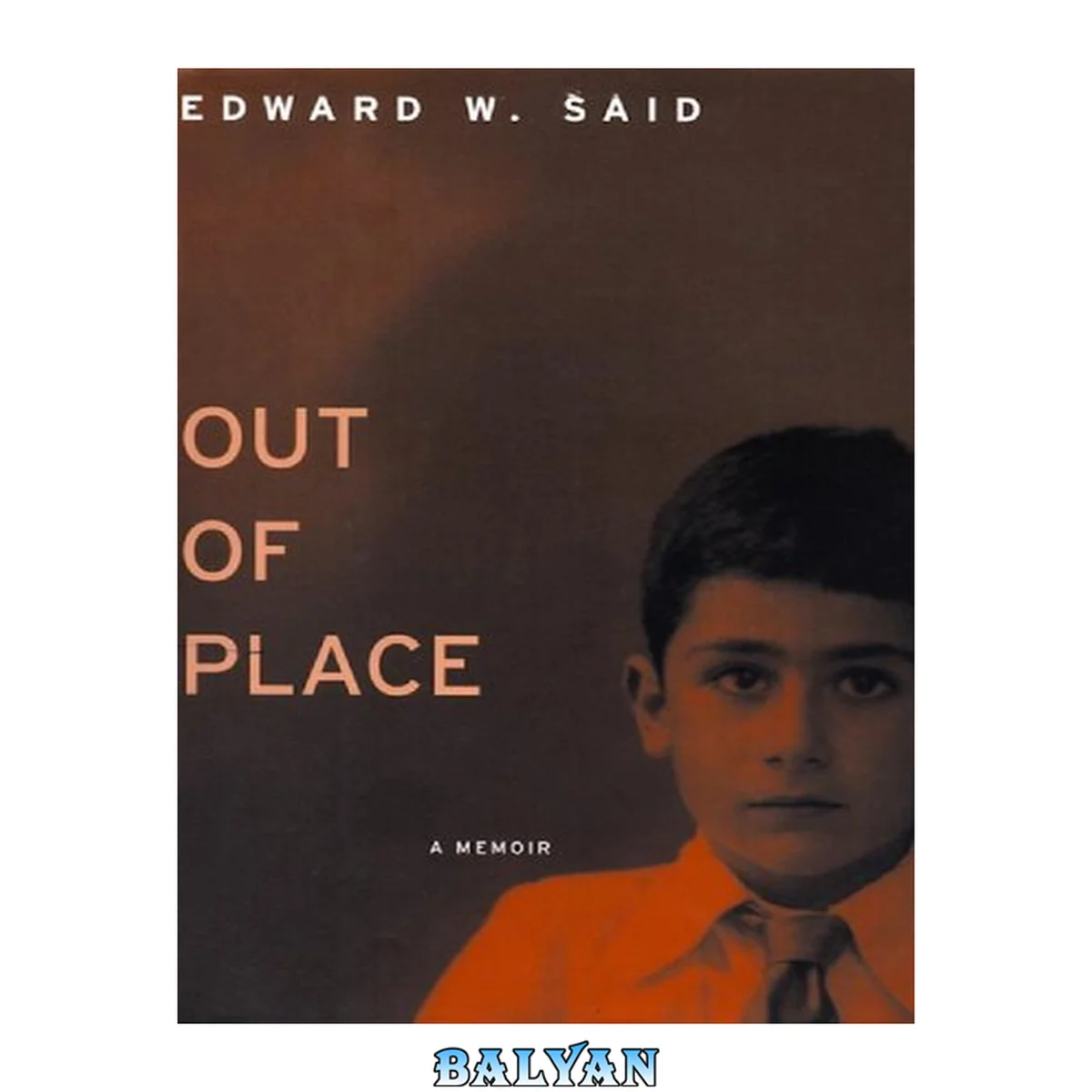
معرفی کتاب «Out of place : a memoir» نوشتهٔ Smith، Deborah، Sunim، Haemin، Edward Wadie Said، Feng و Lisk، منتشرشده توسط نشر Alfred A. Knopf; Knopf; Distributed by Random House در سال 1999. این کتاب در فرمت pdf، زبان انگلیسی ارائه شده است.
Out of Place is an extraordinary story of exile, a narrative of many departures, a celebration of an irrecoverable past. A fatal medical diagnosis in 1991 convinced Edward Said that he should leave a record of where he was born and spent his childhood, and so with this memoir he rediscovers the Arab landscape of his early years--"the many places and people [who] no longer exist . . . Essentially a lost world." Vast changes occurred as Palestine became Israel, Lebanon was transformed by twenty years of civil war, and the colonial Egypt of King Farouk disappeared forever by 1952. Born in Jerusalem in 1935, Said was the only son in a prosperous family of five children. His ferociously demanding father upheld many Victorian values and ideals, and his adoring mother inspired his love of music, theater, and literature. His aunt Nabiha gave him his first sense of what it meant to leave Palestine, something never discussed by the family. Said writes with great passion and wit about his family and his friends--from schools in Cairo and summers in the mountains above Beirut to, as he grew older, camp in Maine, boarding school in Massachusetts, and college at Princeton University. Underscoring all is the confusion of identity as Said had to come to terms with the dissonance of being an American citizen, a Christian and a Palestinian, and, ultimately, an outsider. Out of Place reveals an unimaginable world of rich, colorful characters, of exotic eastern landscapes. Lyrical and beautifully crafted, it is often extremely frank as well as intimate and humorous. Said has exposed a most personal past, letting us observe the people who formed him and who enabled him to triumph as one of the most important intellectuals of our time.Out of Place won the New Yorker Book Award for nonfiction in 2000. Out of Place is an extraordinary story of exile, a narrative of many departures, a celebration of an irrecoverable past. A fatal medical diagnosis in 1991 convinced Edward Said that he should leave a record of where he was born and spent his childhood, and so with this memoir he rediscovers the Arab landscape of his early years--"the many places and people [who] no longer exist . . . Essentially a lost world." Vast changes occurred as Palestine became Israel, Lebanon was transformed by twenty years of civil war, and the colonial Egypt of King Farouk disappeared forever by 1952. Born in Jerusalem in 1935, Said was the only son in a prosperous family of five children. His ferociously demanding father upheld many Victorian values and ideals, and his adoring mother inspired his love of music, theater, and literature. His aunt Nabiha gave him his first sense of what it meant to leave Palestine, something never discussed by the family. Said writes with great passion and wit about his family and his friends--from schools in Cairo and summers in the mountains above Beirut to, as he grew older, camp in Maine, boarding school in Massachusetts, and college at Princeton University. Underscoring all is the confusion of identity as Said had to come to terms with the dissonance of being an American citizen, a Christian and a Palestinian, and, ultimately, an outsider. Out of Place reveals an unimaginable world of rich, colorful characters, of exotic eastern landscapes. Lyrical and beautifully crafted, it is often extremely frank as well as intimate and humorous. Said has exposed a most personal past, letting us observe the people who formed him and who enabled him to triumph as one of the most important intellectuals of our time. Out of Place won the New Yorker Book Award for nonfiction in 2000. "Out of Place is an extraordinary story of exile, a narrative of many departures, a celebration of an irrecoverable past. A fatal medical diagnosis in 1991 convinced Edward Said that he should leave a record of where he was born and spent his childhood, and so with this memoir he rediscovers the Arab landscape of his early years - "the many places and people [who] no longer exist....Essentially a lost world." Vast changes occurred as Palestine became Israel, Lebanon was transformed by twenty years of civil war, and the colonial Egypt of King Farouk disappeared forever by 1952."--BOOK JACKET. "Underscoring all is the confusion of identity as Said had to come to terms with the dissonance of being an American citizen, a Christian and a Palestinian, and, ultimately, an outsider."--BOOK JACKET. Out Of Place Is An Extraordinary Story Of Exile, A Narrative Of Many Departures, A Celebration Of An Irrecoverable Past. A Fatal Medical Diagnosis In 1991 Convinced Edward Said That He Should Leave A Record Of Where He Was Born And Spent His Childhood, And So With This Memoir He Rediscovers The Arab Landscape Of His Early Years - The Many Places And People [who] No Longer Exist ... Essentially A Lost World. Vast Changes Occurred As Palestine Became Israel, Lebanon Was Transformed By Twenty Years Of Civil War, And The Colonial Egypt Of King Farouk Disappeared Forever By 1952. Underscoring All Is The Confusion Of Identity As Said Had To Come To Terms With The Dissonance Of Being An American Citizen, A Christian And A Palestinian, And, Ultimately, An Outsider.--jacket. Edward W. Said. Cover 1 Title Page 4 Copyright 5 CONTENTS 8 Acknowledgments 10 Preface 12 Chapter I 20 Chapter II 37 Chapter III 53 Chapter IV 72 Chapter V 97 Chapter VI 124 Chapter VII 180 Chapter VIII 212 Chapter IX 247 Chapter X 283 Chapter XI 305 The Palestinian American describes his privileged childhood in Jerusalem, his education in the Middle East and the United States, and the effects of the formation of Israel on his family ALL FAMILIES INVENT THEIR PARENTS AND CHILDREN, GIVE each of them a story, character, fate, and even a language.
دانلود کتاب Out of place : a memoir