Our Cosmic Ancestry in the Stars : the Panspermia Revolution and the Origins of Humanity
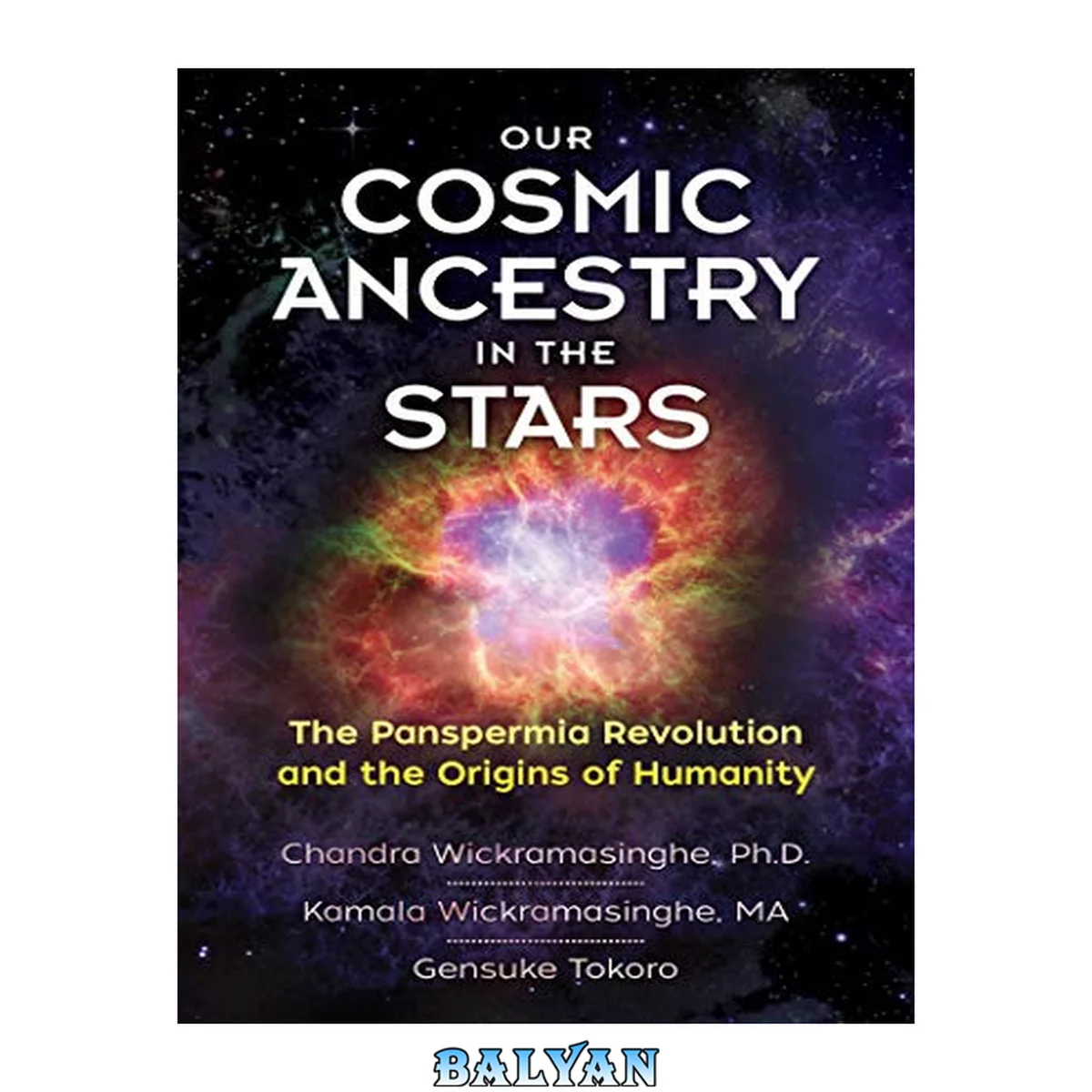
معرفی کتاب «Our Cosmic Ancestry in the Stars : the Panspermia Revolution and the Origins of Humanity» نوشتهٔ Chandra Wickramasinghe; Kamala Wickramasinghe; Gensuke Tokoro; Paul Harrington، منتشرشده توسط نشر Bear & Company در سال 2019. این کتاب در فرمت epub، زبان انگلیسی ارائه شده است.
An exploration of how acceptance of panspermia will soon change history • Offers extensive scientific proof of panspermia--that life arose on Earth via comets and that evolution is seeded by viruses arriving via comets and interstellar dust • Explores the major philosophical, psychological, cultural, religious, and environmental ramifications of the acceptance of this new scientific worldview Mainstream consensus is that life arose on Earth spontaneously out of “primordial soup.” Yet this theory, as well as the Darwinian “survival of the fittest” concept as it relates to major steps in evolution, has no scientific basis or proof. Where, then, did life come from? As the authors show, with conclusive scientific evidence, life came from space--a concept known as “panspermia.” We humans, and all other life on Earth, evolved over millennia in response to viruses that arrived via comets, and we continue to do so. Exploring the philosophical, psychological, cultural, and environmental ramifications of the acceptance of panspermia, the authors show how the shift will be on par with the Copernican Revolution--when it was finally accepted that the Earth was not the center of the Universe. Explaining the origins of the panspermia theory in the work of the late Sir Fred Hoyle, the authors reveal the vast body of evidence that has accumulated over the past 4 decades in favor of the cosmic origins of life, including viral inserts found in DNA that have shaped our human genome over millions of years. They show how the tiniest of viruses, microscopic animals (tardigrades), and even seeds have been found to be natural cosmonauts. The authors also show how space-borne viruses play a crucial role in the positive evolution of life and that our entire existence on this planet is contingent on the continuing ingress of cosmic viruses. Revealing how panspermia offers answers to some of humanity’s longstanding questions about the origins of life, the authors discuss the impact this shift in understanding will have on our relationship with the Earth and on culture, history, and religion. And perhaps the most dramatic ramification of all is that acceptance of panspermia means acceptance that Earth is not unique--that other life-filled planets exist and intelligent life is common in the Universe. Not only did we come from space, but we are not alone. Cover Image Title Page Epigraph Prologue. Our Inalienable Link to The Cosmos Chapter 1. Genesis of a Theory Chapter 2. The Deepest Questions Chapter 3. A Cosmic Creator? Chapter 4. The Nature of Consciousness Chapter 5. Viral Footprints in the Evolution to Homo sapiens sapiens Chapter 6. Unbridled Greed—A Cosmic Imperative? Chapter 7. Lessons from the Copernican Revolution Chapter 8. East Is East and West Is West Chapter 9. The Threat of Cometary Missiles Chapter 10. A Historical Context Chapter 11. So What if We Came from Space? Chapter 12. The World of 2100 Epilogue. The New Cosmic Worldview Bibliography About the Authors About Inner Traditions • Bear & Company Books of Related Interest Copyright & Permissions Index
دانلود کتاب Our Cosmic Ancestry in the Stars : the Panspermia Revolution and the Origins of Humanity