Other colours : essays and a story
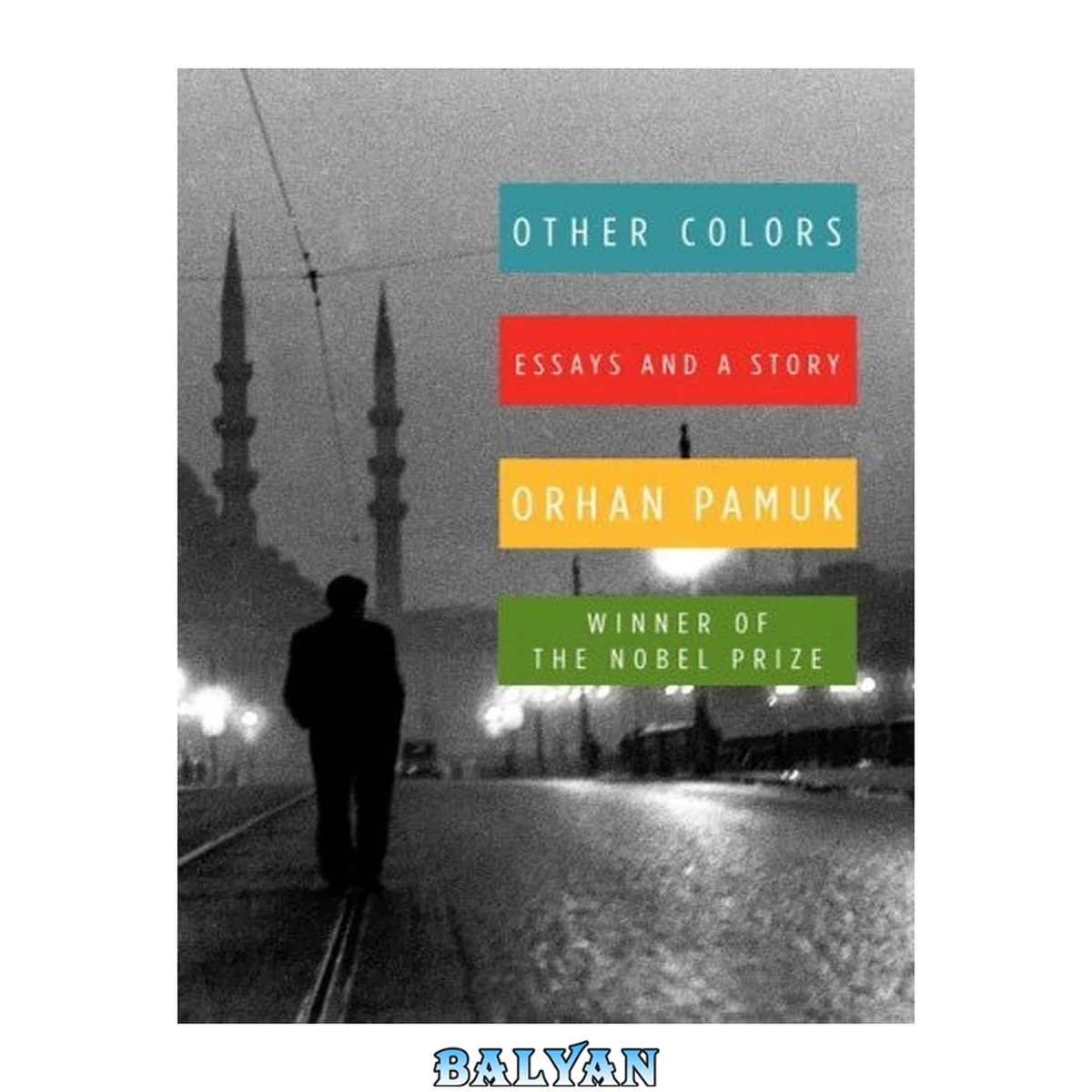
معرفی کتاب «Other colours : essays and a story» نوشتهٔ Orhan Pamuk, Maureen Freely (translation)، منتشرشده توسط نشر Alfred A. Knopf در سال 2007. این کتاب در فرمت epub، زبان انگلیسی ارائه شده است.
Orhan Pamuk’s first book since winning the Nobel Prize, Other Colors is a dazzling collection of essays on his life, his city, his work, and the example of other writers.Over the last three decades, Pamuk has written, in addition to his seven novels, scores of pieces—personal, critical, and meditative—the finest of which he has brilliantly woven together here. He opens a window on his private life, from his boyhood dislike of school to his daughter’s precocious melancholy, from his successful struggle to quit smoking to his anxiety at the prospect of testifying against some clumsy muggers who fell upon him during a visit to New York City. From ordinary obligations such as applying for a passport or sharing a holiday meal with relatives, he takes extraordinary flights of imagination; in extreme moments, such as the terrifying days following a cataclysmic earthquake in Istanbul, he lays bare our most basic hopes and fears. Again and again Pamuk declares his faith in fiction, engaging the work of such predecessors as Laurence Sterne and Fyodor Dostoyevsky, sharing fragments from his notebooks, and commenting on his own novels. He contemplates his mysterious compulsion to sit alone at a desk and dream, always returning to the rich deliverance that is reading and writing.By turns witty, moving, playful, and provocative, Other Colors glows with the energy of a master at work and gives us the world through his eyes, assigning every radiant theme and shifting mood its precise shade in the spectrum of significance. Orhan Pamuk's First Book Since Winning The Nobel Prize, Other Colors Is A Collection Of Essays On His Life, His City, His Work, And The Example Of Other Writers.--jacket. The Implied Author -- My Father -- Notes On April 19, 1994 -- Spring Afternoons -- Dead Tired In The Evening -- Out Of Bed, In The Silence Of Night -- When The Furniture Is Talking, How Can You Sleep? -- Giving Up Smoking -- Seagull In The Rain -- A Seagull Lies Dying On The Shore -- To Be Happy -- My Wristwatches -- I'm Not Going To School -- Rüya And Us -- When Rüya Is Sad -- The View -- What I Know About Dogs -- A Note On Poetic Justice -- After The Storm -- In This Place Long Ago -- The House Of The Man Who Has No One -- Barbers -- Fires And Ruins -- Frankfurter -- Bosphorus Ferries -- The Islands -- Earthquake -- Earthquake Angst In Istanbul -- How I Got Rid Of Some Of My Books -- On Reading: Words Or Images -- The Pleasures Of Reading -- Nine Notes On Book Covers -- To Read Or Not To Read : The Thousand And One Nights -- Foreword To Tristram Shandy: Everyone Should Have An Uncle Like This -- Victor Hugo's Passion For Greatness --^ Dostoyevsky's Notes From Underground : The Joys Of Degradation -- Dostoyevsky's Fearsome Demons -- The Brothers Karamazov -- Cruelty, Beauty, And Time : On Nabokov's Ada And Lolita -- Albert Camus -- Reading Thomas Bernhard At A Time Of Unhappiness -- The World Of Thomas Bernhard's Novels -- Mario Vargas Llosa And Third World Literature -- Salman Rushdie : The Satanic Verses And The Freedom Of The Writer -- Pen Arthur Miller Speech -- No Entry -- Where Is Europe? -- A Guide To Being Mediterranean -- My First Passport And Other European Journeys -- André Gide -- Family Meals And Politics On Religious Holidays -- The Anger Of The Damned -- Traffic And Religion -- In Kars And Frankfurt -- On Trial -- Who Do You Write For? -- The White Castle Afterword -- The Black Book : Ten Years On -- A Selection From Interviews On The New Life -- A Selection From Interviews On My Name Is Red -- On My Name Is Red-- From The Snow In Kars Notebooks -- Şirin's Surprise --^ In The Forest And As Old As The World -- Murders By Unknown Assailants And Detective Novels -- Entr'acte; Or, Ah, Cleopatra! -- Why Didn't I Become An Architect? -- Selimiye Mosque -- Bellini And The East -- Black Pen -- Meaning -- My First Encounters With Americans -- Views From The Capital Of The World -- The Paris Review Interview -- To Look Out The Window -- My Father's Suitcase. Orhan Pamuk ; Translated From The Turkish By Maureen Freely. Includes Index. Includes Bibliographical References And Index. 1. The implied author 2. My father 3. Notes on the 29th April 1994 4. Spring afternoons 5. Dead tired in the evening 6. Out of bed, in the silence of night 7. When the furniture is talking, how can you sleep? 8. Giving up smoking 9. Seagull in the rain 10. A seagull lies dying on the shore 11. To be happy 12. My wristwatches 13. I'm not going to school 14. Rüya and us 15. When rüya is sad 16. The view 17. What i know about dogs 18. A note on poetic justice 19. After the storm 20. In this place long ago 21. The house of the man who has no one 22. Barbers 23. Fires and ruins 24. Frankfurter 25. Bosphorus ferries 26. The islands 27. Earthquake 28. Earthquake angst in Istanbul 29. How i got rid of some of my books 30. On reading: words or images 31. The pleasures of reading 32. Nine notes on book covers 33. To read or not to read . . . the thousand and one nights 34. Foreword to Tristram Shandy: everyone should have an uncle like this 35. Victor Hugo 36. The joys of degradation 37. The terror of djinns 38. The brothers Karamazov 39. Cruelty, beauty, time 40. Albert Camus 41. Patricia Highsmith 42. Reading Thomas Bernhard at a time of unhappiness 43. The world of Thomas Bernhard's novels 44. Mario Vargas Llosa 45. In defence of Salman Rushdie 46. Pen Arthur Miller speech (with photographs) 47. No entry 48. Which part of Europe 49. An essay on the Mediterranean 50. My first passport - 51. Andre Gide 52. Holiday visits 53. Traffic and religion 54. In Kars and Frankfurt 55. My trial 56. Who do you write for? 57. The white castle afterword 58. The black book - 10 years on 59. A selection from interviews on The new life 60. A selection from interviews on My name is red 61. The red essay 62. An essay about The snow in Kars 63. Shirin's surprise (to be illustrated) 64. Murders by parties unknown 65. Entr'acte 66. Why didn't I become an architect? 67. Selimiye Mosque 68. Bellini and the East 69. Black pen (to be illustrated) 70. Memory 71. My first encounters with Americans 72. Views from the capital of the world 73. Paris Review interview 74. To look out the window. Orhan Pamuks first book since winning the Nobel Prize, Other Colors is a dazzling collection of essays on his life, his city, his work, and the example of other writers. Over the last three decades, Pamuk has written, in addition to his seven novels, scores of piecespersonal, critical, and meditativethe finest of which he has brilliantly woven together here. He opens a window on his private life, from his boyhood dislike of school to his daughters precocious melancholy, from his successful struggle to quit smoking to his anxiety at the prospect of testifying against some clumsy muggers who fell upon him during a visit to New York City. From ordinary obligations such as applying for a passport or sharing a holiday meal with relatives, he takes extraordinary flights of imagination; in extreme moments, such as the terrifying days following a cataclysmic earthquake in Istanbul, he lays bare our most basic hopes and fears. Again and again Pamuk declares his faith in fiction, engaging the work of such predecessors as Laurence Sterne and Fyodor Dostoyevsky, sharing fragments from his notebooks, and commenting on his own novels. He contemplates his mysterious compulsion to sit alone at a desk and dream, always returning to the rich deliverance that is reading and writing. By turns witty, moving, playful, and provocative, Other Colors glows with the energy of a master at work and gives us the world through his eyes, assigning every radiant theme and shifting mooditsprecise shadein the spectrum of significance. Orhan Pamuk’s first book since winning the Nobel Prize, Other Colors is a dazzling collection of essays on his life, his city, his work, & the example of other writers.Over the last three decades, Orhan has written, in addition to his seven novels, scores of pieces—personal, critical, & meditative—the finest of which he has brilliantly woven together here. He opens a window on his private life, from his boyhood dislike of school to his daughter’s precocious melancholy, from his successful struggle to quit smoking to his anxiety at the prospect of testifying against some clumsy muggers who fell upon him during a visit to New York City. From ordinary obligations such as applying for a passport or sharing a holiday meal with relatives, he takes extraordinary flights of imagination; in extreme moments, such as the terrifying days following a cataclysmic earthquake in Istanbul, he lays bare our most basic hopes and fears. Again & again Pamuk declares his faith in fiction, engaging the work of such predecessors as Laurence Sterne & Fyodor Dostoyevsky, sharing fragments from his notebooks, & commenting on his own novels. He contemplates his mysterious compulsion to sit alone at a desk & dream, always returning to the rich deliverance that is reading & writing.By turns witty, moving, playful, & provocative, Other Colors glows with the energy of a master at work & gives us the world through his eyes, assigning every radiant theme & shifting mood its precise shade in the spectrum of significance. A luminous essay collection about loneliness, contentment, and the books and cities that have shaped the experience of a Nobel Prize winner and the acclaimed author of My Name is Red.'One of the essential writers that both East and West can gratefully claim as their own.” —The New York Times Book Review In the three decades that Nobel prize-winning author Orhan Pamuk has devoted himself to writing fiction, he has also produced scores of witty, moving, and provocative essays and articles. He engages the work of Nabokov, Kundera, Rushdie, and Vargas Llosa, among others, and he discusses his own books and writing process. We also learn how he lives, as he recounts his successful struggle to quit smoking, describes his relationship with his daughter, and reflects on the controversy he has attracted in recent years. Here is a thoughtful compilation of a brilliant novelist's best nonfiction. In the three decades that Nobel prize-winning author Orhan Pamuk has devoted himself to writing fiction, he has also produced scores of witty, moving, and provocative essays and articles. He engages the work of Nabokov, Kundera, Rushdie, and Vargas Llosa, among others, and he discusses his own books and writing process. We also learn how he lives, as he recounts his successful struggle to quit smoking, describes his relationship with his daughter, and reflects on the controversy he has attracted in recent years. Here is a thoughtful compilation of a brilliant novelist's best nonfiction, offering different perspectives on his lifelong obsessions with loneliness, contentment, and the books and cities that have shaped his experience.From the Trade Paperback edition. A compilation of essays spanning three decades of work presents an array of criticism, autobiographical writings, and meditations on such topics as the writing process, romantic and parental love, and differing attitudes toward art in the East and West. Orhan Pamuk's first book since winning the Nobel Prize, Other Colours is a collection of essays on his life, his city, his work, and the example of other writers
دانلود کتاب Other colours : essays and a story