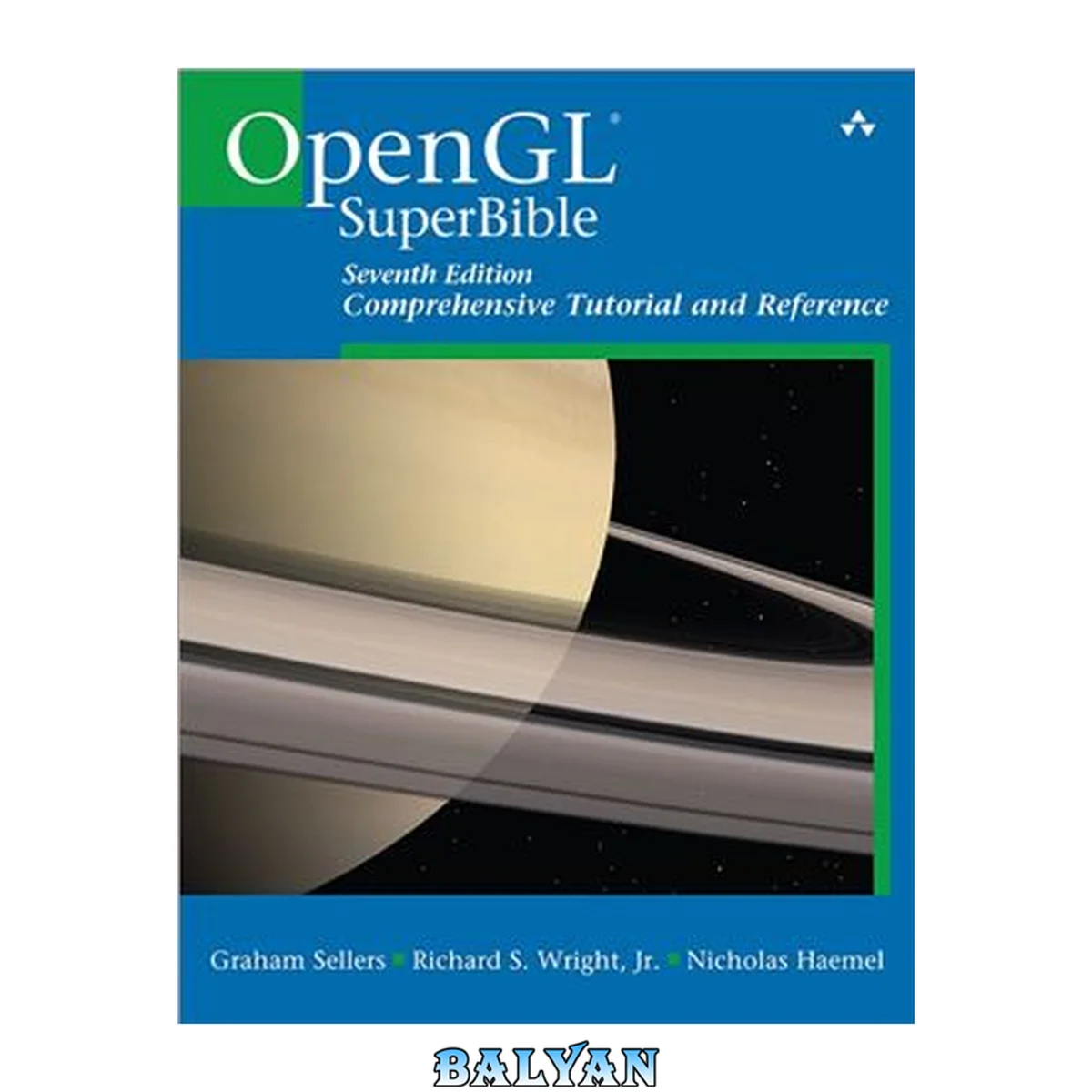
OpenGL Superbible : Comprehensive Tutorial and Reference
معرفی کتاب «OpenGL Superbible : Comprehensive Tutorial and Reference» نوشتهٔ Sellers G، Wright R.S. Jr و Haemel N، منتشرشده توسط نشر Addison-Wesley Professional در سال 2015. این کتاب در 880 صفحه، فرمت pdf، زبان انگلیسی ارائه شده است. «OpenGL Superbible : Comprehensive Tutorial and Reference» در دستهٔ برنامهنویسی قرار دارد.
کتاب «OpenGL Superbible» که به عنوان مرجعی جامع و راهنمایی گامبهگام برای برنامهنویسی با جدیدترین نسخهٔ این رابط برنامهنویسی کاربردی (API) یعنی OpenGL.5 شناخته میشود، توسط گراهام سلرز، ریچارد اس. رایت جونیور و نیکلاس هیمل نوشته شده است. این اثر که توسط انتشارات Addison-Wesley Professional منتشر شده، با زبانی شیوا و ساختاری آموزشی، از مفاهیم پایه تا تکنیکهای پیشرفتهٔ گرافیک سهبعدی را پوشش میدهد و منبعی معتبر برای توسعهدهندگان حرفهای و دانشجویان این حوزه محسوب میشود.
دربارهٔ کتاب —
کتاب «OpenGL Superbible» که نسخهٔ هفتم آن در سال ۲۰۱۵ منتشر شده، به عنوان راهنمای قطعی و مرجعی کامل برای توسعهدهندگانی است که قصد دارند با جدیدترین قابلیتهای OpenGL.5 آشنا شوند. این اثر به طور جامع به تشریح مفاهیم پایهای مانند خطلولهٔ گرافیکی (Graphics Pipeline)، نحوهٔ پردازش دادهها و همچنین مباحث پیشرفتهای چون شیدرها (Shaders) و زبان سایهزنی OpenGL (GLSL) میپردازد. یکی از نقاط قوت این کتاب، پرداختن به ویژگیهای جدیدی مانند کاهش چشمگیر سربار راننده (AZDO)، پسوندهای استاندارد ARB و KHR، و استفاده از شیدرهای محاسباتی (Compute Shaders) برای بهرهگیری از قدرت پردازش موازی کارتهای گرافیک است. سبک نگارش کتاب به گونهای است که مخاطب را گامبهگام با خود همراه میکند. مؤلفان با ارائهٔ مثالهای کاربردی و کدهای عملی، مفاهیم انتزاعی را به شکلی ملموس توضیح میدهند. ساختار کتاب به سه بخش اصلی «مبانی»، «در عمق» و «در عمل» تقسیم شده است؛ بخش اول به مفاهیم پایه و ریاضیات گرافیک سهبعدی اختصاص دارد، بخش دوم به جزییات خطلولهٔ گرافیکی میپردازد و بخش سوم شامل پیادهسازی تکنیکهای پیشرفتهای مانند مدلسازی نور، رندرینگ غیرواقعگرایانه (NPR) و جلوههای صفحهنمایش است.
دربارهٔ نویسنده
این کتاب به قلم سه تن از متخصصان برجستهٔ حوزهٔ گرافیک کامپیوتری نگاشته شده است. گراهام سلرز (Graham Sellers)، معمار نرمافزار و عضو ارشد مهندسی در شرکت AMD، نمایندهٔ این شرکت در هیئت معماری OpenGL (ARB) است و سهم بسزایی در توسعهٔ هستهٔ اصلی و پسوندهای این استاندارد داشته و مالک چندین پتنت در زمینهٔ گرافیک و پردازش تصویر است. ریچارد اس. رایت جونیور (Richard S. Wright, Jr.)، مهندس ارشد نرمافزار در شرکت Software Bisque و سازندهٔ نرمافزارهای نجومی و افلاکنمایی، سابقهٔ تدریس برنامهنویسی OpenGL را برای بیش از یک دهه در دانشگاه Full Sail در کارنامه دارد. نیکلاس هیمل (Nicholas Haemel) نیز که سمت مدیر نرمافزار دوربین در شرکت NVIDIA را بر عهده دارد، نمایندهٔ این شرکت در گروه استاندارد Khronos بوده و نویسندهٔ پسوندهای متعددی برای OpenGL است.
چرا باید «OpenGL Superbible» را بخوانید؟
مرجعی جامع و بهروز برای OpenGL.5: این کتاب به عنوان «مرجع قطعی» برای جدیدترین نسخهٔ این API شناخته میشود و تمامی جنبههای آن را از مفاهیم پایه تا تکنیکهای پیشرفته پوشش میدهد.
آموزش گامبهگام با مثالهای کاربردی: مؤلفان با ارائهٔ مثالهای عملی و کدهای قابل اجرا، مفاهیم پیچیده را به زبانی ساده و قابلدرک برای توسعهدهندگان توضیح دادهاند.
پوشش تکنیکهای پیشرفتهٔ بهینهسازی: این کتاب به طور ویژه به تکنیکهای جدیدی مانند «نزدیک شدن به سربار صفر راننده» (AZDO)، نگاشتهای پایدار (Persistent Maps) و بافتهای بدون محدودیت (Bindless Textures) برای افزایش چشمگیر کارایی میپردازد.
کاربردهای فراتر از گرافیک: با مطالعهٔ فصل مربوط به شیدرهای محاسباتی، یاد میگیرید که چگونه از قدرت پردازشی کارت گرافیک برای انجام محاسبات موازی غیرگرافیکی نیز استفاده کنید.
نوشته شده توسط متخصصان صنعت: این اثر حاصل تجربیات نویسندگانی است که نقش کلیدی در توسعهٔ خود OpenGL و استانداردهای مرتبط داشتهاند، که این امر بر اعتبار و عمق مطالب آن میافزاید.
این کتاب برای چه کسانی مناسب است؟
این کتاب برای طیف گستردهای از مخاطبان، از توسعهدهندگان بازیهای ویدئویی و نرمافزارهای گرافیکی گرفته تا دانشجویان علوم کامپیوتر و مهندسی نرمافزار که به دنبال یادگیری اصول و تکنیکهای پیشرفتهٔ گرافیک سهبعدی هستند، منبعی ارزشمند به شمار میرود. اگرچه کتاب برای مبتدیان در حوزهٔ OpenGL قابلاستفاده است، اما داشتن پیشزمینهای از زبان برنامهنویسی C++ و مفاهیم پایهٔ برنامهنویسی شیءگرا برای درک کامل مثالهای آن ضروری است. این کتاب به عنوان مرجعی جامع، هم برای افرادی که تازه شروع به کار کردهاند و هم برای برنامهنویسان حرفهای که به دنبال بهروزرسانی دانش خود با جدیدترین قابلیتهای OpenGL هستند، مناسب است.
سوالات متداول
آیا این کتاب برای یک مبتدی مطلق در حوزهٔ گرافیک کامپیوتری مناسب است؟
بله، این کتاب به عنوان «بهترین مقدمه» برای هر توسعهدهندهای شناخته میشود و مباحث را از صفر آغاز میکند. با این حال، مطالعهٔ آن برای افرادی که پیشزمینهای در برنامهنویسی ندارند، دشوار خواهد بود و آشنایی با زبان C++ پیشنیاز محسوب میشود.
آیا کدهای مثال در کتاب به خوبی کار میکنند و قابل دسترس هستند؟
مطالب تکمیلی و کدهای نمونهٔ این کتاب در وبسایت رسمی آن در دسترس است. با این حال، برخی از کاربران به این نکته اشاره کردهاند که مثالها به شدت به کتابخانهٔ اختصاصی نویسنده (sb7) وابسته هستند و ممکن است برای مبتدیان نیاز به بررسی و تنظیمات بیشتری داشته باشد.
تفاوت نسخهٔ هفتم این کتاب با نسخههای قبلی چیست؟
نسخهٔ هفتم به روزرسانی جامعی برای پشتیبانی از OpenGL.5 است و ویژگیهای جدیدی مانند پسوندهای ARB و KHR، تکنیکهای AZDO و کاربردهای جدید شیدرهای محاسباتی را پوشش میدهد. همچنین برخلاف نسخههای قبل، فصلهای مربوط به پیادهسازی در پلتفرمهای خاص از آن حذف شده تا کتاب به حجم ۸۸۰ صفحه محدود شود.
7th Edition. — Addison-Wesley Professional, 2015. — 880 p. — ISBN-10: 0-672-33747-9, ISBN-13: 978-0-672-33747-5. Supplements to the book can be found (/file/1730076/) here . OpenGL SuperBible, Seventh Edition, is the definitive programmer’s guide, tutorial, and reference for OpenGL 4.5, the world’s leading 3D API for real-time computer graphics. The best introduction for any developer, it clearly explains OpenGL’s newest APIs; key extensions; shaders; and essential, related concepts. You’ll find up-to-date, hands-on guidance for all facets of modern OpenGL development—both desktop and mobile. The authors explain what OpenGL does, how it connects to the graphics pipeline, and how it manages huge datasets to deliver compelling experiences. Step by step, they present increasingly sophisticated techniques, illuminating key concepts with worked examples. They introduce OpenGL on several popular platforms, and offer up-to-date best practices and performance advice. This revised and updated edition introduces many new OpenGL 4.5 features, including important ARB and KHR extensions that are now part of the standard. It thoroughly covers the latest Approaching Zero Driver Overhead (AZDO) performance features, and demonstrates key enhancements with new example applications. Coverage includes: A practical introduction to real-time 3D graphics, including foundational math. Core techniques for rendering, transformations, and texturing. Shaders and the OpenGL Shading Language (GLSL) in depth. Vertex processing, drawing commands, primitives, fragments, and framebuffers. Compute shaders: harnessing graphics cards for more than graphics. Pipeline monitoring and control. Managing, loading, and arbitrating access to data. Building larger applications and deploying them across platforms. Advanced rendering: light simulation, artistic and non-photorealistic effects, and more. Reducing CPU overhead and analyzing GPU behavior. Supercharging performance with persistent maps, bindless textures, and fine-grained synchronization. Preventing and debugging errors. New applications: texture compression, text drawing, font rendering with distance fields, high-quality texture filtering, and OpenMP. 7th Edition. — Addison-Wesley Professional, 2015. — 880 p. — ISBN-10: 0-672-33747-9, ISBN-13: 978-0-672-33747-5.__Supplements to the book can be found [here](/file/1730076/).__ OpenGL SuperBible, Seventh Edition, is the definitive programmer’s guide, tutorial, and reference for OpenGL 4.5, the world’s leading 3D API for real-time computer graphics. The best introduction for any developer, it clearly explains OpenGL’s newest APIs; key extensions; shaders; and essential, related concepts. You’ll find up-to-date, hands-on guidance for all facets of modern OpenGL development—both desktop and mobile. The authors explain what OpenGL does, how it connects to the graphics pipeline, and how it manages huge datasets to deliver compelling experiences. Step by step, they present increasingly sophisticated techniques, illuminating key concepts with worked examples. They introduce OpenGL on several popular platforms, and offer up-to-date best practices and performance advice. This revised and updated edition introduces many new OpenGL 4.5 features, including important ARB and KHR extensions that are now part of the standard. It thoroughly covers the latest Approaching Zero Driver Overhead (AZDO) performance features, and demonstrates key enhancements with new example applications. Coverage includes:A practical introduction to real-time 3D graphics, including foundational math.Core techniques for rendering, transformations, and texturing.Shaders and the OpenGL Shading Language (GLSL) in depth.Vertex processing, drawing commands, primitives, fragments, and framebuffers.Compute shaders: harnessing graphics cards for more than graphics.Pipeline monitoring and control.Managing, loading, and arbitrating access to data.Building larger applications and deploying them across platforms.Advanced rendering: light simulation, artistic and non-photorealistic effects, and more.Reducing CPU overhead and analyzing GPU behavior.Supercharging performance with persistent maps, bindless textures, and fine-grained synchronization.Preventing and debugging errors.New applications: texture compression, text drawing, font rendering with distance fields, high-quality texture filtering, and OpenMP. OpenGL® SuperBible, Seventh Edition, is the definitive programmer's guide, tutorial, and reference for OpenGL 4.5, the world's leading 3D API for real-time computer graphics. The best introduction for any developer, it clearly explains OpenGL's newest APIs; key extensions; shaders; and essential, related concepts. You'll find up-to-date, hands-on guidance for all facets of modern OpenGL development—both desktop and mobile. The authors explain what OpenGL does, how it connects to the graphics pipeline, and how it manages huge datasets to deliver compelling experiences. Step by step, they present increasingly sophisticated techniques, illuminating key concepts with worked examples. They introduce OpenGL on several popular platforms, and offer up-to-date best practices and performance advice. This revised and updated edition introduces many new OpenGL 4.5 features, including important ARB and KHR extensions that are now part of the standard. It thoroughly covers the latest Approaching Zero Driver Overhead (AZDO) performance features, and demonstrates key enhancements with new example applications. Coverage includes A practical introduction to real-time 3D graphics, including foundational math Core techniques for rendering, transformations, and texturing Shaders and the OpenGL Shading Language (GLSL) in depth Vertex processing, drawing commands, primitives, fragments, and framebuffers Compute shaders: harnessing graphics cards for more than graphics Pipeline monitoring and control Managing, loading, and arbitrating access to data Building larger applications and deploying them across platforms Advanced rendering: light simulation, artistic and non-photorealistic effects, and more Reducing CPU overhead and analyzing GPU behavior Supercharging performance with persistent maps, bindless textures, and fine-grained synchronization Preventing and debugging errors New applications: texture compression, text drawing, font rendering with distance fields, high-quality texture filtering, and OpenMP Bonus material and sample code are available at openglsuperbible.com. Graham Sellers, Richard S. Wright, Jr., Nicholas Haemel. Includes Index.