On the Critique of Forms of Life
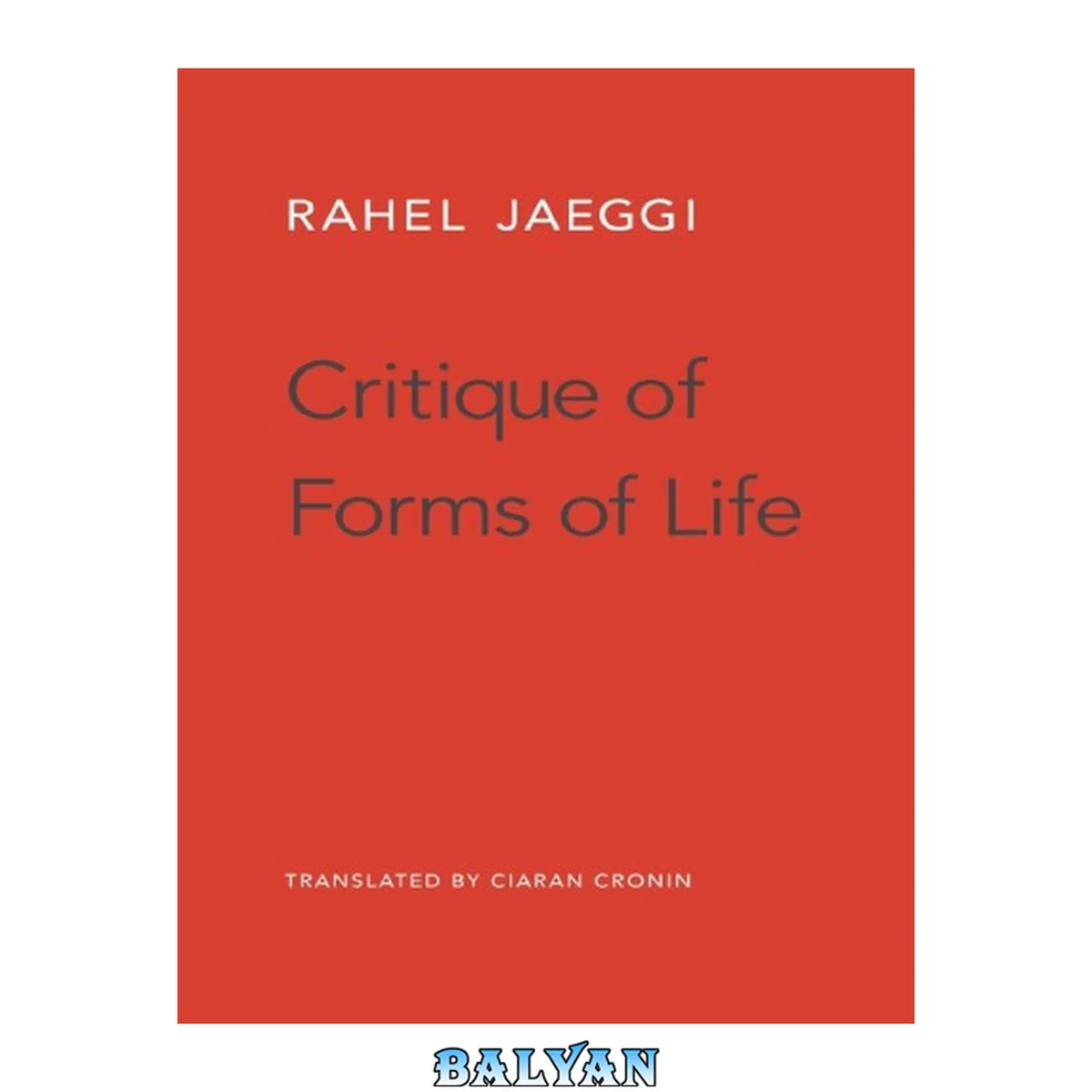
معرفی کتاب «On the Critique of Forms of Life» نوشتهٔ Rahel Jaeggi و Ciaran Cronin، منتشرشده توسط نشر Belknap Press: An Imprint of Harvard University Press در سال 2018. این کتاب در 473 صفحه، فرمت pdf، زبان انگلیسی ارائه شده است.
For Many Liberals, The Question Do Others Live Rightly? Feels Inappropriate. Liberalism Seems To Demand A Follow-up Question: Who Am I To Judge? Peaceful Coexistence, In This View, Is Predicated On Restraint From Morally Evaluating Our Peers. But Rahel Jaeggi Sees The Situation Differently. Criticizing Is Not Only Valid But Also Useful, She Argues. Moral Judgment Is No Error; The Error Lies In How We Go About Judging. One Way To Judge Is External, Based On Universal Standards Derived From Ideas About God Or Human Nature. The Other Is Internal, Relying On Standards Peculiar To A Given Society. Both Approaches Have Serious Flaws And Detractors. In On The Critique Of Forms Of Life, Jaeggi Offers A Third Way, Which She Calls Immanent Critique. Inspired By Hegelian Social Philosophy And Engaged With Anglo-american Theorists Such As John Dewey, Michael Walzer, And Alasdair Macintyre, Immanent Critique Begins With The Recognition That Ways Of Life Are Inherently Normative Because They Assert Their Own Goodness And Rightness. They Also Have A Consistent Purpose: To Solve Basic Social Problems And Advance Social Goods, Most Of Which Are Common Across Cultures. Jaeggi Argues That We Can Judge The Validity Of A Society's Moral Claims By Evaluating How Well The Society Adapts To Crisis--whether It Is Able To Overcome Contradictions That Arise From Within And Continue To Fulfill Its Purpose. Jaeggi Enlivens Her Ideas Through Concrete, Contemporary Examples. Against Both Relativistic And Absolutist Accounts, She Shows That Rational Social Critique Is Possible.-- Introduction: Against Ethical Abstinence -- Part I. An Ensemble Of Practices: Forms Of Life As Social Formations: What Is A Form Of Life? -- Form Of Life: Concept And Phenomenon -- Duration, Depth, Scope -- A Modular Concept Of Forms Of Life -- Forms Of Life As Inert Ensembles Of Practices -- What Are (social) Practices? -- The Interconnected Character Of Practices -- The Moment Of Inertia -- Practice, Criticism, Reflection -- Part Ii. Solutions To Problems: Forms Of Life As Normatively Constituted Formations: The Normativity Of Forms Of Life -- Norms And Normativity -- Modes Of Normativity -- Three Types Of Norm Justification -- Lack Of Correspondence With Its Concept -- Forms Of Life As Problem-solving Entities -- What Are Problems? -- Given Or Made? The Problem With Problems -- Attempts At Problem-solving: Hegel's Theory Of The Family -- Crises Of Problem-solving -- Second Order Problems -- Part Iii. Forms Of Criticism: What Is Internal Criticism?-- External And Internal Criticism -- The Strategy Of Internal Criticism -- Advantages And Limits Of Internal Criticism -- To Find The New World Through Criticism Of The Old One: Immanent Criticism -- Criticism Of A New Type -- The Strategy Of Immanent Criticism -- Potentials And Difficulties -- Part Iv. The Dynamics Of Crisis And The Rationality Of Social Change: Successful And Failed Learning Processes -- Change, Learning, Development, Progress -- Are Forms Of Life Capable Of Learning? -- Deficient Learning Processes -- Why Does History Matter? -- Crisis-induced Transformations: Dewey, Macintyre, Hegel -- Social Change As Experimental Problem-solving -- The Dynamics Of Traditions -- History As A Dialectical Learning Process -- Problem Or Contradiction? -- Problems As Indeterminateness -- Crisis As A Break In Continuity -- Crisis As Dialectical Contradiction -- The Problem With Contradiction -- The Dynamics Of Learning Processes-- Problem-solving As An Experimental Learning Process -- The Dynamics Of Traditions -- The Source Of Progress And Of Degeneration -- A Dialectical-pragmatist Understanding Of Learning Processes -- Conclusion: A Critical Theory Of Criticism Of Forms Of Life. Rahel Jaeggi ; Translated By Ciaran Cronin. This Book Was Originally Published As Kritik Von Lebensformen (c) Suhrkamp Verlag, Berlin 2014 --title Page Verso. Includes Bibliographical References And Index. Title Page......Page 2 Copyright......Page 3 Contents......Page 4 Preface......Page 7 Note on the Translation......Page 14 Introduction: Against “Ethical Abstinence”......Page 17 I. An Ensemble of Practices: Forms of Life as Social Formations......Page 55 1. What Is a Form of Life?......Page 57 1.1. Form of Life: Concept and Phenomenon......Page 58 1.2. Duration, Depth, Scope......Page 66 1.3. A Modular Concept of Forms of Life......Page 76 2. Forms of Life as Inert Ensembles of Practices......Page 80 2.1. What Are (Social) Practices?......Page 81 2.2. The Interconnected Character of Practices......Page 88 2.3. The Moment of Inertia......Page 103 2.4. Practice, Criticism, Reflection......Page 115 II. Solutions to Problems: Forms of Life as Normatively Constituted Formations......Page 117 3. The Normativity of Forms of Life......Page 120 3.1. Norms and Normativity......Page 122 3.2. Modes of Normativity......Page 127 3.3. Three Types of Norm Justification......Page 138 3.4. Lack of Correspondence with Its Concept......Page 155 4. Forms of Life as Problem-Solving Entities......Page 173 4.1. What Are Problems?......Page 175 4.2. Given or Made? The Problem with Problems......Page 181 4.3. Attempts at Problem-Solving: Hegel’s Theory of the Family......Page 189 4.4. Crises of Problem-Solving......Page 198 4.5. Second Order Problems......Page 209 III. Forms of Criticism......Page 219 5. What Is Internal Criticism?......Page 222 5.1. External and Internal Criticism......Page 223 5.2. The Strategy of Internal Criticism......Page 225 5.3. Advantages and Limits of Internal Criticism......Page 231 6. “To Find the New World through Criticism of the Old One”: Immanent Criticism......Page 239 6.1. Criticism of a New Type......Page 241 6.2. The Strategy of Immanent Criticism......Page 246 6.3. Potentials and Difficulties......Page 261 IV. The Dynamics of Crisis and the Rationality of Social Change......Page 268 7. Successful and Failed Learning Processes......Page 275 7.1. Change, Development, Learning, Progress......Page 276 7.2. Are Forms of Life Capable of Learning?......Page 281 7.3. Deficient Learning Processes......Page 285 7.4. Why Does History Matter?......Page 290 8. Crisis-Induced Transformations: Dewey, MacIntyre, Hegel......Page 293 8.1. Social Change as Experimental Problem-Solving......Page 295 8.2. The Dynamics of Traditions......Page 298 8.3. History as a Dialectical Learning Process......Page 301 9. Problem or Contradiction?......Page 304 9.1. Problems as Indeterminateness......Page 305 9.2. Crisis as a Break in Continuity......Page 309 9.3. Crisis as Dialectical Contradiction......Page 317 9.4. The Problem with Contradiction......Page 329 10. The Dynamics of Learning Processes......Page 336 10.1. Problem-Solving as an Experimental Learning Process......Page 339 10.2. The Dynamics of Traditions......Page 354 10.3. The Source of Progress and of Degeneration......Page 360 10.4. A Dialectical-Pragmatist Understanding of Learning Processes......Page 370 Conclusion: A Critical Theory of Criticism of Forms of Life......Page 387 Notes......Page 392 Index......Page 460 "For many liberals, the question "Do others live rightly?" feels inappropriate. Liberalism seems to demand a follow-up question: "Who am I to judge?" Peaceful coexistence, in this view, is predicated on restraint from morally evaluating our peers. But Rahel Jaeggi sees the situation differently. Criticizing is not only valid but also useful, she argues. Moral judgment is no error; the error lies in how we go about judging. One way to judge is external, based on universal standards derived from ideas about God or human nature. The other is internal, relying on standards peculiar to a given society. Both approaches have serious flaws and detractors. In On the Critique of Forms of Life, Jaeggi offers a third way, which she calls "immanent" critique. Inspired by Hegelian social philosophy and engaged with Anglo-American theorists such as John Dewey, Michael Walzer, and Alasdair MacIntyre, immanent critique begins with the recognition that ways of life are inherently normative because they assert their own goodness and rightness. They also have a consistent purpose: to solve basic social problems and advance social goods, most of which are common across cultures. Jaeggi argues that we can judge the validity of a society's moral claims by evaluating how well the society adapts to crisis--whether it is able to overcome contradictions that arise from within and continue to fulfill its purpose. Jaeggi enlivens her ideas through concrete, contemporary examples. Against both relativistic and absolutist accounts, she shows that rational social critique is possible"-- Résumé de l'éditeur
دانلود کتاب On the Critique of Forms of Life