بیوشیمی تغذیه، ویرایش دوم
Nutritional Biochemistry, Second Edition
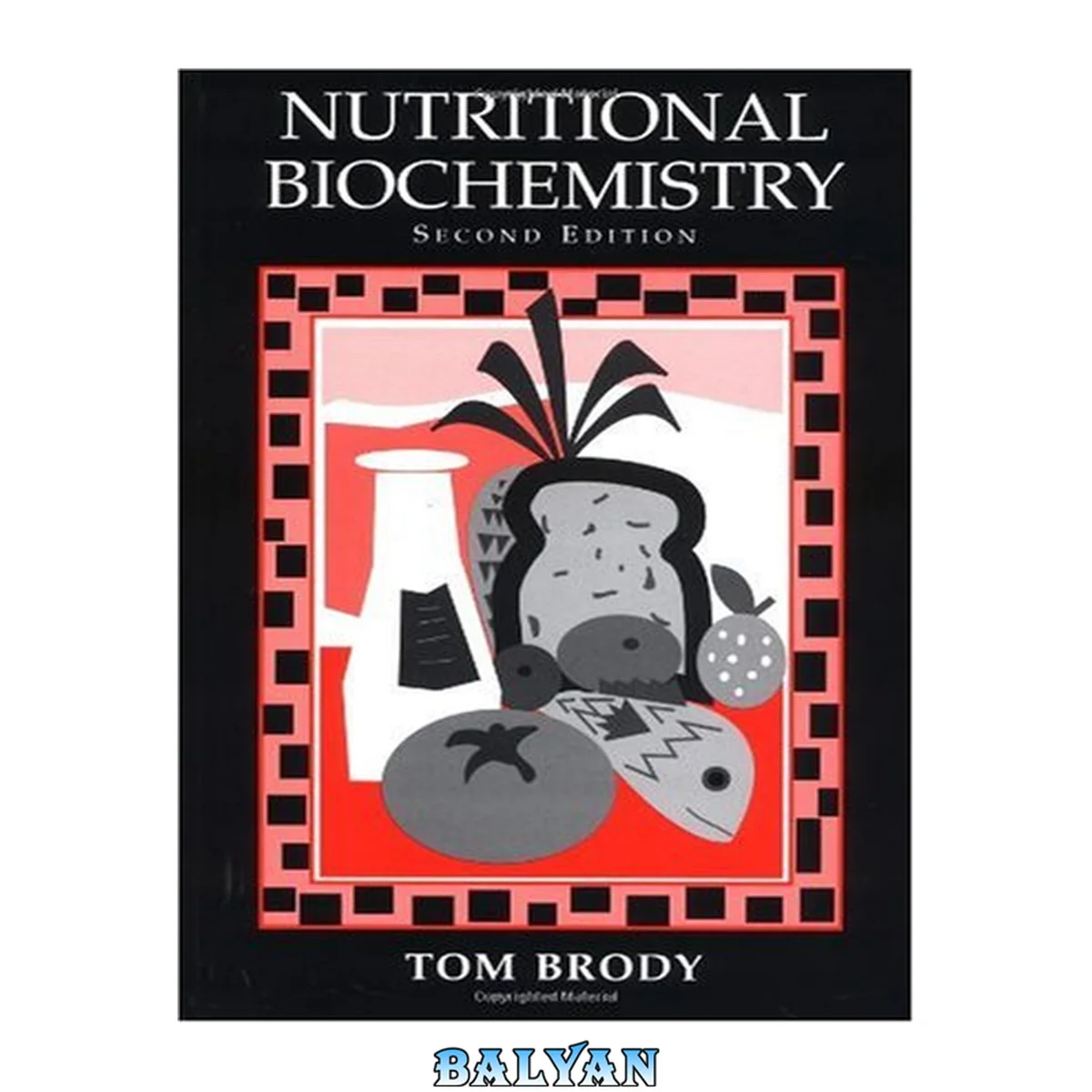
معرفی کتاب «بیوشیمی تغذیه، ویرایش دوم» (با عنوان لاتین Nutritional Biochemistry, Second Edition) نوشتهٔ Tom Brody (Author)، منتشرشده توسط نشر Academic Press در سال 1998. این کتاب در فرمت pdf، زبان انگلیسی ارائه شده است.
This is one of the best books I have ever read, for spcialists as well as lay readers. Wish all science books were written so clearly and comprehensively. Look forward very much to the third edition and prepared to reserve and pay for my copy as of now. Nabil Megalli, Cairo, Egypt Nutritional Biochemistry takes a scientific approach to nutrition. It covers not just "whats"--nutritional requirements--but why they are required for human health, by describing their function at the cellular and molecular level. Each case study either leads to a subsequent discovery or enables an understanding of the physiological mechanisms of action of various nutrition-related processes. The text is "picture-oriented" and the commentary is directed towards explaining graphs, figures, and tables.
Nutritional Biochemistry includes a discussion of relevant aspects of physiology, food chemistry, toxicology, pediatrics, and public health. Experimental techniques for nutritional science are emphasized, and primary data is included to help give students a feel for the nutrition literature. This "real-world" approach provides students with a realistic view of the basis for much of our understanding of nutritional biochemistry.
Nutritional Biochemistry includes a discussion of relevant aspects of physiology, food chemistry, toxicology, pediatrics, and public health. Experimental techniques for nutritional science are emphasized, and primary data is included to help give students a feel for the nutrition literature. This "real-world" approach provides students with a realistic view of the basis for much of our understanding of nutritional biochemistry.
* Integrates biochemistry and nutrition in a case-oriented method
* Emphasizes a hands-on approach to learning - case histories and clinical and research data illustrate all major points
* Places emphasis on metabolism - metabolic pathways, enzymology, nutrient requirements (including RDA values)
* Reveals the benefits of the Mediterranean diet, the biochemistry of exercise, the cell signaling pathways, how nutrition can influence the development of cancer, and the anthropometry and genetics of obesity. Nutritional Biochemistry is intended for students of nutrition and related biological sciences, as well as premedical, nursing, and animal science students. This exciting and unique book allows students to receive a hands-on perspective of the field. Each case study either leads to a subsequent discovery or enables an understanding of the physiological mechanisms of action of various nutrition-related processes. The text is "picture oriented" and the commentary directed toward explaining graphs, figures, and tables. This "real-world" approach allows students to come away with a realistically informed view of the basis for much of our understanding of nutritional biochemistry. Key Features Integrates biochemistry and nutrition in a case-oriented method Emphasizes a hands-on approach to learning - case histories and clinical and research data illustrate all major points Places emphasis on metabolism - metabolic pathways, enzymology, nutrient requirements (including RDA values) Reveals the benefits of the Mediterranean diet, the biochemistry of exercise, the cell signaling pathways, how nutrition can influence the development of cancer, and the anthropometry and genetics of obesity. Nutritional Biochemistry takes a scientific approach to nutrition. It covers not just "whats" -- nutritional requirements -- but why they are required for human health, by describing their function at the cellular and molecular level. Each case study either leads to a subsequent discovery or enables an understanding of the physiological mechanisms of action of various nutrition-related processes. The text is "picture-oriented" and the commentary is directed towards explaining graphs, figures, and tables.Nutritional Biochemistry includes a discussion of relevant aspects of physiology, food chemistry, toxicology, pediatrics, and public health. Experimental techniques for nutritional science are emphasized, and primary data is included to help give students a feel for the nutrition literature. This "real-world" approach provides students with a realistic view of the basis for much of our understanding of nutritional biochemistry. "Nutritional Biochemistry is intended for students of nutrition and related biological sciences, as well as premedical, nursing, and animal science students. This book allows students to receive a hands-on perspective of the field. Each case study either leads to a subsequent discovery or enables an understanding of the physiological mechanisms of action of various nutrition-related processes. The text is "picture oriented" and the commentary directed toward explaining graphs, figures, and tables. This "real-world" approach allows students to come away with a realistically informed view of the basis for much of our understanding of nutritional biochemistry."--Jacket
دانلود کتاب بیوشیمی تغذیه، ویرایش دوم
Nutritional Biochemistry includes a discussion of relevant aspects of physiology, food chemistry, toxicology, pediatrics, and public health. Experimental techniques for nutritional science are emphasized, and primary data is included to help give students a feel for the nutrition literature. This "real-world" approach provides students with a realistic view of the basis for much of our understanding of nutritional biochemistry.
- Integrates biochemistry and nutrition in a case-oriented method
- Emphasizes a hands-on approach to learning - case histories and clinical and research data illustrate all major points
- Places emphasis on metabolism - metabolic pathways, enzymology, nutrient requirements (including RDA values)
- Reveals the benefits of the Mediterranean diet, the biochemistry of exercise, the cell signaling pathways, how nutrition can influence the development of cancer, and the anthropometry and genetics of obesity
Nutritional Biochemistry includes a discussion of relevant aspects of physiology, food chemistry, toxicology, pediatrics, and public health. Experimental techniques for nutritional science are emphasized, and primary data is included to help give students a feel for the nutrition literature. This "real-world" approach provides students with a realistic view of the basis for much of our understanding of nutritional biochemistry.
* Integrates biochemistry and nutrition in a case-oriented method
* Emphasizes a hands-on approach to learning - case histories and clinical and research data illustrate all major points
* Places emphasis on metabolism - metabolic pathways, enzymology, nutrient requirements (including RDA values)
* Reveals the benefits of the Mediterranean diet, the biochemistry of exercise, the cell signaling pathways, how nutrition can influence the development of cancer, and the anthropometry and genetics of obesity. Nutritional Biochemistry is intended for students of nutrition and related biological sciences, as well as premedical, nursing, and animal science students. This exciting and unique book allows students to receive a hands-on perspective of the field. Each case study either leads to a subsequent discovery or enables an understanding of the physiological mechanisms of action of various nutrition-related processes. The text is "picture oriented" and the commentary directed toward explaining graphs, figures, and tables. This "real-world" approach allows students to come away with a realistically informed view of the basis for much of our understanding of nutritional biochemistry. Key Features Integrates biochemistry and nutrition in a case-oriented method Emphasizes a hands-on approach to learning - case histories and clinical and research data illustrate all major points Places emphasis on metabolism - metabolic pathways, enzymology, nutrient requirements (including RDA values) Reveals the benefits of the Mediterranean diet, the biochemistry of exercise, the cell signaling pathways, how nutrition can influence the development of cancer, and the anthropometry and genetics of obesity. Nutritional Biochemistry takes a scientific approach to nutrition. It covers not just "whats" -- nutritional requirements -- but why they are required for human health, by describing their function at the cellular and molecular level. Each case study either leads to a subsequent discovery or enables an understanding of the physiological mechanisms of action of various nutrition-related processes. The text is "picture-oriented" and the commentary is directed towards explaining graphs, figures, and tables.Nutritional Biochemistry includes a discussion of relevant aspects of physiology, food chemistry, toxicology, pediatrics, and public health. Experimental techniques for nutritional science are emphasized, and primary data is included to help give students a feel for the nutrition literature. This "real-world" approach provides students with a realistic view of the basis for much of our understanding of nutritional biochemistry. "Nutritional Biochemistry is intended for students of nutrition and related biological sciences, as well as premedical, nursing, and animal science students. This book allows students to receive a hands-on perspective of the field. Each case study either leads to a subsequent discovery or enables an understanding of the physiological mechanisms of action of various nutrition-related processes. The text is "picture oriented" and the commentary directed toward explaining graphs, figures, and tables. This "real-world" approach allows students to come away with a realistically informed view of the basis for much of our understanding of nutritional biochemistry."--Jacket