North America's Galapagos : The Historic Channel Islands Biological Survey
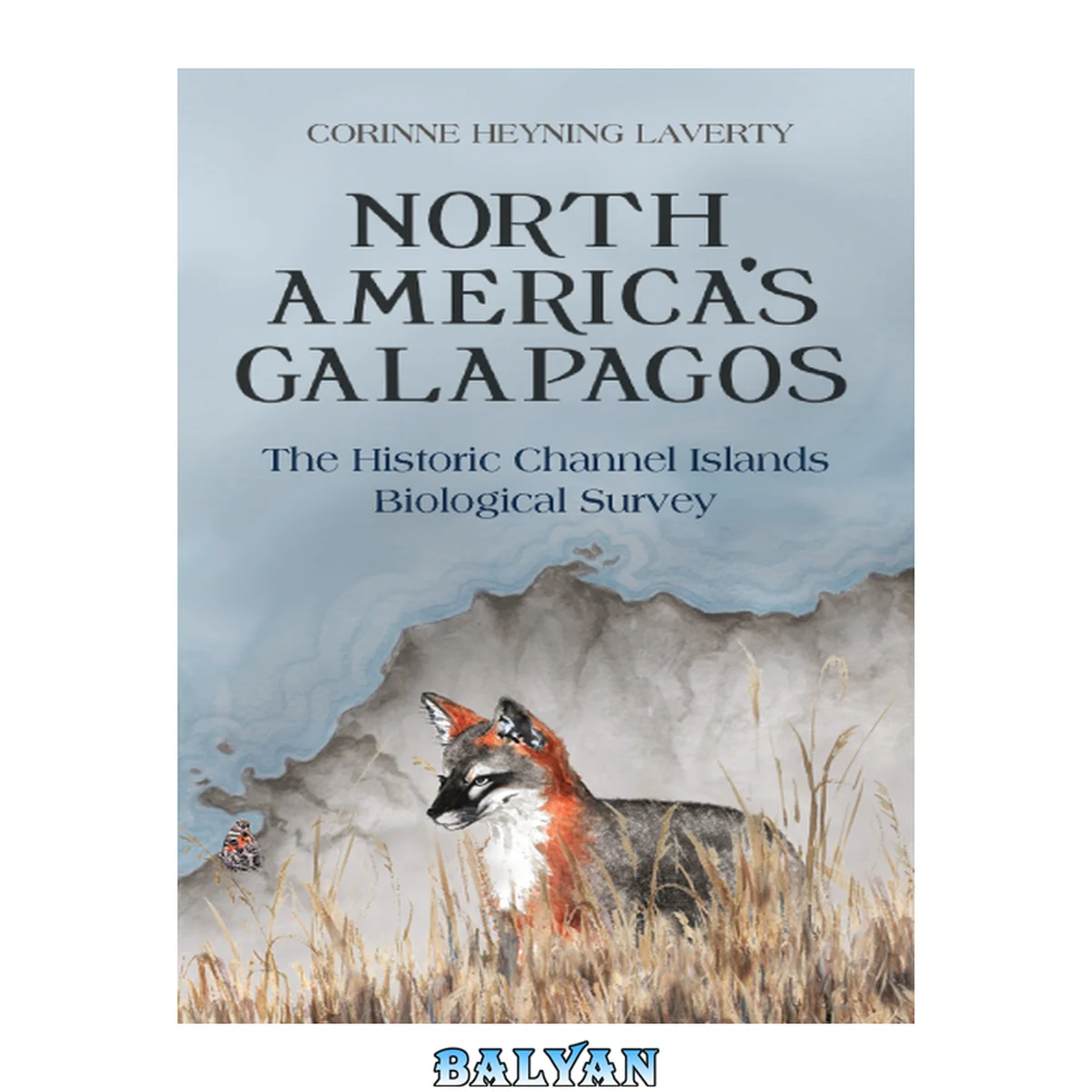
معرفی کتاب «North America's Galapagos : The Historic Channel Islands Biological Survey» نوشتهٔ Corinne Heyning Laverty، منتشرشده توسط نشر The University of Utah Press در سال 2020. این کتاب در فرمت epub، زبان انگلیسی ارائه شده است.
North America's Galapagos: The Historic Channel Islands Biological Survey recounts the story of a group of researchers, naturalists, adventurers, cooks, immigrants, and scientifically curious teenagers who came together in the late 1930s to embark upon a series of ambitious expeditions never before, or since, attempted. Their mission: to piece together the broken shards of the Channel Islands' history and evolution. California's eight Channel Islands, sometimes called "North America's Galapagos," each support unique ecosystems with varied flora and fauna and differing human histories. The thirty-three men and women who set out to explore the islands hoped to make numerous discoveries that would go down in history along with their names. More than eighty years ago, a lack of funds and dearth of qualified personnel dogged the pre-WWII expeditions, but it was only after America entered the war and the researchers were stranded on one of the islands that the survey was aborted, their work left for future scientists to complete. This untold saga of adventure, discovery, and goals abandoned is juxtaposed against the fresh successes of a new generation of Channel Island scholars. Engagingly written, North America's Galapagos illuminates the scientific process and reveals remarkable modern discoveries that are rewriting archaeological textbooks and unraveling the answer to the age-old question: how and when were the Americas populated? Anyone interested in the work conducted behind closed museum doors will want to read this book—so will history buffs, environmentalists, scientists, and general readers curious about our world. Visit the author's website: https://www.channelislandscalifornia.com/ North Americas Galapagos: The Historic Channel Islands Biological Survey recounts the story of a group of researchers, naturalists, adventurers, cooks, immigrants, and scientifically curious teenagers who came together in the late 1930s to embark upon a series of ambitious expeditions never before, or since, attempted. Their mission: to piece together the broken shards of the Channel Islands history and evolution. Californias eight Channel Islands, sometimes called North Americas Galapagos, each support unique ecosystems with varied flora and fauna and differing human histories. The thirty-three men and women who set out to explore the islands hoped to make numerous discoveries that would go down in history along with their names. More than eighty years ago, a lack of funds and dearth of qualified personnel dogged the pre-WWII expeditions, but it was only after America entered the war and the researchers were stranded on one of the islands that the survey was aborted, their work left for future scientists to complete. This untold saga of adventure, discovery, and goals abandoned is juxtaposed against the fresh successes of a new generation of Channel Island scholars. Engagingly written, North Americas Galapagos illuminates the scientific process and reveals remarkable modern discoveries that are rewriting archaeological textbooks and unraveling the answer to the age-old question: how and when were the Americas populated? Anyone interested in the work conducted behind closed museum doors will want to read this bookso will history buffs, environmentalists, scientists, and general readers curious about our world. Visit the author's website:(https://www.channelislandscalifornia.com/) https://www.channelislandscalifornia.... North America's Galapagos: The Historic Channel Islands Biological Survey' recounts the story of a group of researchers, naturalists, adventurers, cooks, immigrants, and scientifically curious teenagers who came together in the late 1930s to embark upon a Series of ambitious expeditions never before, or since, attempted. Their mission: to piece together the broken shards of the Channel Islands' history and evolution. California's eight Channel Islands, sometimes called 'North America's Galapagos' each support unique ecosystems with varied flora and fauna and differing human histories. The thirty-three men and women who set out to explore the islands hoped to make numerous discoveries that would go down in history along with their Names. More than eighty years ago, a lack of funds and dearth of qualified personnel dogged the pre-WWII expeditions, but it was only after America entered the war and the researchers were stranded on one of the islands that the survey was aborted, their work left for future scientists to complete.0This untold saga of adventure, discovery, and goals abandoned is juxtaposed against the fresh successes of a new generation of Channel Island scholars. 0'North America's Galapago's illuminates the scientific process and reveals remarkable modern discoveries that are rewriting archaeological textbooks and unraveling the answer to the age-old question: how and when were the Americas populated? "Laverty has researched and written about the Channel Islands Biological Survey conducted just prior to World War II off the coast of southern California and aborted due to the war and island location. The manuscript illuminates the scientific process and delves into the realities and difficulties of scientific fieldwork in the late 1930s. It also tells the behind-the-scenes story of the work of a natural history museum. The eight Channel Islands each support different ecosystems, both flora and fauna, and human histories. Five of the eight islands comprise Channel Islands National Park. The expedition researchers--John Adams Comstock, Art Woodward, Jack von Bloeker Jr., and Don Meadows--hoped to achieve the exhilaration and recognition from new discoveries but were thwarted by the war and their inability to complete and publish the survey data. However, early archaeology done on the islands, some by the biological survey crew, initiated on-going work there. Prehistoric sites found on the islands have less pothunting and destruction than those on the mainland, hence they are more productive for addressing numerous questions. Today, they are helping to answer questions about the routes and timing for the peopling of the Americas"--Provided by publisher.
دانلود کتاب North America's Galapagos : The Historic Channel Islands Biological Survey