Newnes Guide to Television and Video Technology,: The Guide for the Digital Age - from HDTV, DVD and flat-screen technologies to Multimedia Broadcasting, Mobile TV and Blu Ray
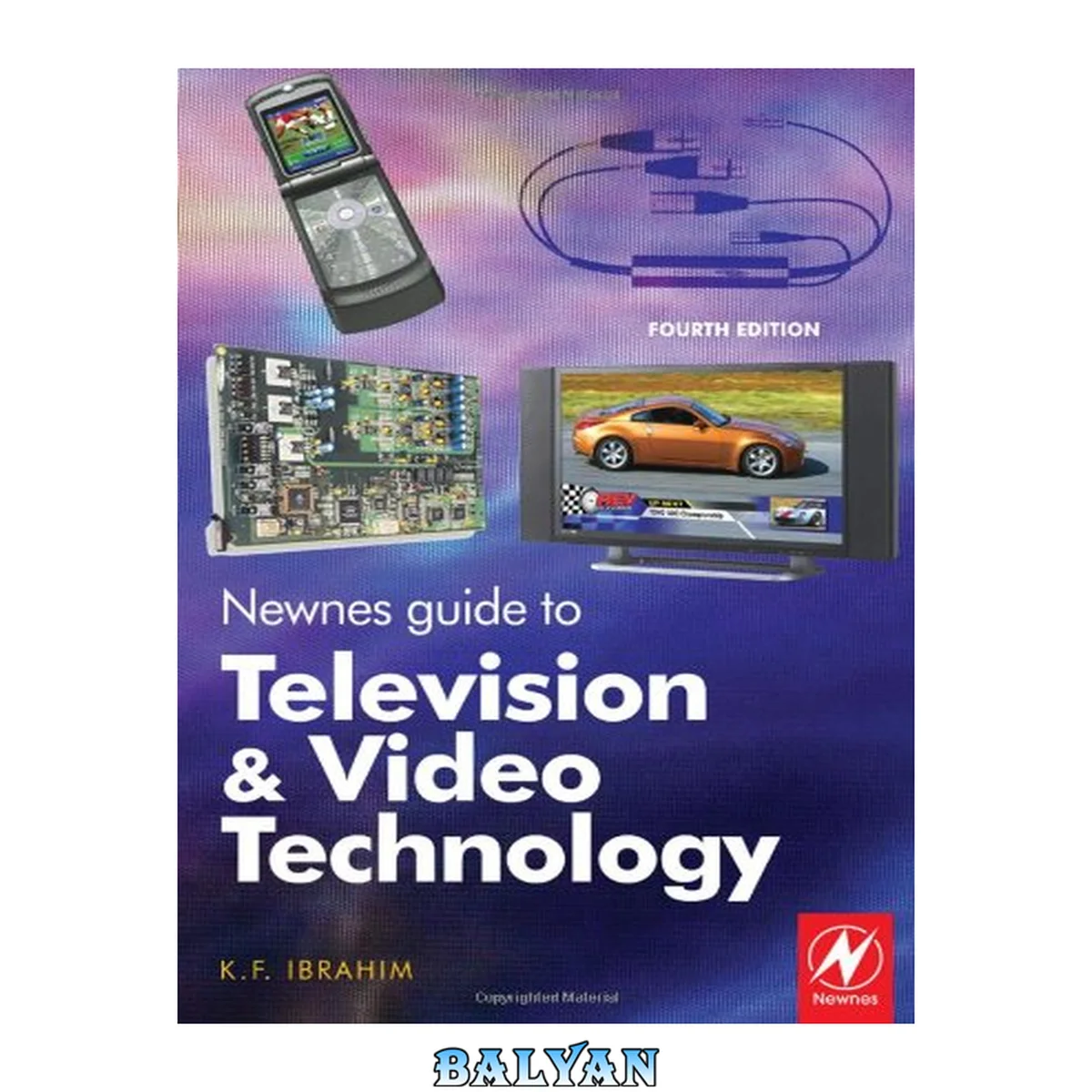
معرفی کتاب «Newnes Guide to Television and Video Technology,: The Guide for the Digital Age - from HDTV, DVD and flat-screen technologies to Multimedia Broadcasting, Mobile TV and Blu Ray» نوشتهٔ K. F. Ibrahim، منتشرشده توسط نشر Elsevier / Newnes در سال 2007. این کتاب در فرمت wmv، زبان انگلیسی ارائه شده است.
This book provides a full and comprehensive coverage of video and television technology including the latest developments in display equipment, HDTV and DVD. Starting with TV fundamentals, the bulk of the book covers the many new technologies that are bringing growth to the TV and video market, such as plasma and LCD, DLP (digital light processing), DVD, Blu ray technology, Digital television, High Definition television (HDTV) and video projection systems. For each technology, a full explanation is provided of its operation and practical application, supported by over 300 diagrams including schematic diagrams of commercially available consumer equipment. Where relevant, testing and fault finding procedures are outlined together with typical fault symptoms supported by photographs. The new edition has a number of useful appendices on microcomputer/microcontroller systems, test instruments, serial buses (I2C and RS 232), teletext and error correction techniques. The book is intended for students of electronics and practicing engineers. In particular, it will useful for students on vocational courses and service engineers as well as enthusiasts. *The definitive guide to the new technologies transforming the world of television: HDTV, Digital TV, DVD recorders, hard disk recorders, wide-screen CRT, flat screen technologies... *A practical approach, including troubleshooting and servicing information *Covers UK, European and North American systems This book includes a survey of all RFID fundamentals and practices in the first part of the book while the second part focuses on UHF passive technology. This coverage of UHF technology and its components including tags, readers, and antennas is essential to commercial implementation in supply chain logistics and security.
Readers of this book should have an electrical engineering background but have not yet dealt with RFID. To this end, Dr. Dobkin is very careful to illustrate all concepts and detail his explanations meticulously. In this way he brings the reader along organically showing him/her what to expect, develop, and use while implementing an RFID system.
Chapter 1:Introduction
Chapter 2: History and Practice of RFID
Chapter 3: Radio Basics For UHF RFID
Chapter 4: UHF RFID Readers
Chapter 5: UHF RFID Tags
Chapter 6: Reader Antennas
Chapter 7: Tag Antennas
Chapter 8: UHF RFID Protocols
Afterword
Appendix 1: Radio Regulations
Appendix 2: Harmonic Functions
Appendix 3: Resistance, Impedance and Switching
Appendix 4: Reflection and Matching
*This technology is happening NOW at major chain stores such as Wal-Mart and Target
*RFID revenues are estimated to soar to about $7 billion by 2008
*Companion website provides full-color images, spreadsheets, an open-source example graphical user interface, and demo versions of commercial software This book includes a survey of all RFID fundamentals and practices in the first part of the book while the second part focuses on UHF passive technology. This coverage of UHF technology and its components including tags, readers, and antennas is essential to commercial implementation in supply chain logistics and security. Readers of this book should have an electrical engineering background but have not yet dealt with RFID. To this end, Dr. Dobkin is very careful to illustrate all concepts and detail his explanations meticulously. In this way he brings the reader along organically showing him/her what to expect, develop, and use while implementing an RFID system. This technology is happening NOW at major chain stores such as Wal-Mart and Target RFID revenues are estimated to soar to about $7 billion by 2008 "RFID (radio frequency identification) technology is rapidly growing in the manufacturing, warehousing, distribution, shipping, and retailing of goods and merchandise. Little "tags" attached to each item of shipment allow "reader" devices to determine the nature, location, and classification of each item. But to really understand RFID technology, you have to understand radio frequency concepts, theory, and applications. In this book, author Daniel M. Dobkin gives you the intellectual "tool kit" you'll need to successfully use RFID technology in a variety of applications."--Résumé de l'éditeur "RFID (radio frequency identification) technology is rapidly growing in the manufacturing, warehousing, distribution, shipping, and retailing of goods and merchandise. Little "tags" attached to each item of shipment allow "reader" devices to determine the nature, location, and classification of each item. But to really understand RFID technology, you have to understand radio frequency concepts, theory, and applications. In this book, author Daniel M. Dobkin gives you the intellectual "tool kit" you'll need to successfully use RFID technology in a variety of applications."--Jacket
دانلود کتاب Newnes Guide to Television and Video Technology,: The Guide for the Digital Age - from HDTV, DVD and flat-screen technologies to Multimedia Broadcasting, Mobile TV and Blu Ray
Readers of this book should have an electrical engineering background but have not yet dealt with RFID. To this end, Dr. Dobkin is very careful to illustrate all concepts and detail his explanations meticulously. In this way he brings the reader along organically showing him/her what to expect, develop, and use while implementing an RFID system.
Chapter 1:Introduction
Chapter 2: History and Practice of RFID
Chapter 3: Radio Basics For UHF RFID
Chapter 4: UHF RFID Readers
Chapter 5: UHF RFID Tags
Chapter 6: Reader Antennas
Chapter 7: Tag Antennas
Chapter 8: UHF RFID Protocols
Afterword
Appendix 1: Radio Regulations
Appendix 2: Harmonic Functions
Appendix 3: Resistance, Impedance and Switching
Appendix 4: Reflection and Matching
*This technology is happening NOW at major chain stores such as Wal-Mart and Target
*RFID revenues are estimated to soar to about $7 billion by 2008
*Companion website provides full-color images, spreadsheets, an open-source example graphical user interface, and demo versions of commercial software This book includes a survey of all RFID fundamentals and practices in the first part of the book while the second part focuses on UHF passive technology. This coverage of UHF technology and its components including tags, readers, and antennas is essential to commercial implementation in supply chain logistics and security. Readers of this book should have an electrical engineering background but have not yet dealt with RFID. To this end, Dr. Dobkin is very careful to illustrate all concepts and detail his explanations meticulously. In this way he brings the reader along organically showing him/her what to expect, develop, and use while implementing an RFID system. This technology is happening NOW at major chain stores such as Wal-Mart and Target RFID revenues are estimated to soar to about $7 billion by 2008 "RFID (radio frequency identification) technology is rapidly growing in the manufacturing, warehousing, distribution, shipping, and retailing of goods and merchandise. Little "tags" attached to each item of shipment allow "reader" devices to determine the nature, location, and classification of each item. But to really understand RFID technology, you have to understand radio frequency concepts, theory, and applications. In this book, author Daniel M. Dobkin gives you the intellectual "tool kit" you'll need to successfully use RFID technology in a variety of applications."--Résumé de l'éditeur "RFID (radio frequency identification) technology is rapidly growing in the manufacturing, warehousing, distribution, shipping, and retailing of goods and merchandise. Little "tags" attached to each item of shipment allow "reader" devices to determine the nature, location, and classification of each item. But to really understand RFID technology, you have to understand radio frequency concepts, theory, and applications. In this book, author Daniel M. Dobkin gives you the intellectual "tool kit" you'll need to successfully use RFID technology in a variety of applications."--Jacket