Neurobiology of Alcohol and the Brain
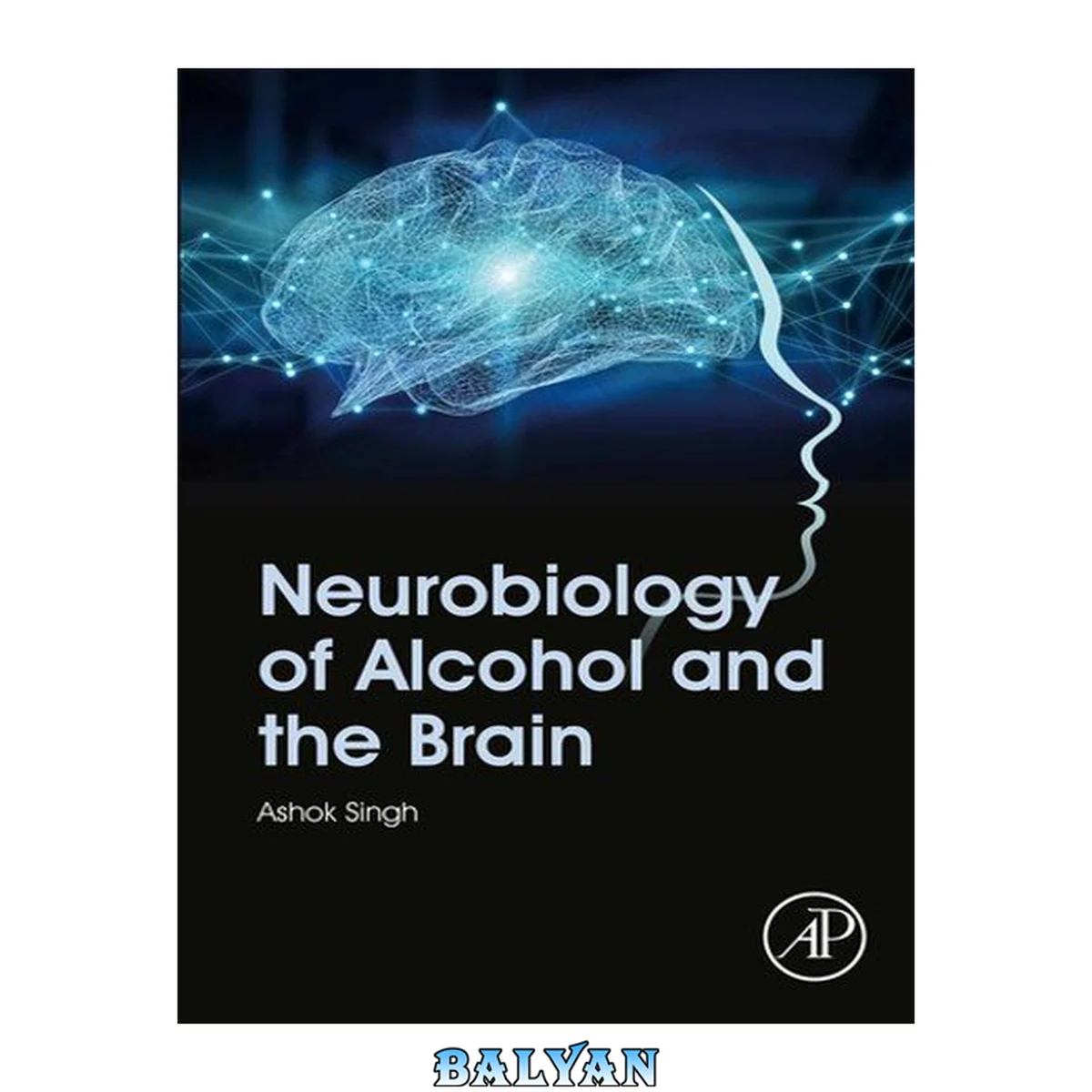
معرفی کتاب «Neurobiology of Alcohol and the Brain» نوشتهٔ Ashok K. Singh، منتشرشده توسط نشر Academic Press is an imprint of Elsevier در سال 2020. این کتاب در فرمت pdf، زبان انگلیسی ارائه شده است.
According to the 2018 National Survey on Drug Use and Health, 14.4 million adults aged 18 and older had alcohol use disorder (AUD). Mixing alcohol with other drugs such as opioids or cocaine has become an emerging trend, exacerbating public health concerns and may synergistically augment the seriousness of the adverse effects such as withdrawal symptoms, cardiovascular disorders, liver damage, reproductive abnormalities, and behavioral abnormalities. Despite the seriousness of the situation, possible mechanisms underlying the addiction and the withdrawal symptoms is not yet understood. This has been one of the key hindrances in developing effective treatment. __Neurobiology of Alcohol and the Brain__ addresses the addiction-related problems reviewing both the mechanisms and withdrawal system with alcohol addiction. First, the book discusses the mechanisms of the rewarding and aversive effects, including addiction and the withdrawal symptoms of alcohol drinking. Next, alcohol's interaction with other drugs and ensuing adverse consequences is discussed including current and novel treatments against alcoholism. This is followed by a closer look at mental health and alcohol use disorder comorbidity. Lastly, the reader is provided with examples of an experimental study that describes possible protective effects of gold nanoparticles against alcohol addiction in rats subjected to alcohol self-administration. __Neurobiology of Alcohol and the Brain__ will unlock the mechanistic diversities of alcoholism helping to facilitate future developments of new, personalized treatment options for patients suffering from alcohol addiction. Front-Matter_2021_Neurobiology-of-Alcohol-and-the-Brain Front Matter Copyright_2021_Neurobiology-of-Alcohol-and-the-Brain Copyright Preface_2021_Neurobiology-of-Alcohol-and-the-Brain Preface References 1---Journey-from-responsible-alcohol-drinkin_2021_Neurobiology-of-Alcohol-an Journey from responsible alcohol drinking to alcoholism Scope of alcohol abuse Alcohol responsive brain regions and networks Alcohol-responsive brain regions Neuronal networks of the alcohol-responsive brain regions Structure and function of receptors associated with alcohol-response Opioid receptors (OPRs) Opioid receptor subtypes and structure Synthesis and trafficking of opioid receptors Pharmacological aspects of opioid receptors Dopamine receptors (DARs) Basic structure of DARs DAR polymerization GABA, Glutamate, and glycine receptors Ionotropic receptors-GABA type-A receptor Ionotropic receptors-Excitatory glutamate receptors Metabotropic GABAB receptors Metabotropic-glutamate receptors Opioid receptor coupling to the G-protein activated inwardly rectifying potassium (GIRK) channels Serotonin (5-HT) receptors Binding of ethanol to synaptic and extrasynaptic receptors Modulation of Cl- channels by ethanol Effects of ethanol on receptor internalization and tolerance Positive/negative reinforcements of acute alcohol drinking Alcohols euphoric (reward) effects during rising BAC Alcohols aversive effects during declining BAC Brain reward circuitry and the concept of trigger zone Hangover and tolerance Hangover Tolerance Development of alcohol addiction (alcoholism) Genetic predisposition to alcoholism Gene-environment (GxE) interaction ADH/ALDHxenvironment 5HT transporter genexenvironment GABRAxenvironment Dopamine transporter 1 genexenvironment Anatomical changes in alcohol-addicted brain Permanent brain damage Transient brain damage Alcohol withdrawal syndrome Conclusions References 2---Interaction-of-alcohol-with-drugs-of-abu_2021_Neurobiology-of-Alcohol-an Interaction of alcohol with drugs of abuse and medicines Alcohol-Drugs-of-abuse (DOA) interaction Introduction Common mechanisms of alcohol-DOA interactions Pharmacokinetic mechanisms of alcohol-drug interactions Pharmacodynamics of alcohol-drug interactions Specific alcohol-drug interactions Alcohol-cocaine interaction Alcohol-methamphetamine interactions Nicotine Alcohol-opioid interactions Alcohol-cannabis interactions Alcohol-GHBA interactions Conclusion Alcohol-medicine (prescription/over the counter) interaction Alcohol-Interactive (AI) and alcohol-noninteractive (ANI) medicines Mechanisms of alcohol-medicine interaction Alcohol dehydrogenase (ADH) and aldehyde dehydrogenase (ALDH) Structure and function of p450 (CYP) enzymes Effects of ethanol on p450-medicine interaction Acute and chronic effects of ethanol on CYP-medicine interaction Induction via protein stabilization Aryl hydrocarbon receptor (AhR)-mediated induction Constitutive androstane receptor (CAR) mediated induction Acute and chronic effects of ethanol on medicine metabolism Alcohol-CYP3A4 interaction-Implications in HIV treatment Conclusions References 3---Mental-health-and-alcohol-use-disorder--_2021_Neurobiology-of-Alcohol-an Mental health and alcohol use disorder (AUD) comorbidity Introduction Homeostasis, allostasis, and allostatic load Homeostasis Allostasis Stress: Primary mediators of mental illness? Interaction between the brain and the hypothalamus-pituitary-adrenal axis Acute stress Chronic stress: Mechanisms and consequences Stress-alcohol interaction Neurobiology of mental disorders and comorbidities General considerations Neurotransmitters (NTs) Mental disorder and alcohol use disorder comorbidity Epidemiology Comorbidity mechanisms Schizophrenia-Epidemiology, mechanisms, and comorbidity Epidemiology and mechanisms Schizophrenia and alcohol use disorder Bipolar disorders BD epidemiology and pathophysiology The genetic factors for BD Gene-environment interaction hypothesis The neurotransmitter interaction hypothesis The glutamate and GABA hypothesis Connectome and the hypothesis of interoception Bipolar disorder and alcohol use comorbidity BD alcohol comorbidity epidemiology Genetic mechanisms of comorbidity Nitric oxide mediated synaptic plasticity Fear and anxiety disorders Neurobiology of anxiety disorders The brain regions A transition from prefrontal cortex to amygdala Inflation of the threat The neurotransmitters The comorbidity of anxiety disorders and AUDs Epidemiology Neurotransmitters Posttraumatic stress disorder (PTSD) Symptom clusters Causality in PTSD neural abnormalities Comorbidity of PTSD and alcohol use disorder Epidemiology PTSD and AUD (or SUD) comorbidity References 4---Traditional-treatment-strategies-for-alcohol_2021_Neurobiology-of-Alcoho Traditional treatment strategies for alcoholism and the withdrawal symptoms Introduction Management of alcohol withdrawal symptoms Pharmacological management of alcohol withdrawal symptoms Benzodiazepines Carbamazepine Chlormethiazole Buspirone, a nonbenzodiazepine anxiolytic Adjuvant treatments Application of herbal remedies in withdrawal management Management of alcoholism and relapse Nonpharmacological psychosocial management of alcoholism Involvement of a social worker Biopsychosocial (BPS) therapy/interventions Pharmacological management of alcohol addiction Herbal therapy of alcoholism Pharmacogenetics, pharmacogenomics, and genomic therapy of alcoholism Pharmacogenetics Pharmacogenomics Gene transfer therapy of alcoholism Neurosurgical methods: Lobotomy and brain stimulation The brain lobotomy Deep brain stimulation Therapeutic potentials of DBS How does DBS effectively manage the etiologically diverse brain disorders? DBS stimulates as well as inhibits neuronal firing. DBS propagates antidromic current that blocks the orthodromic current in neurons DBA disrupts abnormal disease-encoding information flow Basic concept of information flow in biological systems Direct protective effects of DBS Adverse effects of deep brain stimulation Treatment strategies for psychiatric-Alcohol use disorder (AUD) comorbidity Risk factors and comorbidity Conclusions and future research Appendix References 5---Novel-nanoparticle-based-treatment-a_2021_Neurobiology-of-Alcohol-and-th Novel nanoparticle-based treatment approaches Introduction to nanoparticles Structure of nanoparticles Metal nanoparticles Micelle, liposomes, solid-lipid nanoparticles: Polymeric nanoparticles Carbon nanotubes (CNTs) Dendrimers Physicochemical properties of nanoparticles Common properties of all ENPs The surface reactivity Size-dependent thermodynamic properties Electronic properties Optical properties Mechanical properties Particle-specific physicochemical properties Dendrimers Properties of carbon nanotubes-Metals or semiconductors Magnetic ENPs Surface functionalization-A critical step for NP functionality Application of nanoparticles in addiction treatment Gene silencing using delivery of nanorod-siRNA-nanoplex in Dopamineergic neurons Synthesis of the nanoplexes Knockdown of DARPP-32 gene expression Relevance to addiction treatment Programmable transdermal therapeutic agents delivery through voltage-gated carbon nanotube membranes Cerium oxide nanoparticle (CNP), anti-oxidation and promotion of neurogenesis Anti-oxidative properties of cerium oxide nanoparticles Promotion of neurogenesis by CNP Relevance to alcoholism treatment 3D-printed gold nanocomposite channels-Neural differentiation and regeneration Application of nanoparticles in development of sensitive sensors Principles of nanosensors Application of nanosensors in alcoholism research Plant-extract synthesized gold nanoparticles-Application in sustained therapy of alcoholism to prevent relapse Nanoparticle toxicity Toxicity principles Mechanisms of nanoparticle toxicity Novel applications of nanoparticles Application of nanoparticles in stem cell tracking in live rats On-demand release of drugs into the brain Nanorobots in medicine and surgery Conclusions References 6---Conclusions_2021_Neurobiology-of-Alcohol-and-the-Brain Conclusions Index_2021_Neurobiology-of-Alcohol-and-the-Brain Index A B C D E F G H I K L M N O P S T V W According to the 2018 National Survey on Drug Use and Health, 14.4 million adults aged 18 and older had alcohol use disorder (AUD). Mixing alcohol with other drugs such as opioids or cocaine has become an emerging trend, exacerbating public health concerns and may synergistically augment the seriousness of the adverse effects such as withdrawal symptoms, cardiovascular disorders, liver damage, reproductive abnormalities, and behavioral abnormalities. Despite the seriousness of the situation, possible mechanisms underlying the addiction and the withdrawal symptoms is not yet understood. This has been one of the key hindrances in developing effective treatment. Neurobiology of Alcohol and the Brain addresses the addiction-related problems reviewing both the mechanisms and withdrawal system with alcohol addiction. First, the book discusses the mechanisms of the rewarding and aversive effects, including addiction and the withdrawal symptoms of alcohol drinking. Next, alcohol's interaction with other drugs and ensuing adverse consequences is discussed including current and novel treatments against alcoholism. This is followed by a closer look at mental health and alcohol use disorder comorbidity. Lastly, the reader is provided with examples of an experimental study that describes possible protective effects of gold nanoparticles against alcohol addiction in rats subjected to alcohol self-administration. Neurobiology of Alcohol and the Brain will unlock the mechanistic diversities of alcoholism helping to facilitate future developments of new, personalized treatment options for patients suffering from alcohol addiction. Provides an exhaustive overview of neurobiology of alcohol addiction, including significant recent advances Discusses the mechanisms underlying the adverse effects of alcohol-drug mixtures Includes recent experimental studies on gold nanoparticles "According to the 2018 National Survey on Drug Use and Health, 14.4 million adults aged 18 and older had alcohol use disorder (AUD). Mixing alcohol with other drugs such as opioids or cocaine has become an emerging trend, exacerbating public health concerns and may synergistically augment the seriousness of the adverse effects such as withdrawal symptoms, cardiovascular disorders, liver damage, reproductive abnormalities, and behavioral abnormalities. Despite the seriousness of the situation, possible mechanisms underlying the addiction and the withdrawal symptoms is not yet understood. This has been one of the key hindrances in developing effective treatment. Neurobiology of Alcohol and the Brain addresses the addiction-related problems reviewing both the mechanisms and withdrawal system with alcohol addiction. First, the book discusses the mechanisms of the rewarding and aversive effects, including addiction and the withdrawal symptoms of alcohol drinking. Next, alcohol's interaction with other drugs and ensuing adverse consequences is discussed including current and novel treatments against alcoholism. This is followed by a closer look at mental health and alcohol use disorder comorbidity. Lastly, the reader is provided with examples of an experimental study that describes possible protective effects of gold nanoparticles against alcohol addiction in rats subjected to alcohol self-administration. Neurobiology of Alcohol and the Brain will unlock the mechanistic diversities of alcoholism helping to facilitate future developments of new, personalized treatment options for patients suffering from alcohol addiction."-- Provided by publisher
دانلود کتاب Neurobiology of Alcohol and the Brain