Mrs Ferguson's tea-set, Japan, and the Second World War : the global consequences following Germany's sinking of the SS Automedon in 1940
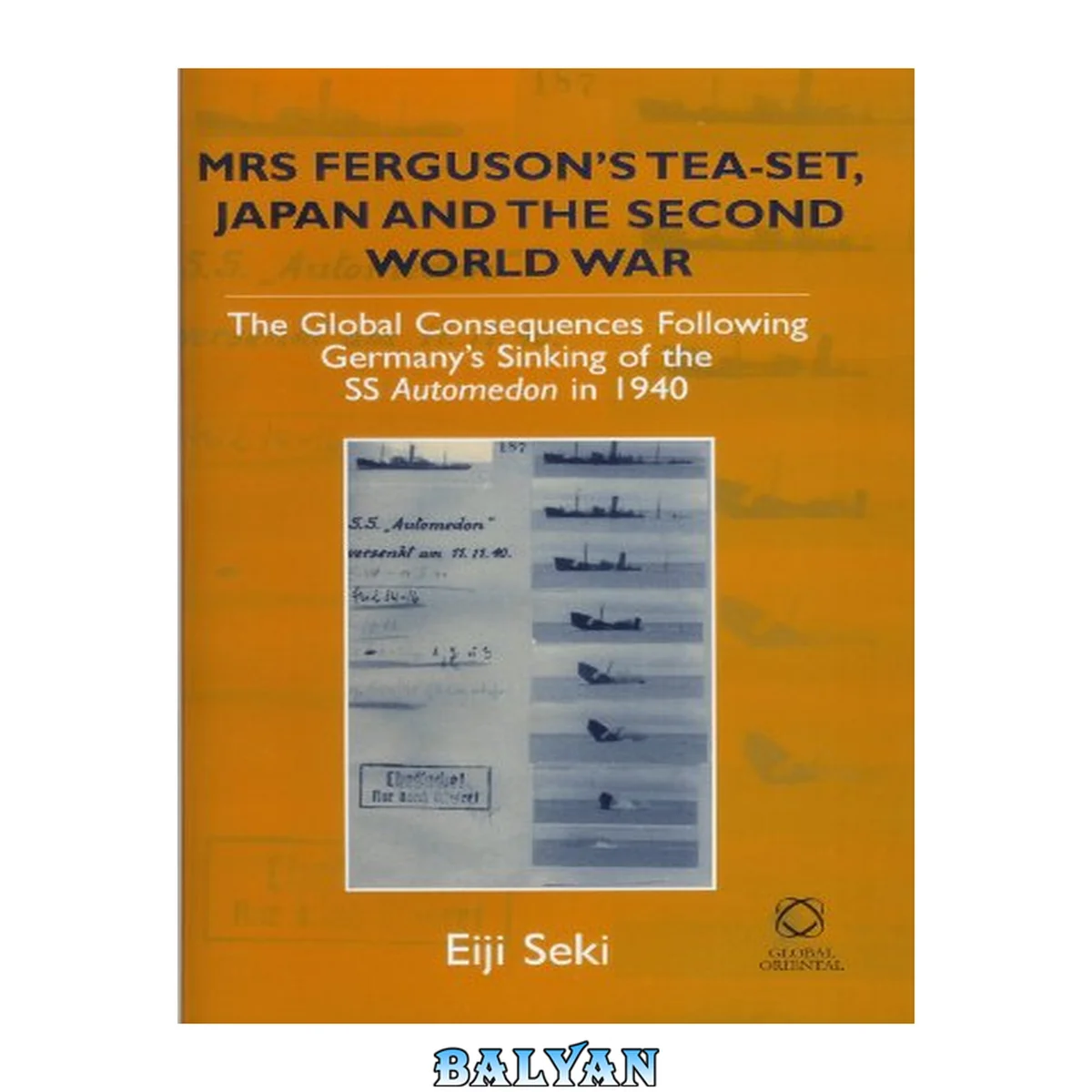
معرفی کتاب «Mrs Ferguson's tea-set, Japan, and the Second World War : the global consequences following Germany's sinking of the SS Automedon in 1940» نوشتهٔ Eiji Seki، منتشرشده توسط نشر BRILL/Global Oriental در سال 2006. این کتاب در فرمت pdf، زبان انگلیسی ارائه شده است.
In this new work, the author argues that he is not just setting the history right in terms of all the inaccuracies so far reported, but is also offering significant new data based on direct contact with surviving members of the Automedon crew and their families, together with access to new primary sources. Offering a Japanese perspective for the first time, the book tracks the role of the Japanese navy as a silent partner and active participant in the war at sea against Britain and her allies prior to Japan's flagrant formal entry into World War II at Pearl Harbor. The author argues that the cooperation between the German and Japanese navies led to Japan's final defeat when Admiral Yamamoto was misled by the intelligence obtained from the confidential cabinet papers recovered from the Automedon. Indeed, one of the most significant conclusions to be drawn from this fascinating story is how happenstance impacts on the outcome of conflict: had not Mrs Ferguson, who was on board the Automedon when it was sunk demanded from the German captain that her baggage 'not required on board' containing her tea service should be saved, the German crew would never have found the ship's secret strong room containing the British cabinet papers. The book's 16-page plate section provides a valuable pictorial resource, many of the photographs appearing here for the first time. The Saga Of The Sinking Of The Blue Funnel Line's Ill-fated Ss Automedon In November 1940 By The German Commerce Raider Atlantis Is Well Documented, But In This New Work The Author Argues That He Is Not Just Setting The History Right In Terms Of The Inaccuracies So Far Reported, But Is Also Offering Significant New Information Based On Direct Contact With Surviving Members Of The Automedon's Crew And Their Families, Together With Access To New Primary Sources. Offering A Japanese Perspective For The First Time, The Book Tracks The Role Of The Japanese Navy As A Silent Partner And Active Participant In The War At Sea Against Britain And Her Allies Prior To Japan's Flagrant Formal Entry Into The Second World War At Pearl Harbor. The Author Argues That The Cooperation Between The German And Japanese Navies Led To Japan's Final Defeat When Admiral Yamamoto Was Misled By The Intelligence Obtained From The Confidential Cabinet Papers Recovered From The Automedon. One Of The Most Significant Conclusions To Be Drawn From This Fascinating Story, That Is 'relived' Here, Is How Chance Impacts On The Outcome Of Conflict: Had Not Mrs Violet Ferguson Who Was On Board The Automedon At The Time Of Its Capture Asked For The Trunk Containing Her Precious Tea-set To Be Saved, The German Crew Would Never Have Found The Automedon's Secret Strong-room Containing The 'most Secret' Papers.--book Jacket. Introduction -- 1. A Fateful Decision -- 2. The Battle Of Britain -- 3. 'play For Time In Asia' -- 4. Atlantis, Predator Of The Seas -- 5. The Trunks And The Cabinet Papers -- 6. A Gift From Hitler -- 7. The Days Of Captivity -- 8. The Atlantis Meets Her End In The South Atlantic -- 9. Conclusion -- Appendix 1: List Of Ships Sunk By The Atlantis -- Appendix 2: Map Of Thye Operations Of The Atlantis -- Appendix 3: Central Tokyo In 1940 -- Appendix 4: Letter: Heather Stewart To Eiji Seki. Eiji Seki. Includes Bibliographical References (p. 168-174) And Index. This book offers new insight into the sinking of SS Automedon as well as being a riveting tale of an exciting episode in the Second World War. It includes testimonies from crew and family of SS Automedon and presents Japan's involvement for the first time.
دانلود کتاب Mrs Ferguson's tea-set, Japan, and the Second World War : the global consequences following Germany's sinking of the SS Automedon in 1940