Men and Popular Music in Algeria: The Social Significance of Raï (Modern Middle East Series)
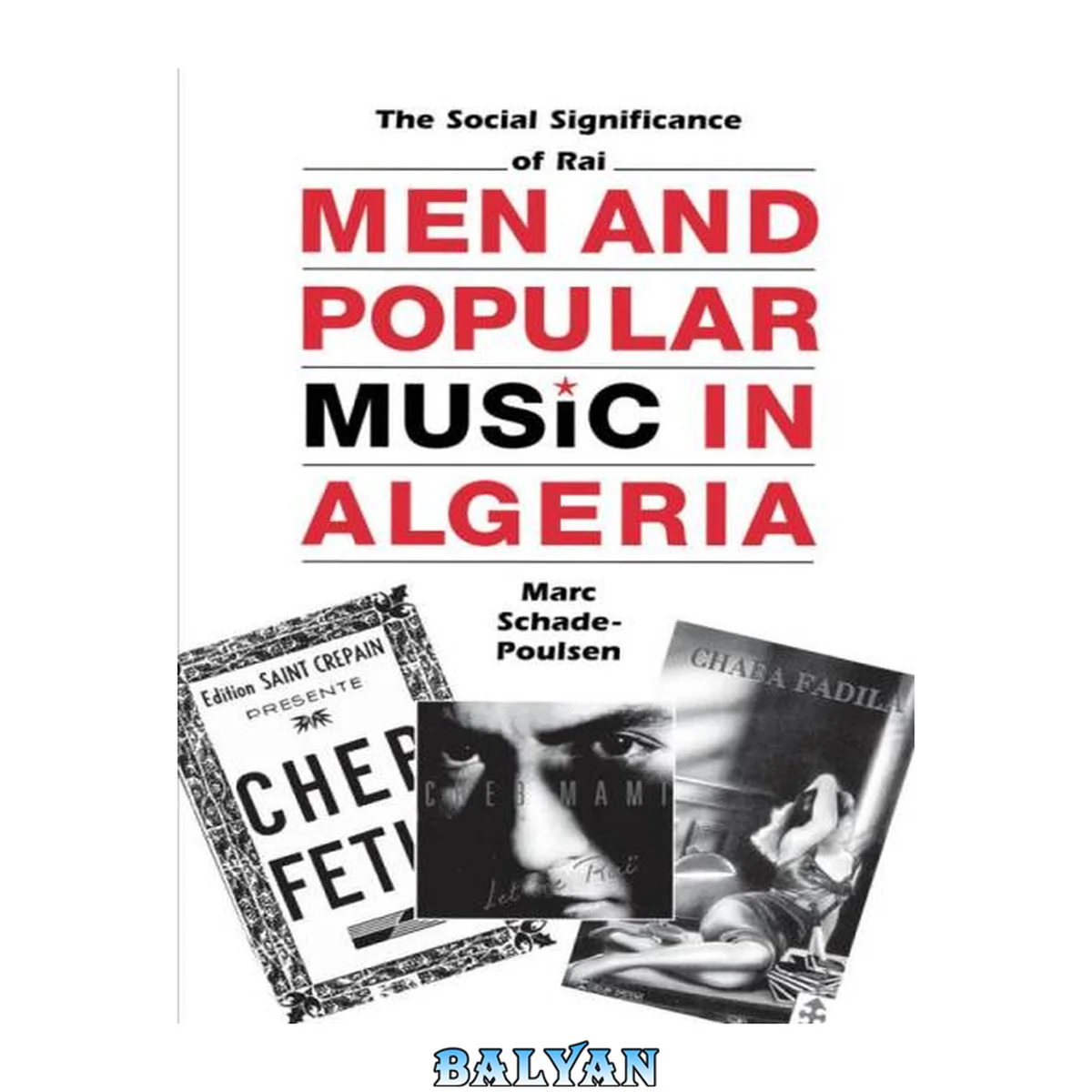
معرفی کتاب «Men and Popular Music in Algeria: The Social Significance of Raï (Modern Middle East Series)» نوشتهٔ Marc Schade-Poulsen، منتشرشده توسط نشر University of Texas Press در سال 1999. این کتاب در 5 صفحه، فرمت pdf، زبان انگلیسی ارائه شده است.
Raï music is often called the voice of the voiceless in Algeria, a society currently swept by tragic conflict. Raï is the voice of Algerian men, young men caught between generations and classes, in political strife, and in economic inequality. In a ground-breaking study, anthropologist Marc Schade-Poulsen uses this popular music genre as a lens through which he views Algerian society, particularly male society. He situates raï within Algerian family life, moral codes, and broader power relations. Schade-Poulsen did his research in the 1990s, in clubs, recording studios, at weddings, and with street musicians. He describes the history of raï , which emerged in the late 1970s and spread throughout North Africa at the same time the Islamist movement was growing to become the most potent socio-political movement in Algeria. Outsiders consider raï to be Western in origin, but Schade-Poulsen shows its Islamic roots as well. The musicians do use Western instruments, but the music itself mixes Algerian popular songs and rhythms with the beat of American disco, Egyptian modalities, Moroccan wedding tunes, and the songs of Julio Iglesias. The lyrics deal with male-female relationships but also with generational relationships and the problems of youth, as they struggle to find a place in a conflicted society. The study, in its innovative approach to music as a template of society, helps the reader understand the two major movements among today's Algerian youth: one toward the mosque and the other toward the West. Raï Music Is Often Called The Voice Of The Voiceless In Algeria, A Society Currently Swept By Tragic Conflict. Raï Is The Voice Of Algerian Men, Young Men Caught Between Generations And Classes, In Political Strife, And In Economic Inequality. In A Ground-breaking Study, Anthropologist Marc Schade-poulsen Uses This Popular Music Genre As A Lens Through Which He Views Algerian Society, Particularly Male Society. He Situates Raï Within Algerian Family Life, Moral Codes, And Broader Power Relations. Schade-poulsen Did His Research In The 1990s, In Clubs, Recording Studios, At Weddings, And With Street Musicians. He Describes The History Of Raï, Which Emerged In The Late 1970s And Spread Throughout North Africa At The Same Time The Islamist Movement Was Growing To Become The Most Potent Socio-political Movement In Algeria. Outsiders Consider Raï To Be Western In Origin, But Schade-poulsen Shows Its Islamic Roots As Well. The Musicians Do Use Western Instruments, But The Music Itself Mixes Algerian Popular Songs And Rhythms With The Beat Of American Disco, Egyptian Modalities, Moroccan Wedding Tunes, And The Songs Of Julio Iglesias. The Lyrics Deal With Male-female Relationships But Also With Generational Relationships And The Problems Of Youth, As They Struggle To Find A Place In A Conflicted Society. -- Publisher Description. A Story Of Rai --- The Rai Performance And Studio Recording --- Young Men In The City --- Listening To Rai --- Transgressions In Rai: The Weak Side Of The Strong --- The Rai Of Love --- Postscript --- Four Versions Of Ma Dannitsh Natfarqu --- Four Rai Songs. Marc Schade-poulsen. Includes Song Texts In Transliterated Arabic With English Translations. Includes Bibliographical References (p. [235]-246) And Index.
دانلود کتاب Men and Popular Music in Algeria: The Social Significance of Raï (Modern Middle East Series)