تاریخنگاری نوردیک: ارتباطات، تنشها و روششناسی، ۱۸۵۰-۱۹۷۰ (درک تاریخ، ۳۲)
Making Nordic Historiography: Connections, Tensions and Methodology, 1850-1970 (Making Sense of History, 32)
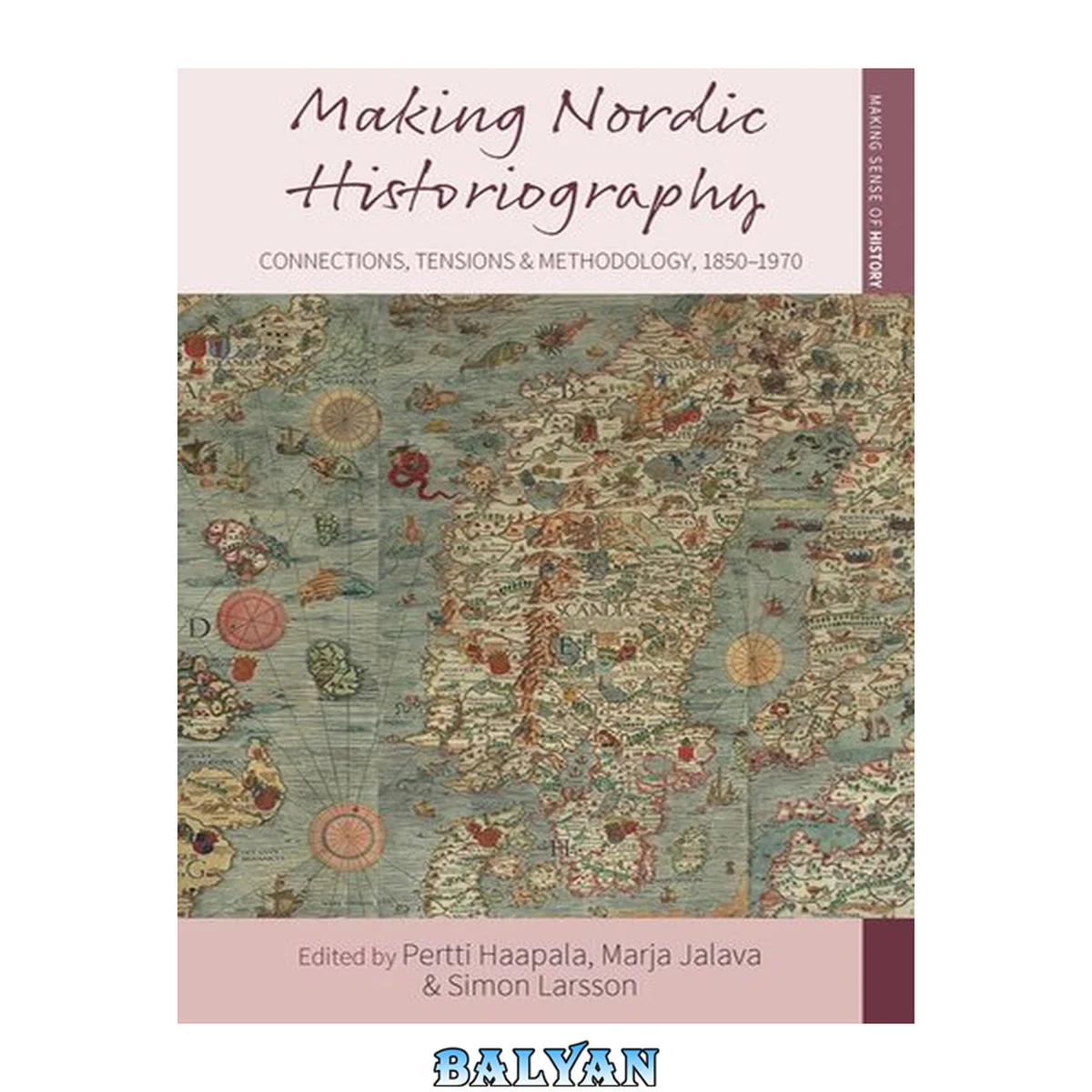
معرفی کتاب «تاریخنگاری نوردیک: ارتباطات، تنشها و روششناسی، ۱۸۵۰-۱۹۷۰ (درک تاریخ، ۳۲)» (با عنوان لاتین Making Nordic Historiography: Connections, Tensions and Methodology, 1850-1970 (Making Sense of History, 32)) نوشتهٔ Pertti Haapala (editor); Marja Jalava (editor); Simon Larsson (editor)، منتشرشده توسط نشر Berghahn Books در سال 2017. این کتاب در فرمت pdf، زبان انگلیسی ارائه شده است.
Is There A Nordic History? If So, What Are Its Origins, Its Scope, And Its Defining Features? In This Informative Volume, Scholars From All Five Nordic Nations Tackle A Notoriously Problematic Historical Concept. Whether Recounting Foucault's Departure From Sweden Or Tracing The Rise Of Movements Such As Aristocratic Empiricism, Each Contribution Takes A Deliberately Transnational Approach That Is Grounded In Careful Research, Yielding Rich, Nuanced Perspectives On Shifting And Contested Historical Terrain. Edited By Pertti Haapala, Marja Jalava And Simon Larrson. Includes Bibliographical References And Index. Contents Acknowledgements Introduction. Nordic historiography: from methodological nationalism to empirical transnationalism Chapter 1. Writing our history: the history of the ‘Finnish people’ (as written) by Zacharias Topelius and Väinö Linna Chapter 2. The impact of Grundtvig’s ideology on Icelandic historiography Chapter 3. Cultural aspects of the pan-Scandinavian movement: the perspective of historians Chapter 4. National, international or transnational? Works and networks of the early Nordic historians of society Chapter 5. Scientific historiography and its discontents: Danish and Swedish ‘aristocratic empiricism’ Chapter 6. Nationalist internationalism: Danish and Norwegian historical research in the aftermath of the First World War Chapter 7. Nordic networks at work: power struggles in the Scandinavian historical field, 1935–1942 Chapter 8. The rhythm and implicit canon of Nordic history by Eli F. Heckscher and Eino Jutikkala Chapter 9. Negotiating Norden: Nordic historians revising history textbooks, 1920–1970 Chapter 10. Loneliness: being a woman in the Nordic community of historians Chapter 11. Trans-Nordic neo-empiricism in a European setting – or, why did Foucault leave Uppsala? Index Is there a "Nordic history"? If so, what are its origins, its scope, and its defining features? In this definitive volume, scholars from all five Nordic nations tackle a notoriously problematic historical concept.
دانلود کتاب تاریخنگاری نوردیک: ارتباطات، تنشها و روششناسی، ۱۸۵۰-۱۹۷۰ (درک تاریخ، ۳۲)