Last Child in the Woods : Saving Our Children From Nature-Deficit Disorder
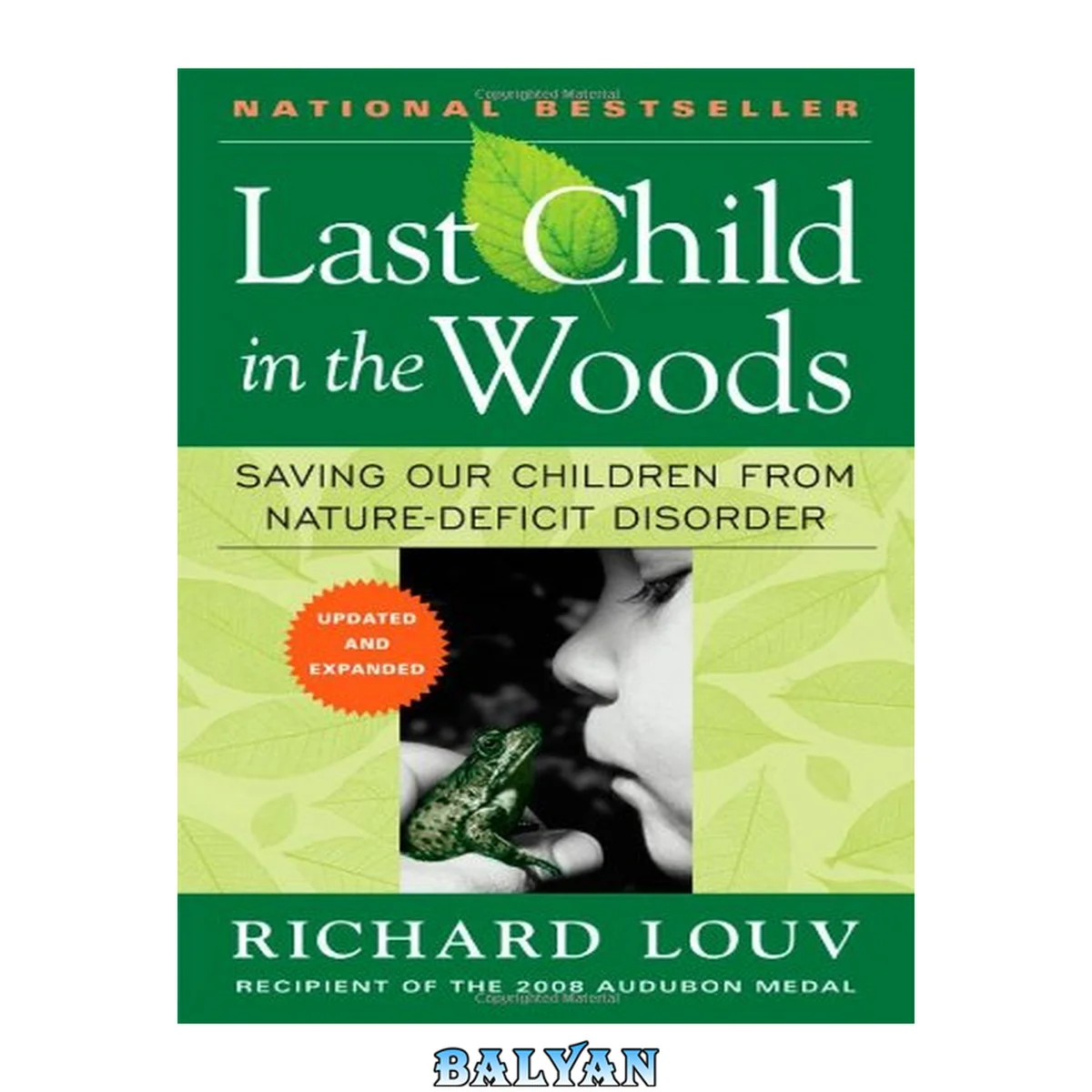
معرفی کتاب «Last Child in the Woods : Saving Our Children From Nature-Deficit Disorder» نوشتهٔ Richard Louv، منتشرشده توسط نشر Algonquin Books; Algonquin Books of Chapel Hill در سال 2008. این کتاب در 390 صفحه، فرمت epub، زبان انگلیسی ارائه شده است. «Last Child in the Woods : Saving Our Children From Nature-Deficit Disorder» در دستهٔ روانشناسی عمومی قرار دارد.
کودکان امروز بیش از هر نسل دیگری در تاریخ، زمان خود را در فضای بسته و در محاصرهٔ صفحههای نمایشگر میگذرانند و این دوری از طبیعت، پیامدهای عمیقی برای سلامت جسمی و روانی آنان دارد. ریچارد لوو، نویسنده و روزنامهنگار برجستهٔ آمریکایی، در کتاب تأثیرگذار خود، «آخرین کودک در جنگل» (Last Child in the Woods: Saving Our Children From Nature-Deficit Disorder)، این معضل را با اصطلاحی تازه و هشداردهنده، «اختلال کمبود طبیعت»، نامگذاری کرده و به بررسی علمی و جامع آن پرداخته است. این کتاب که نسخهٔ بهروز شدهٔ آن در سال ۲۰۰۸ منتشر شده، برای والدین، مربیان و هر کسی که به آیندهٔ کودکان و سلامت روانی آنان اهمیت میدهد، اثری ضروری و تحولآفرین است.
دربارهٔ کتاب «آخرین کودک در جنگل» —
ریچارد لوو در «آخرین کودک در جنگل»، با زبانی مستند و درعینحال جذاب، به بررسی پدیدهای میپردازد که آن را «اختلال کمبود طبیعت» مینامد؛ مفهومی که گرچه یک تشخیص پزشکی نیست، اما پیامدهای زیانبار دوری کودکان از محیطهای طبیعی را توصیف میکند. لوو با تکیه بر دهها پژوهش و مصاحبه با متخصصان حوزههای گوناگون، نشان میدهد که چگونه زندگی در محاصرهٔ فناوری، ترسهای اغراقآمیز والدین، کاهش فضاهای سبز شهری و تغییر سبک زندگی، باعث شده است تا کودکان امروز کمترین ارتباط را با طبیعت داشته باشند. او با مثالهای ملموس، از جمله کاهش چشمگیر شعاع فعالیت آزادانهٔ کودکان در محلههای مسکونی، و توانایی بیشتر آنها در تشخیص شخصیتهای کارتونی نسبت به گونههای بومی طبیعت، این شکاف عمیق را به تصویر میکشد. لوو در این کتاب، فراتر از یک هشدار ساده عمل میکند و با گردآوری شواهد علمی، تأثیر مستقیم تماس با طبیعت را بر کاهش نشانههای اختلال کمتوجهی، افسردگی و چاقی نشان میدهد. او استدلال میکند که طبیعت، نه یک تفریح لوکس، بلکه یک عنصر اساسی برای رشد همهجانبهٔ عاطفی، ذهنی و حتی معنوی کودکان است و میتواند به عنوان یک درمان قدرتمند عمل کند. سبک نوشتار لوو، تلفیقی از روایتهای شخصی، دادههای پژوهشی و مصاحبههای عمیق است که کتاب را از یک متن صرفاً آکادمیک خارج کرده و به اثری خواندنی و تأملبرانگیز بدل ساخته است که مخاطب را به سفری اکتشافی در دنیای گمشدهٔ کودکی و طبیعت فرا میخواند.دربارهٔ نویسنده
ریچارد لوو (Richard Louv) متولد ۱۹۴۹، نویسندهٔ غیرداستانی و روزنامهنگار آمریکایی است که با نگارش کتاب «آخرین کودک در جنگل» به شهرتی جهانی دست یافت. او پیش از این، ستوننویس روزنامهٔ «سان دیگو یونیون-تریبیون» و مجلهٔ «پارنتز» بود و مطالبش در نشریات معتبری چون نیویورک تایمز و واشنگتن پست منتشر شده است. لوو که بهعنوان یکی از بنیانگذاران و رئیس افتخاری شبکهٔ «کودکان و طبیعت» (Children & Nature Network) فعالیت میکند، به دلیل تلاشهایش در ترویج ارتباط کودکان با طبیعت، جوایز متعددی از جمله مدال معتبر اودوبون را در سال ۲۰۰۸ دریافت کرد؛ مدالی که پیش از این به شخصیتهای تأثیرگذاری چون راشل کارسون و جیمی کارتر اهدا شده است.چرا باید «آخرین کودک در جنگل» را بخوانید؟
مطالعهٔ این کتاب، دریچههای تازهای را به روی شما میگشاید و بینشهای ارزشمندی را ارائه میدهد که میتواند نگاه شما به تربیت و سلامت کودکان را دگرگون کند:- درکی عمیق از «اختلال کمبود طبیعت»: با این مفهوم کلیدی و تأثیر آن بر ابعاد گوناگون سلامت کودکان، از جمله افزایش خطر ابتلا به اختلالات روانی و چاقی، آشنا خواهید شد.
- ارتباط میان طبیعت و سلامت روان: شواهد مستندی دریافت میکنید که نشان میدهد چگونه قرارگرفتن در معرض طبیعت میتواند بهعنوان درمانی مؤثر برای مشکلاتی چون افسردگی و اختلال کمتوجهی عمل کند.
- آشنایی با راهحلهای عملی: کتاب تنها به بیان مشکل نمیپردازد، بلکه با ارائهٔ راهنمای جامعی شامل «۱۰۱ کار عملی»، به شما نشان میدهد که چگونه میتوانید این روند را در خانواده، مدرسه و جامعه تغییر دهید.
- تأثیر شگرف بر خلاقیت و یادگیری: درمییابید که تجربهٔ دوران کودکی در طبیعت، نهتنها خلاقیت را تحریک میکند، بلکه میتواند به بهبود عملکرد تحصیلی و مهارتهای حل مسئله منجر شود.
- درکی از یک جنبش اجتماعی جهانی: با تاریخچه و دستاوردهای جنبش «هیچ کودکی را در خانه نگه ندارید» (Leave No Child Inside) آشنا میشوید که الهامبخش تغییرات گستردهای در سراسر جهان بوده است.
این کتاب برای چه کسانی مناسب است؟
«آخرین کودک در جنگل» برای طیف وسیعی از مخاطبان، بهویژه والدینی که نگران سلامت و رشد فرزندان خود در عصر دیجیتال هستند، یک منبع ضروری محسوب میشود. این کتاب برای معلمان، مربیان و مشاوران مدرسه که به دنبال رویکردهای نوین برای بهبود کیفیت یادگیری و کاهش مشکلات رفتاری دانشآموزان هستند، بسیار ارزشمند است. همچنین روانشناسان، متخصصان حوزهی کودک و برنامهریزان شهری که به دنبال ایجاد فضاهای سالمتر و پایدارتر برای زندگی هستند، میتوانند از مطالب غنی و راهگشای آن بهرهمند شوند. بهطور خلاصه، هر کسی که به آیندهٔ نسلهای بعدی و پیوند ناگسستنی انسان با جهان طبیعی اهمیت میدهد، این کتاب را اثری کلیدی و تأثیرگذار خواهد یافت.سوالات متداول
آیا «اختلال کمبود طبیعت» یک بیماری روانی رسمی است؟
خیر، ریچارد لوو این اصطلاح را برای توصیف یک پدیدهٔ اجتماعی و هزینههای انسانی ناشی از بیگانگی کودکان با طبیعت به کار برده است. این اصطلاح بهعنوان یک تشخیص بالینی در کتابهای راهنمای روانپزشکی ثبت نشده، بلکه چارچوبی برای درک و مواجهه با مشکل رو به رشد دوری از محیطهای طبیعی است.
این کتاب چه راهکارهای عملی برای خانوادهها ارائه میدهد؟
کتاب شامل بخش «راهنمای میدانی» با «۱۰۱ اقدام عملی» است که خانوادهها میتوانند برای تغییر در خانه، مدرسه و جامعهٔ خود اجرا کنند. این اقدامات از پیادهروی منظم در پارکهای محلی و تشویق به بازیهای خلاقانه در فضای باز، تا تغییر در نگرش نسبت به خطرات و حمایت از فضاهای سبز شهری را شامل میشود.
آیا این کتاب صرفاً بر اساس تجربیات شخصی نویسنده نوشته شده است؟
خیر، اگرچه لوو از تجارب شخصی خود بهعنوان پدر و نیز خاطرات دوران کودکیاش استفاده میکند، اما کتاب بر پایهٔ پژوهشی گسترده و مصاحبه با صدها متخصص از جمله روانشناسان، معلمان، دانشمندان و برنامهریزان شهری بنا شده است. این رویکرد چندوجهی، اعتبار و جامعیت استدلالهای او را تضمین میکند.
Richard Louv was the first to identify a phenomenon we all knew existed but couldn't quite articulate: nature-deficit disorder. His book Last Child in the Woods created a national conversation about the disconnection between children and nature, and his message has galvanized an international movement. Now, three years after its initial publication, we have reached a tipping point, with Leave No Child Inside initiatives adopted in at least 30 regions within 21 states, and in Canada, Holland, Australia, and Great Britain.
This new edition reflects the enormous changes that have taken place since the book—and this grassroots movement— were launched. It includes:
• 101 Things you can do to create change in your community, school, and family.
• Discussion points to inspire people of all ages to talk about the importance of nature in their lives.
• A new afterword by the author about the growing Leave No Child Inside movement.
• New and updated research confirming that direct exposure to nature is essential for the physical and emotional health of children and adults.
This is a book that will change the way you think about your future and the future of your children.
Publishers Weekly
Today's kids are increasingly disconnected from the natural world, says child advocacy expert Louv (Childhood's Future; Fatherlove; etc.), even as research shows that thoughtful exposure of youngsters to nature can... be a powerful form of therapy for attention-deficit disorder and other maladies. Instead of passing summer months hiking, swimming and telling stories around the campfire, children these days are more likely to attend computer camps or weight-loss camps: as a result, Louv says, they've come to think of nature as more of an abstraction than a reality. Indeed, a 2002 British study reported that eight-year-olds could identify PokEmon characters far more easily than they could name otter, beetle, and oak tree. Gathering thoughts from parents, teachers, researchers, environmentalists and other concerned parties, Louv argues for a return to an awareness of and appreciation for the natural world. Not only can nature teach kids science and nurture their creativity, he says, nature needs its children: where else will its future stewards come from? Louv's book is a call to action, full of warnings but also full of ideas for change. Agent, James Levine. (May 20) Copyright 2005 Reed Business Information.
The Book That Launched an International Movement Fans of The Anxious Generation will adore Last Child in the Woods, Richard Louv's groundbreaking New York Times bestseller. “An absolute must-read for parents.” —The Boston Globe “It rivals Rachel Carson's Silent Spring.” —The Cincinnati Enquirer “I like to play indoors better'cause that's where all the electrical outlets are,” reports a fourth grader. But it's not only computers, television, and video games that are keeping kids inside. It's also their parents'fears of traffic, strangers, Lyme disease, and West Nile virus; their schools'emphasis on more and more homework; their structured schedules; and their lack of access to natural areas. Local governments, neighborhood associations, and even organizations devoted to the outdoors are placing legal and regulatory constraints on many wild spaces, sometimes making natural play a crime. As children's connections to nature diminish and the social, psychological, and spiritual implications become apparent, new research shows that nature can offer powerful therapy for such maladies as depression, obesity, and attention deficit disorder. Environment-based education dramatically improves standardized test scores and grade-point averages and develops skills in problem solving, critical thinking, and decision making. Anecdotal evidence strongly suggests that childhood experiences in nature stimulate creativity. In Last Child in the Woods, Louv talks with parents, children, teachers, scientists, religious leaders, child-development researchers, and environmentalists who recognize the threat and offer solutions. Louv shows us an alternative future, one in which parents help their kids experience the natural world more deeply—and find the joy of family connectedness in the process. Included in this edition: A Field Guide with 100 Practical Actions We Can Take Discussion Points for Book Groups, Classrooms, and Communities Additional Notes by the Author New and Updated Research from the U.S. and Abroad IF, WHEN WE WERE YOUNG, we tramped through forests of Nebraska cottonwoods, or raised pigeons on a rooftop in Queens, or fished for Ozark bluegills, or felt the swell of a wave that traveled a thousand miles before lifting our boat, then we were bound to the natural world and remain so today. Louv talks with parents, children, teachers, scientists, religious leaders, child-development researchers, and environmentalists to find ways for children to experience the natural world more deeply