Insect Metamorphosis : From Natural History to Regulation of Development and Evolution
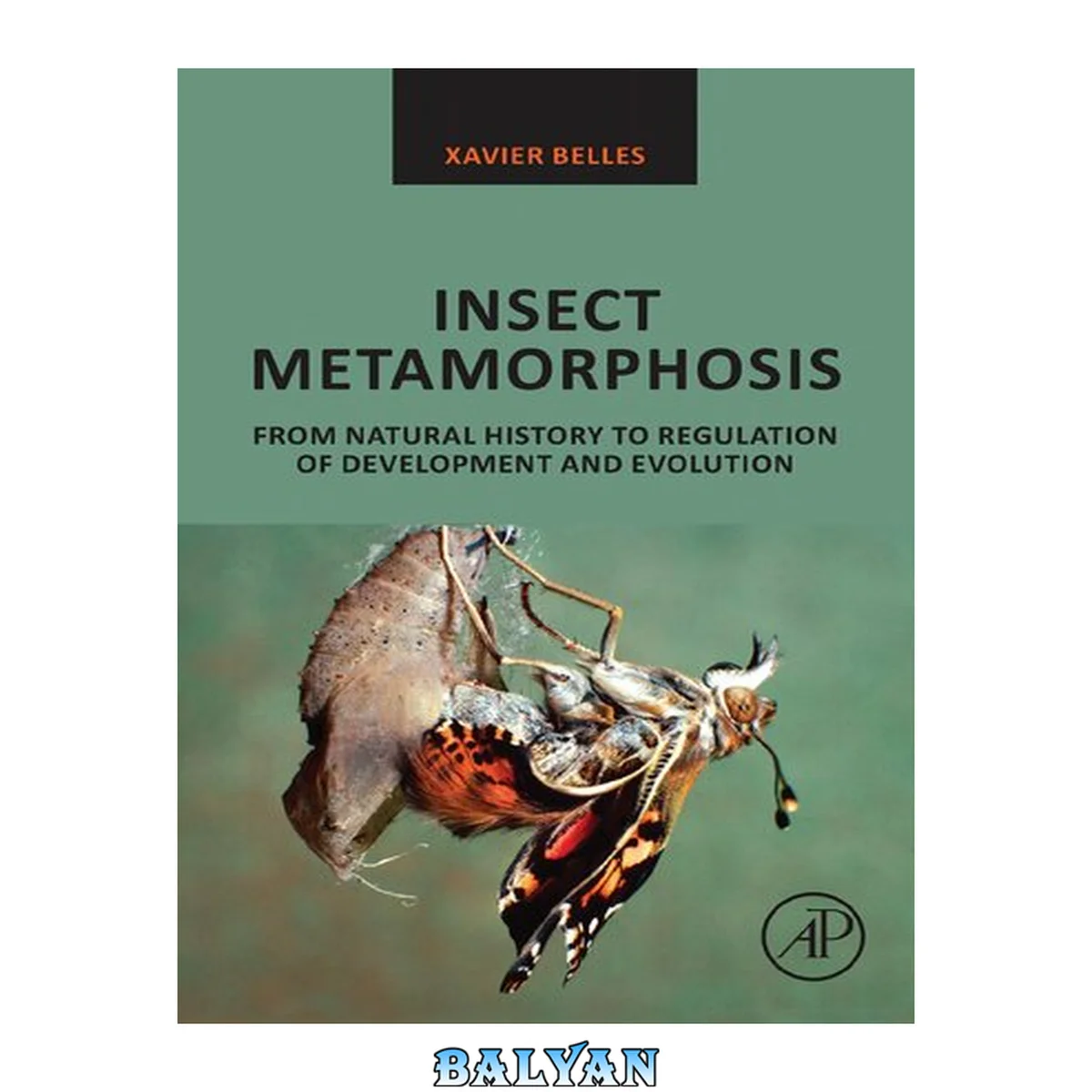
معرفی کتاب «Insect Metamorphosis : From Natural History to Regulation of Development and Evolution» نوشتهٔ Muddana A. Lakshmi Lakshmi، Sandhya Vinayakam و Xavier Bellés، منتشرشده توسط نشر Academic Press در سال 2020. این کتاب در فرمت pdf، زبان انگلیسی ارائه شده است.
Insect Metamorphosis: From Natural History to Regulation of Development and Evolution explores the origin of metamorphosis, how it evolved, and how it is it regulated. The book discusses insect metamorphosis as a key innovation in insect evolution. With most of the present biodiversity on Earth composed of metamorphosing insectsapproximately 1 million species currently described, with another 10-30 million still waiting to be discovered, the book delves into misconceptions and past treatments. In addition, the topic of integrating insect metamorphosis into the theory of evolution by natural selection as noted by Darwin in his On the Origin of Species is also discussed. Users will find this to be a comprehensive and updated review on insect metamorphosis, covering biological, physiological and molecular facets, with an emphasis on evolutionary aspects. Features updated knowledge from the past decade on the mechanisms of action of juvenile hormone, the main doorkeeper of insect metamorphosis Aids researchers in entomology or developmental biology dealing with specialized aspects of metamorphosis Provides applied entomologists with recently updated data, especially on regulation, to better face the problems of pest control and management Gives general evolutionary biologists context on the process of metamorphosis in its larger scope Cover Insect Metamorphosis: From Natural History to Regulation of Development and Evolution Copyright Contents Preface 1 The evolution of ideas on insect metamorphosis Classical Greece From classical Greece until the Renaissance The 17th century The enlightenment Darwin’s times The 20th century REFERENCES 2 A spectacular diversity of forms and developmental modes A long evolutionary history New resources to be exploited, new ecological opportunities The wings, a crucial innovation The innovation of metamorphosis and their different types Unity and diversity of embryonic development REFERENCES 3 The ametabolan development Embryogenesis in ametabolan species Postembryonic development Unscaled juveniles Scaled juveniles Adults REFERENCES 4 The hemimetabolan development Embryogenesis in hemimetabolan species The hemimetaboly in Palaeoptera Odonata Ephemeroptera The Polyneoptera The Paraneoptera Psylloidea, Aleyrodoidea, and Coccomorpha Thysanoptera REFERENCES 5 The holometabolan development Embryogenesis in holometabolan species Imaginal precursor cells, imaginal discs, and histoblasts The larva The pupa Hypermetamorphosis Hypermetamorphosis in parasitoids with a wandering first larval instar Hymenoptera Neuroptera Coleoptera Strepsiptera Lepidoptera Diptera Hypermetamorphosis in nonparasitoids with a wandering first larval instar. The case of Micromalthus debilis Hypermetamorphosis in parasitoids with a sedentary first larval instar Hymenoptera Diptera Contracted life cycles References 6 Hormones involved in the regulation of metamorphosis The nature of the molting hormone The prothoracic gland and the synthesis of ecdysteroids The prothoracicotropic hormone Insulin-like peptides Other peptides affecting ecdysone synthesis in the prothoracic gland Other factors affecting the prothoracic gland activity The juvenile hormones The corpora allata Allatotropins and allatostatins Allatotropins Allatostatins Peptides regulating ecdysis and tanning Ecdysis triggering hormone Eclosion hormone Corazonin Crustacean cardioactive peptide Bursicon REFERENCES 7 Molecular mechanisms regulating hormone production and action Production of ecdysone in the prothoracic gland Action of prothoracicotropic peptides Action of prothoracicostatic peptides Transcription factors involved in regulating the expression of ecdysteroidogenic genes Production of juvenile hormone in the corpora allata Action of allatotropins Action of allatostatins Mechanisms of regulation of ecdysis and tanning Action of corazonin Action of ecdysis-triggering hormone and eclosion hormone Action of crustacean cardioactive peptide Action of bursicon Transduction of the 20-hydroxyecdysone signal The ecdysone receptor Early response genes Late response genes The 20-hydroxyecdysone signaling pathway in insects other than Drosophila melanogaster The role of Broad-complex as promoter of the pupal stage The role of E93 as promoter of metamorphosis Transduction of the juvenile hormone signal Met, the juvenile hormone intracellular receptor A membrane receptor for juvenile hormone Krüppel homolog 1, a master transducer of the antimetamorphic action of juvenile hormone E93: a key target of Krüppel homolog 1. The MEKRE93 pathway Regulation of developmental gene expression and chromatin accessibility Interactions between the 20-hydroxyecdysone and the juvenile hormone pathways The TGF-β signaling pathway Competence to metamorphose References 8 Epigenetic-related mechanisms DNA methylation DNA methylation and embryogenesis DNA methylation and postembryonic development Histone modifications Histone acetylation at lysine residues Histone methylation at lysine and arginine residues Methylation of arginine residues Methylation of lysine residues Noncoding RNAs miRNAs and hemimetabolan metamorphosis miRNAs and holometabolan metamorphosis Long noncoding RNAs REFERENCES 9 Molting: the basis for growing and for changing the form The insect cuticle Determination of molting time: Basic mechanisms The apolysis and the secretion of a new cuticle The ecdysis Sclerotization and hardening Endocrine regulation of the molting process The metamorphic molt Control of developmental timing and adult body size Regulation of right allometric growth Histolysis of the prothoracic gland Secretion of embryonic cuticles References 10 Regulation of ametabolan, hemimetabolan, and holometabolan development Hormones and embryogenesis Ecdysteroids Juvenile hormone Regulation of postembryonic development in ametabolans Regulation of postembryonic development in hemimetabolans Palaeoptera Polyneoptera Paraneoptera Regulation of postembryonic development in holometabolans Tribolium castaneum Bombyx mori Drosophila melanogaster Mechanisms regulating holometabolan neoteny: Xenos vesparum REFERENCES 11 The origin of hemimetaboly The origin of wings and the emergence of hemimetaboly The final molt: a crucial innovation Possible mechanisms underlying the transition from ametaboly to hemimetaboly The components of the MEKRE93 pathway and Broad-complex predate the origin of Pterygota REFERENCES 12 The evolution of metamorphosis Selective advantages of holometaboly The larva and the pupa Two theories to explain the evolution of metamorphosis The pronymph theory The theory of direct homology between stages Testing hypotheses Embryonic cuticles Embryo development Juvenile hormone and embryogenesis Broad-complex in the embryo Broad-complex and postembryonic development Molecular mechanisms regulating metamorphosis The Broad-complex hypothesis. A mechanism to explain the origin of holometaboly REFERENCES Epilogue Index Back Cover __Insect Metamorphosis: From Natural History to Regulation of Development and Evolution__ explores the origin of metamorphosis, how it evolved, and how it is it regulated. The book discusses insect metamorphosis as a key innovation in insect evolution. With most of the present biodiversity on Earth composed of metamorphosing insectsapproximately 1 million species currently described, with another 10-30 million still waiting to be discovered, the book delves into misconceptions and past treatments. In addition, the topic of integrating insect metamorphosis into the theory of evolution by natural selection as noted by Darwin in his __On the Origin of Species__ is also discussed. Users will find this to be a comprehensive and updated review on insect metamorphosis, covering biological, physiological and molecular facets, with an emphasis on evolutionary aspects.
دانلود کتاب Insect Metamorphosis : From Natural History to Regulation of Development and Evolution