Inquisition and its Organisation in Italy, 1250-1350 (Heresy and Inquisition in the Middle Ages, 8)
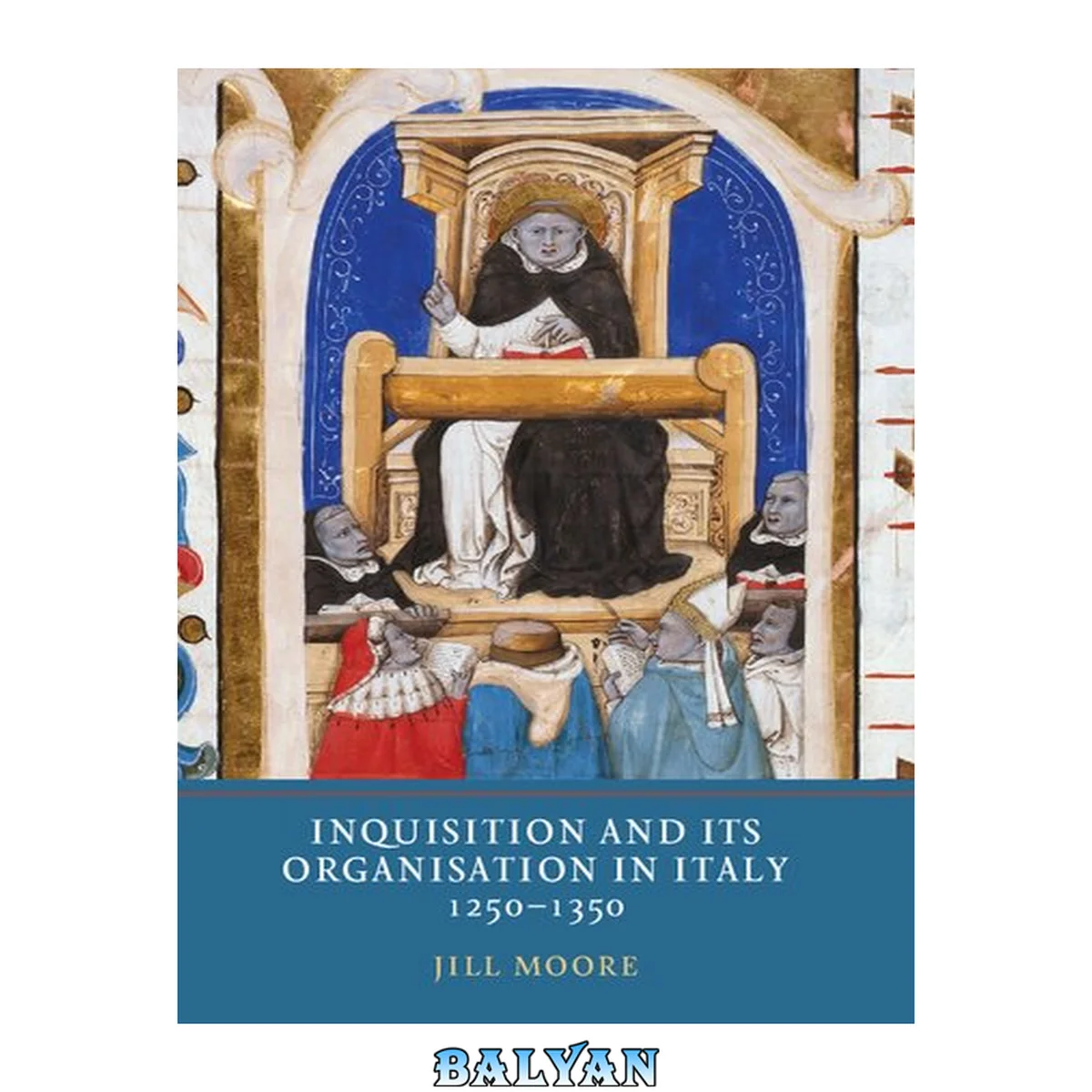
معرفی کتاب «Inquisition and its Organisation in Italy, 1250-1350 (Heresy and Inquisition in the Middle Ages, 8)» نوشتهٔ Jill Moore، منتشرشده توسط نشر A York Medieval Press publication in association with the Boydell Press ; Centre for Medieval Studies در سال 2019. این کتاب در فرمت pdf، زبان انگلیسی ارائه شده است.
Inquisition against heresy in Italy was a partnership between the papal inquisitor, usually a Dominican or Franciscan friar, the local bishop and the civic authority; and it is generally considered that the inquisitor was the leading figure, from the mid thirteenth century onwards. This book seeks to question whether this is true. Through an examination of the roles of the different partners, and in particular the part played by the lay and clerical staffof the inquisition, it offers a much more diverse picture, arguing that the inquisitor was often supplicant rather than dominant, and the civil authority continued to play a major part. Dominicans and Franciscans took different approaches to inquisition, and related in different ways to their parent orders. Drawing on a wealth of unpublished sources, the book analyses these divergences, and shows the internal operations of the inquisition. It also teases out the lives and histories of the individuals who spent their careers working for the inquisition - notaries, messengers, spies and many more - and shows how inquisition against heresy was part of the civic fabric of the Middle Ages. JILL MOORE gained her PhD at Birkbeck, University of London. Table of Contents Introduction Between Church and State: the legal, organisational and financial framework of inquisition Starting work: the practicalities The inquisition notary: making actions legal Nuncii , heralds and messengers: public voice or 'social scourge'? The familia and the wider support system Clerical support and the cursus honorum The cuckoo in the nest? Inquisitors and their orders An uneasy relationship: inquisitor, bishop and civil power Conclusion Bibliography Index A strikingly original approach to the inquisition movement in Italy, examining the roles of the protagonists. Inquisition against heresy in Italy was a partnership between the papal inquisitor, usually a Dominican or Franciscan friar, the local bishop and the civic authority; and it is generally considered that the inquisitor was the leading figure, from the mid thirteenth century onwards. This book seeks to question whether this is true. Through an examination of the roles of the different partners, and in particular the part played by the lay and clerical staffof the inquisition, it offers a much more diverse picture, arguing that the inquisitor was often supplicant rather than dominant, and the civil authority continued to play a major part. Dominicans and Franciscans took different approaches to inquisition, and related in different ways to their parent orders. Drawing on a wealth of unpublished sources, the book analyses these divergences, and shows the internal operations of the inquisition. It also teases out the lives and histories of the individuals who spent their careers working for the inquisition - notaries, messengers, spies and many more - and shows how inquisition against heresy was part of the civic fabric of the Middle Ages. JILL MOORE gained her PhD at Birkbeck, University of London. Inquisition against heresy in Italy was a partnership between the papal inquisitor, usually a Dominican or Franciscan friar, the local bishop and the civic authority; and it is generally considered that the inquisitor was the leading figure, from the mid thirteenth century onwards. This book seeks to question whether this is true. Through an examination of the roles of the different partners, and in particular the part played by the lay and clerical staffof the inquisition, it offers a much more diverse picture, arguing that the inquisitor was often supplicant rather than dominant, and the civil authority continued to play a major part.
Dominicans and Franciscans took different approaches to inquisition, and related in different ways to their parent orders. Drawing on a wealth of unpublished sources, the book analyses these divergences, and shows the internal operations of the inquisition. It also teases out the lives and histories of the individuals who spent their careers working for the inquisition - notaries, messengers, spies and many more - and shows how inquisition against heresy was part of the civic fabric of the Middle Ages.
JILL MOORE gained her PhD at Birkbeck, University of London. Inquisition against heresy in Italy was a partnership between the papal inquisitor, usually a Dominican or Franciscan friar, the local bishop and the civic authority; and it is generally considered that the inquisitor was the leading figure, from the mid thirteenth century onwards. This book seeks to question whether this is true. Through an examination of the roles of the different partners, and in particular the part played by the lay and clerical staff of the inquisition, it offers a much more diverse picture, arguing that the inquisitor was often supplicant rather than dominant, and the civil authority continued to play a major part.0Dominicans and Franciscans took different approaches to inquisition, and related in different ways to their parent orders. Drawing on a wealth of unpublished sources, the book analyses these divergences, and shows the internal operations of the inquisition. It also teases out the lives and histories of the individuals who spent their careers working for the inquisition - notaries, messengers, spies and many more - and shows how inquisition against heresy was part of the civic fabric of the Middle Ages Frontcover Contents List of illustrations Acknowledgements Abbreviations A note on the text Introduction 1 Between Church and State: the legal, organisational and financial framework of inquisition 2 Starting work: the practicalities 3 The inquisition notary: making actions legal 4 Nuncii, heralds and messengers: public voice or ‘social scourge’? 5 The familia and the wider support system 6 Vicars, socii and the cursus honorum 7 The cuckoo in the nest? Inquisitors and their orders 8 An uneasy relationship: inquisitor, bishop and civil power Conclusion Bibliography Index It is generally considered that the inquisitor was the leading figure in inquisition in Italy from the mid thirteenth century onward. Through an examination of the roles of the different partners, and in particular the part played by the lay and clerical staff of the inquisition, this book offers a much more diverse picture, arguing that the inquisitor was often supplicant rather than dominant, and the civil authority continued to play a major part. it shows how inquisition against heredy was part of the civil fabric of the Middle Ages. --Book cover
دانلود کتاب Inquisition and its Organisation in Italy, 1250-1350 (Heresy and Inquisition in the Middle Ages, 8)
Dominicans and Franciscans took different approaches to inquisition, and related in different ways to their parent orders. Drawing on a wealth of unpublished sources, the book analyses these divergences, and shows the internal operations of the inquisition. It also teases out the lives and histories of the individuals who spent their careers working for the inquisition - notaries, messengers, spies and many more - and shows how inquisition against heresy was part of the civic fabric of the Middle Ages.
JILL MOORE gained her PhD at Birkbeck, University of London. Inquisition against heresy in Italy was a partnership between the papal inquisitor, usually a Dominican or Franciscan friar, the local bishop and the civic authority; and it is generally considered that the inquisitor was the leading figure, from the mid thirteenth century onwards. This book seeks to question whether this is true. Through an examination of the roles of the different partners, and in particular the part played by the lay and clerical staff of the inquisition, it offers a much more diverse picture, arguing that the inquisitor was often supplicant rather than dominant, and the civil authority continued to play a major part.0Dominicans and Franciscans took different approaches to inquisition, and related in different ways to their parent orders. Drawing on a wealth of unpublished sources, the book analyses these divergences, and shows the internal operations of the inquisition. It also teases out the lives and histories of the individuals who spent their careers working for the inquisition - notaries, messengers, spies and many more - and shows how inquisition against heresy was part of the civic fabric of the Middle Ages Frontcover Contents List of illustrations Acknowledgements Abbreviations A note on the text Introduction 1 Between Church and State: the legal, organisational and financial framework of inquisition 2 Starting work: the practicalities 3 The inquisition notary: making actions legal 4 Nuncii, heralds and messengers: public voice or ‘social scourge’? 5 The familia and the wider support system 6 Vicars, socii and the cursus honorum 7 The cuckoo in the nest? Inquisitors and their orders 8 An uneasy relationship: inquisitor, bishop and civil power Conclusion Bibliography Index It is generally considered that the inquisitor was the leading figure in inquisition in Italy from the mid thirteenth century onward. Through an examination of the roles of the different partners, and in particular the part played by the lay and clerical staff of the inquisition, this book offers a much more diverse picture, arguing that the inquisitor was often supplicant rather than dominant, and the civil authority continued to play a major part. it shows how inquisition against heredy was part of the civil fabric of the Middle Ages. --Book cover