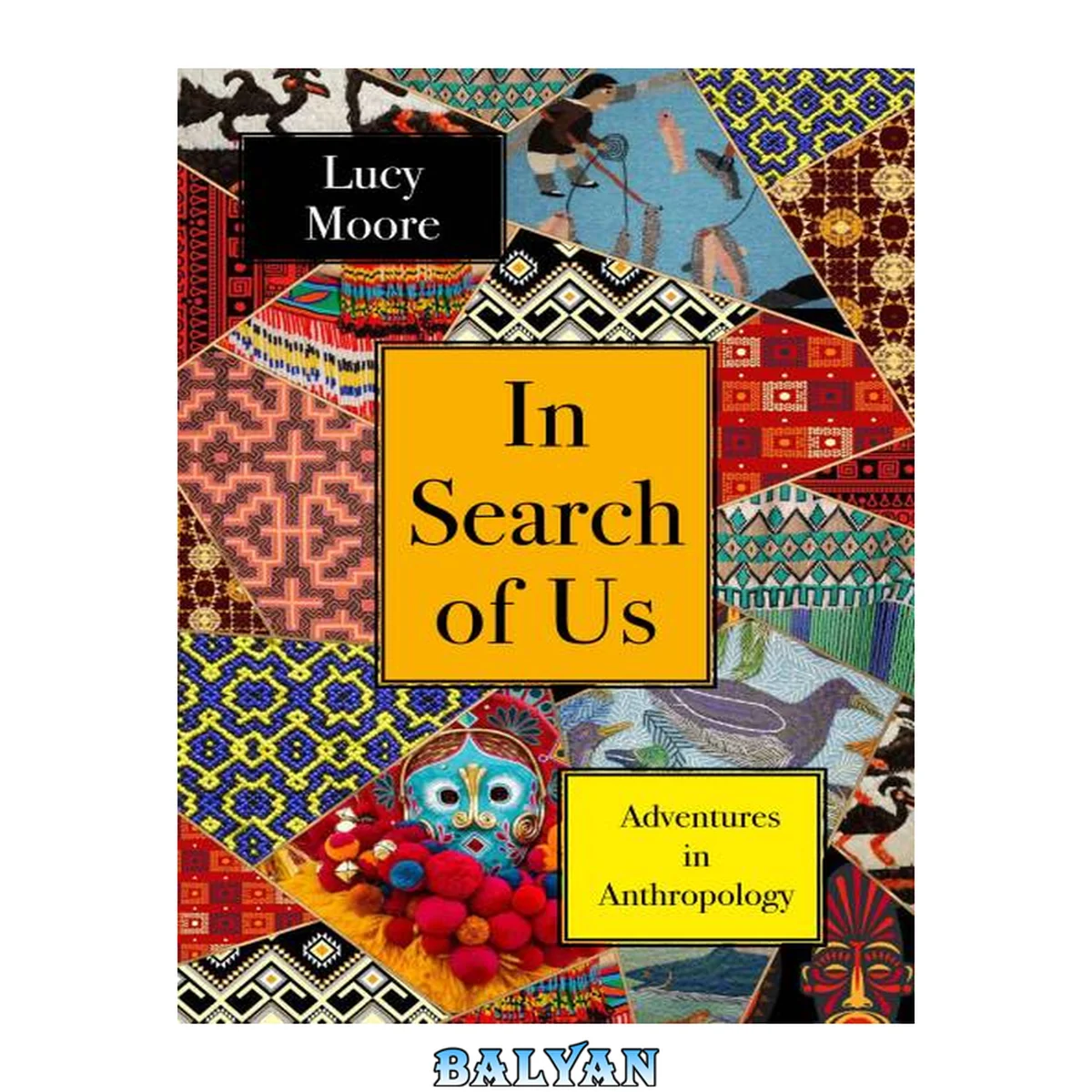
معرفی کتاب «In search of us : adventures in anthropology» نوشتهٔ Lucy Moore, 1970-، منتشرشده توسط نشر Atlantic Books (UK) در سال 2022. این کتاب در فرمت epub، زبان انگلیسی ارائه شده است.
در جستجوی خودمان: ماجراجویی در انسانشناسی، روایتی گیرا از زندگی و زمانهٔ پیشگامان انسانشناسی مدرن است. لوسی مور در این کتاب، با تمرکز بر سیزده چهرهٔ کلیدی اروپایی و آمریکایی، از فرانتس بوآس در جزیرهٔ بافین تا کلود لویاستروس در برزیل، داستانِ فراز و فرود این رشتهٔ علمیِ پُرکشش را روایت میکند. این کتاب نشان میدهد که چگونه مشاهداتِ مردان و زنانی که به مطالعهٔ «دیگری» پرداختند، در نهایت به دگرگونی نگرشها نسبت به نژاد، برابری جنسیتی، آزادی جنسی، شیوهٔ فرزندپروری و مدارا انجامید؛ نتایجی که خودِ این کاوشگران هرگز پیشبینی نمیکردند.
دربارهٔ کتاب — In Search of Us: Adventures in Anthropology
کتاب «در جستجوی خودمان: ماجراجویی در انسانشناسی» نوشتهٔ لوسی مور، در سال ۲۰۲۲ توسط انتشارات آتلانتیک بوکس (UK) منتشر شده است. این اثر با بهرهگیری از رویکردی زندگینامهای و روایتی داستانگونه، به بررسیِ دورانی میپردازد که انسانشناسی بهعنوان رشتهای علمیِ نوین و هیجانانگیز، ذهنهای برتر دانشگاهی را به خود جذب کرده بود. در اواخر سدهٔ نوزدهم میلادی، جوامع غیراروپایی اغلب بهعنوان «فسیلهای زنده»ای دیده میشدند که میتوانستند نگاهی به گذشتهٔ تمدن غربی بیندازند. اما تا میانهٔ سدهٔ بیستم، این نگاه دستخوش دگرگونی شد؛ افول استعمار و ویرانیهای دو جنگ جهانی، نگاهِ تکسویه و برتریجویانه به فرهنگهای دیگر را به چالش کشید. مور با روایتِ ماجراهای انسانشناسانی همچون برونیسلاو مالینوفسکی در جزایر تروبریاند، مارگارت مید در ساموآ، روت بندیکت در جنوبغرب آمریکا و زورا نیل هرستون در نیواورلئان، تصویری جذاب و چندلایه از این رشته ارائه میدهد. این کتاب صرفاً یک تاریخچهٔ علمی نیست، بلکه روایتی است از زندگیهای رنگارنگ، غیرمتعارف و آزاداندیشِ انسانشناسانی که با وجود تعصبها و کاستیهای خود، مسیری تازه در تفکر دربارهٔ انسان و فرهنگ گشودند. بهقول منتقدان، مور در این کتابِ «با روایتی دلنشین و دقیق» نشان میدهد که میراث این پیشگامان، نه صرفاً درک فرهنگهای دور، که آموختن به انسانها برای نگاه کردن به یکدیگر «با چشمانی شستهشده از تعصب» بوده است.
دربارهٔ نویسنده
لوسی مور (Lucy Moore) نویسنده و گویندهٔ رادیو و تلویزیون بریتانیایی است. او پیش از این، کتاب پرفروش Maharanis: The Lives & Times of Three Generations of Indian Princesses را تألیف کرده است. آثار و نوشتههای او در نشریات معتبری همچون ساندی تایمز، ابزرور، وُگ و هارپرز بازار به چاپ رسیده و خود او نیز مجری برنامههایی برای شبکههای بیبیسی و اسکای بوده است.
چرا باید In Search of Us را بخوانید؟
آشنایی با پیشگامان انسانشناسی مدرن: با مطالعهٔ این کتاب، با زندگی و اندیشهٔ سیزده چهرهٔ برجسته و تأثیرگذار در شکلگیری انسانشناسی بهعنوان رشتهای علمی آشنا میشوید؛ از فرانتس بوآس، پدر انسانشناسی آمریکایی، تا کلود لویاستروس، بنیانگذار ساختارگرایی.
دریافت روایتی جذاب و داستانگونه از تاریخ علم: کتاب بهجای ارائهٔ متنی خشک و دانشگاهی، با زبانی روایی و گیرا، ماجراهای واقعیِ این کاوشگران را در نقاط دوردست جهان روایت میکند و آن را به سفری پرهیجان در زمان و مکان تبدیل میسازد.
درک تحول نگرشها دربارهٔ «دیگری» و تأثیر آن بر فرهنگ معاصر: کتاب نشان میدهد که چگونه مشاهدات انسانشناسان از فرهنگهای موسوم به «ابتدایی»، بهطور ناخواسته بر مفاهیمی بنیادین مانند نژاد، جنسیت، والدگری و مدارا در جهان غرب تأثیر گذاشت و به تغییر نگاه انسان به خود انجامید.
کشف تناقضها و پیچیدگیهای تاریخ انسانشناسی: مور در روایت خود از هیچچیز فروگذار نمیکند و هم به دستاوردهای علمی این چهرهها میپردازد و هم به تعصبها، رقابتهای پنهان و جنبههای بحثانگیزِ کار میدانیِ آنها، که تصویری واقعگرایانه و متوازن ارائه میدهد.
دریافت بینشی انتقادی دربارهٔ میراث انسانشناسی: این کتاب خواننده را به تأمل در این پرسش دعوت میکند که آیا انسانشناسی توانسته است به وعدهٔ خود برای فهم «دیگری» جامهٔ عمل بپوشاند، یا در نهایت بیشتر به شناختِ خودِ انسان غربی انجامیده است.
این کتاب برای چه کسانی مناسب است؟
این کتاب برای طیف وسیعی از خوانندگان جذاب خواهد بود؛ از دانشجویان و پژوهشگران رشتههای انسانشناسی، تاریخ، جامعهشناسی و مطالعات فرهنگی که بهدنبال روایتی خواندنی و مستند از تاریخ رشتهٔ خود هستند، تا علاقهمندان به تاریخ علم و کسانی که از مطالعهٔ زندگینامهٔ چهرههای تأثیرگذار و آشنایی با فرهنگهای گوناگون لذت میبرند. همچنین، این کتاب برای هر خوانندهٔ کنجکاوی که به دنبال درکی عمیقتر از ریشههای نگرشهای معاصر به انسان و فرهنگ است، اثری ارزشمند و روشنگر به شمار میرود. لحن روایی و شیوای نویسنده، مفاهیم پیچیده را برای مخاطب غیرمتخصص نیز قابلدرک میسازد.
سوالات متداول
آیا کتاب صرفاً به شرح حال افراد میپردازد یا به مفاهیم علمی نیز میپردازد؟
کتاب با موفقیت این دو وجه را در هم میآمیزد. روایت اصلی بر اساس زندگی و ماجراهای انسانشناسان شکل گرفته، اما در خلال آن، مفاهیم و نظریههای کلیدی انسانشناسی مانند نسبیگرایی فرهنگی، کار میدانی، ساختارگرایی و... نیز بهصورت طبیعی و قابلفهم برای مخاطب عام توضیح داده میشود.
آیا این کتاب نگاهی انتقادی به انسانشناسی و استعمار دارد؟
بله، نویسنده با نگاهی متوازن، نه تنها به دستاوردهای علمی پیشگامان انسانشناسی میپردازد، بلکه به جنبههای بحثانگیز آن، از جمله پیوند این رشته با استعمار، نگاهِ برتربینانه به جوامع غیرغربی و سوءاستفادههای اخلاقی در کار میدانی نیز اشاره میکند. این امر کتاب را به اثری انتقادی و پویا تبدیل کرده است.
تأثیر این کتاب بر خواننده چیست؟
کتاب «در جستجوی خودمان» خواننده را به سفری فکری میبرد که میتواند نگاه او را به مفهوم «فرهنگ»، «دیگری» و حتی خودش دگرگون کند. این اثر با نشان دادن تاریخچهٔ تلاش بشر برای فهم تنوع انسانی، مخاطب را به تفکر دربارهٔ پیشداوریهایش واداشته و به او میآموزد که جهان را با چشمانی پرسشگر و عاری از تعصب ببیند.
\*\*\*A Waterstones Best Books of 2022 pick\*\*\* The story of the pioneering anthropologists and their adventures among civilisations that were first thought of as being primitive and savage. What they discovered, however, would change the way we think about ourselves. In the late nineteenth century, when non-European societies were seen as 'living fossils' offering an insight into how Western civilisation had evolved, anthropology was a thrilling new discipline which attracted the brightest minds of the academic world. But, by the middle of the twentieth century, colonialism was recognised as being inextricably linked to exploitation and outdated labels like 'savage' were inconceivable when so-called 'civilised' man had wreaked such devastation across two world wars. Focusing on twelve key European and American anthropologists working in the field, from Franz Boas on Baffin Island in the 1880s to Claude Lévi-Strauss in Brazil fifty years later, Lucy Moore explores the brief flowering of anthropology as a quasi-scientific area of study with all its insights and ambivalence. In Search of Us tells the story of the men and women whose observations of the 'other' would transform attitudes about race, gender equality, sexual liberation, parenting and tolerance in ways they had never anticipated. In an enthralling, perceptive narrative, Moore shows how these radical anthropologists were inspired by their time in the furthest-flung reaches of the known world, becoming pioneers of a new way of thinking. In the end, their legacy is less about understanding foreign cultures and more about their attempts to persuade human beings to look at one another with eyes washed free from prejudice. Their intention may have been to explain what they saw as the primitive world to the civilised one but they ended up changing the way people viewed themselves - at least for a time. The story of the pioneering anthropologists and their adventures among civilisations that were first thought of as being primitive and savage. What they discovered, however, would change the way we think about ourselves.00In the late nineteenth century, when non-European societies were seen as 'living fossils' offering an insight into how Western civilisation had evolved, anthropology was a thrilling new discipline which attracted the brightest minds of the academic world. But, by the middle of the twentieth century, colonialism was recognised as being inextricably linked to exploitation and outdated labels like 'savage' were inconceivable when so-called 'civilised' man had wreaked such devastation across two world wars.00Focusing on twelve key European and American anthropologists working in the field, from Franz Boas on Baffin Island in the 1880s to Claude Lévi-Strauss in Brazil fifty years later, Lucy Moore explores the brief flowering of anthropology as a quasi-scientific area of study with all its insights and ambivalence. In Search of Us tells the story of the men and women whose observations of the 'other' would transform attitudes about race, gender equality, sexual liberation, parenting and tolerance in ways they had never anticipated. 00In an enthralling, perceptive narrative, Moore shows how these radical anthropologists were inspired by their time in the furthest-flung reaches of the known world, becoming pioneers of a new way of thinking. In the end, their legacy is less about understanding foreign cultures and more about their attempts to persuade human beings to look at one another with eyes washed free from prejudice. Their intention may have been to explain what they saw as the primitive world to the civilised one but they ended up changing the way people viewed themselves - at least for a time À la fin du XIXe siècle, lorsque les sociétés non européennes étaient considérées comme de simples "fossiles vivants" offrant un aperçu de l'évolution de la civilisation, l'anthropologie était un domaine d'étude florissant. Mais, au milieu du vingtième siècle, il était difficile de réfléchir aux idées de "sauvages" et d'altérité alors que l'homme "civilisé" avait causé une telle dévastation au cours de deux guerres mondiales, et le travail de terrain devait être remplacé par la sociologie et l'étude de toutes les sociétés humaines. En se concentrant sur treize figures européennes et américaines clés dans ce domaine, de Franz Boas sur l'île de Baffin à Zora Neale Hurston à la Nouvelle-Orléans et Claude Lévi-Strauss au Brésil, Lucy Moore raconte l'histoire de la brève floraison de l'anthropologie en tant que domaine d'étude quasi-scientifique, et des hommes et des femmes dont les observations de "l'autre" ont involontairement influencé les attitudes sur la race, l'égalité des sexes, la libération sexuelle, l'éducation des enfants et la tolérance d'une manière qu'ils n'avaient jamais prévue. Dans un récit passionnant et perspicace, Moore montre comment, aussi involontaire que cela ait été, ces anthropologues allaient devenir les pionniers d'une nouvelle façon de penser. Leur héritage consiste moins à comprendre des cultures lointaines qu'à apprendre aux gens à se regarder les uns les autres "avec des yeux lavés de tout préjugé". Leur intention était peut-être d'expliquer le monde primitif au monde civilisé, mais ils ont fini par changer la façon dont nous nous percevons, du moins pour un temps The story of the pioneering anthropologists and their adventures among civilisations that were first thought of as being primitive and savage. What they discovered, however, would change the way we think about ourselves. In the late nineteenth century when non-European societies were seen merely as 'living fossils' offering an insight into how civilisation had evolved, anthropology was a thriving area of study. But, by the middle of the twentieth century, it was difficult to think about ideas of 'savages' and otherness when 'civilised' man had wreaked such devastation across two world wars, and field work was to be displaced by sociology and the study of all human society. By focusing on thirteen key European and American figures in this field, from Franz Boas on Baffin Island to Zora Neale Hurston in New Orleans and Claude Levi-Strauss in Brazil, Lucy Moore tells the story of the brief flowering of anthropology as a quasi-scientific area of study, and about the men and women whose observations of the 'other' were unwittingly to come to bear on attitudes about race, gender equality, sexual liberation, parenting and tolerance in ways they had never anticipated. In an enthralling and perceptive narrative, Moore shows how, unintended though it was, these anthropologists were to become pioneers of a new way of thinking. Their legacy is less about understanding far away cultures and more about teaching people to look at one another 'with eyes washed free from prejudice.' Their intention may have been to explain the primitive world to the civilised one, but they ended up by changing the way we think about ourselves - at least for a time. The story of the pioneering anthropologists and their adventures among civilizations that were first thought of as being primitive and savage. What they discovered, however, would change the way we think about ourselves. In the late nineteenth century when non-European societies were seen merely as living fossils offering an insight into how civilization had evolved, anthropology was a thriving area of study. But, by the middle of the twentieth century, it was difficult to think about ideas of savages and otherness when civilized man had wreaked such devastation across two world wars, and field work was to be displaced by sociology and the study of all human society. By focusing on thirteen key European and American figures in this field, from Franz Boas on Baffin Island to Zora Neale Hurston in New Orleans and Claude Lvi-Strauss in Brazil, Lucy Moore tells the story of the brief flowering of anthropology as a quasi-scientific area of study, and about the men and women whose observations of the other were unwittingly to come to bear on attitudes about race, gender equality, sexual liberation, parenting and tolerance in ways they had never anticipated. In an enthralling and perceptive narrative, Moore shows how, unintended though it was, these anthropologists were to become pioneers of a new way of thinking. Their legacy is less about understanding far away cultures and more about teaching people to look at one another with eyes washed free from prejudice. Their intention may have been to explain the primitive world to the civilized one, but they ended up by changing the way we think about ourselves at least for a time. "In the late nineteenth century when non-European societies were seen merely as ‘living fossils’ offering an insight into how civilization had evolved, anthropology was a thriving area of study. But, by the middle of the twentieth century, it was difficult to think about ideas of ‘savages’ and otherness when ‘civilized’ man had wreaked such devastation across two world wars, and field work was to be displaced by sociology and the study of all human society. By focusing on thirteen key European and American figures in this field, from Franz Boas on Baffin Island to Zora Neale Hurston in New Orleans and Claude Lévi-Strauss in Brazil, Lucy Moore tells the story of the brief flowering of anthropology as a quasi-scientific area of study, and about the men and women whose observations of the ‘other’ were unwittingly to come to bear on attitudes about race, gender equality, sexual liberation, parenting and tolerance in ways they had never anticipated. In an enthralling and perceptive narrative, Moore shows how, unintended though it was, these anthropologists were to become pioneers of a new way of thinking. Their legacy is less about understanding far away cultures and more about teaching people to look at one another ‘with eyes washed free from prejudice.’ Their intention may have been to explain the primitive world to the civilized one, but they ended up by changing the way we think about ourselves – at least for a time." -- Provided by publisher.