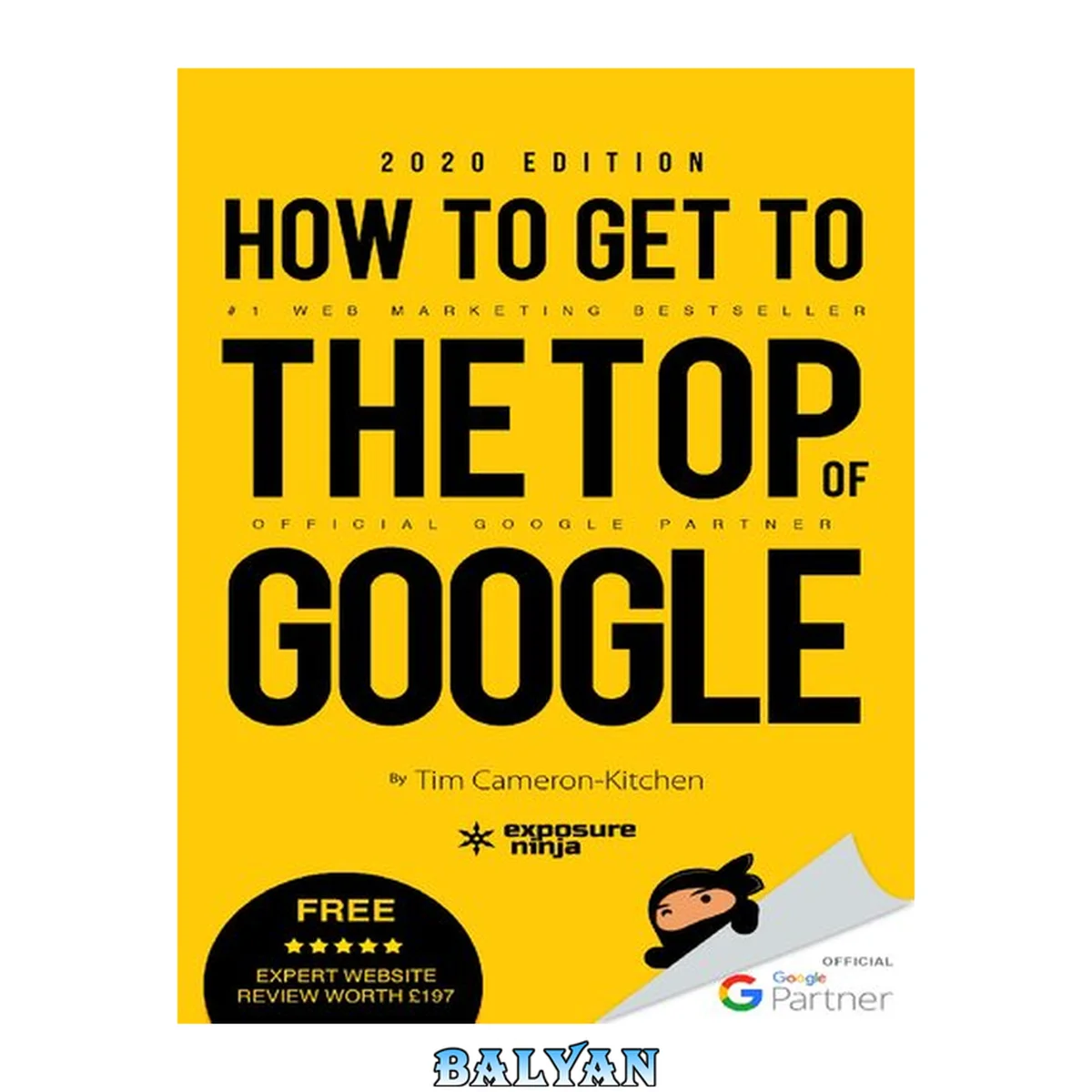
معرفی کتاب «How To Get To The Top Of Google in 2020: The Plain English Guide to SEO» نوشتهٔ Powell، DiMaggio، Paul J، Walter W و Tuxford, Andrew; Davies, Dale; Cameron-Kitchen, Tim، منتشرشده توسط نشر 2020 در سال 2020. این کتاب در فرمت pdf، زبان انگلیسی ارائه شده است.
کسب جایگاه نخست در نتایج جستجوی گوگل، رویایی است که بسیاری از صاحبان کسبوکار و فعالان حوزهٔ دیجیتال مارکتینگ در سر میپرورانند، اما دستیابی به آن نیازمند دانشی دقیق و بهروز است. کتاب How To Get To The Top Of Google in 2020: The Plain English Guide to SEO نوشتهٔ تیم کامرون-کیچن، با زبانی ساده و کاربردی، نقشهراهی گامبهگام برای افزایش رتبهٔ وبسایت و جذب ترافیک هدفمند ارائه میدهد و به یکی از پرفروشترین منابع در این زمینه تبدیل شده است.
دربارهٔ کتاب How To Get To The Top Of Google in 2020 —
این کتاب که توسط تیم کامرون-کیچن، بنیانگذار آژانس دیجیتال مارکتینگ «اکسپوژر نینجا» (Exposure Ninja)، نوشته شده، راهنمایی جامع و بدون اصطلاحات پیچیده برای بهینهسازی موتورهای جستجو (SEO) است. اثر حاضر که در سال ۲۰۲۰ منتشر شده، برخلاف بسیاری از منابع دیگر که مملو از اصطلاحات تخصصی و گیجکننده هستند، با زبانی ساده و روان، مفاهیم پیچیدهٔ سئو را برای همگان قابلدرک میسازد. ایدهٔ محوری کتاب بر این اصل استوار است که با بهکارگیری استراتژیهای درست و میدانی، هر وبسایتی، حتی بدون پیشینهٔ فنی، میتواند به رتبههای برتر گوگل دست یابد. نویسنده با تکیه بر تجربیات عملی تیم خود در اکسپوژر نینجا، به بررسی سه رکن اصلی سئو یعنی «بنیانها»، «وبسایت شما» و «ارتقای وبسایت» میپردازد و در هر بخش، تکنیکهای اثباتشدهای را برای افزایش بازدید و فروش ارائه میدهد. فضای کتاب، کاملاً عملی و نتایجمحور است و با ارائهٔ نمونههای واقعی از کسبوکارهایی که با بهکارگیری این راهکارها به رشد چشمگیری دست یافتهاند، اعتبار مطالب را دوچندان میکند.
دربارهٔ نویسنده
تیم کامرون-کیچن (Tim Cameron-Kitchen) نویسندهٔ این کتاب و بنیانگذار و مدیرعامل آژانس دیجیتال مارکتینگ برندهٔ جوایز متعدد، «اکسپوژر نینجا» است. او که پیشتر یک درامر حرفهای بود، با علاقهمند شدن به دنیای سئو و پس از راهاندازی وبسایتی برای همسایهٔ خود، پا به عرصهٔ دیجیتال مارکتینگ گذاشت. تیم کامرون-کیچن با بیش از صدها مشتری و هدایت تیمی متشکل از ۱۰۰ نفر، به یکی از چهرههای تأثیرگذار در این حوزه تبدیل شده و چندین کتاب پرفروش دیگر نیز در کارنامهٔ خود دارد. داستان او نشان میدهد که هر کسی، حتی بدون پیشینهٔ تخصصی در سئو، میتواند با یادگیری اصول صحیح، وبسایت خود را به جایگاه نخست گوگل برساند.
چرا باید How To Get To The Top Of Google in 2020 را بخوانید؟
مطالعهٔ این کتاب، بینشها و دستاوردهای ارزشمندی را برای شما به همراه خواهد داشت که در ادامه به برخی از مهمترین آنها اشاره میشود:
- آشنایی با چهار روش رایگان برای دیدهشدن در گوگل: یاد میگیرید چگونه از نتایج ارگانیک، جعبههای ویژه (Featured Snippets)، گوگل مپ و وبسایتهای دیگر، بازدیدکنندگان جذب کنید.
- تحقیق کلمات کلیدی سودآور: با روشهای گامبهگام، کلمات کلیدیای را پیدا میکنید که مشتریان واقعی برای یافتن محصول یا خدمات شما از آنها استفاده میکنند.
- بهبود ساختار و محتوای وبسایت: میآموزید چگونه سایت خود را برای گوگل و بازدیدکنندگان بهینه کنید، محتوای جذاب و کارآمد بنویسید و از اشتباهات رایج سئو پرهیز نمایید.
- ارتقای وبسایت با استراتژیهای لینکسازی و روابط عمومی دیجیتال: با تکنیکهای جذاب برای دریافت بکلینک از وبسایتهای معتبر و برندسازی آنلاین آشنا میشوید.
- طراحی یک استراتژی جامع سئو: در نهایت، تمام آموختهها را در قالب یک برنامهٔ عملیاتی منسجم جمعبندی کرده و یاد میگیرید که پیشرفت خود را با معیارهای دقیق اندازهگیری کنید.
این کتاب برای چه کسانی مناسب است؟
این کتاب منبعی ایدهآل برای طیف گستردهای از افراد است؛ از صاحبان کسبوکارهای کوچک و کارآفرینان آنلاین که تازهکار هستند و میخواهند فروش خود را از طریق گوگل افزایش دهند، تا بازاریابان دیجیتال و متخصصانی که با سئو آشنایی دارند اما به دنبال بهروزترین تکنیکها و رویکردی عملی و بدون پیچیدگیهای غیرضروری هستند. همچنین، برای کسانی که پیشتر با سئو کار کردهاند اما از نتایج بهدستآمده رضایت نداشتهاند، این کتاب میتواند راهگشا باشد و با ارائهٔ استراتژیهای میدانی و اثباتشده، افقهای جدیدی را پیش روی آنها بگشاید. زبان ساده و شیوای کتاب، آن را برای افرادی که پیشینهٔ فنی ندارند نیز بسیار قابلاستفاده ساخته است.
سوالات متداول
آیا مطالب کتاب صرفاً برای سال ۲۰۲۰ کاربرد دارد یا هنوز هم قابل استفاده است؟
با وجود اینکه عنوان کتاب بر سال ۲۰۲۰ تمرکز دارد، اصول بنیادین و بسیاری از استراتژیهای ارائهشده در آن، مانند تحقیق کلمات کلیدی، بهینهسازی محتوا و لینکسازی، همچنان از ارکان اصلی سئو محسوب میشوند. همچنین، نویسنده و تیم او معمولاً کتاب را با تغییرات الگوریتم گوگل بهروز میکنند و رویکرد کلی کتاب بر ارائهٔ روشهایی استوار است که در بلندمدت مؤثر هستند.
آیا برای بهرهمندی از کتاب، به دانش فنی یا برنامهنویسی نیاز دارم؟
خیر، یکی از نقاط قوت اصلی این کتاب، بیان مفاهیم به زبان ساده و خودداری از اصطلاحات پیچیدهٔ فنی است. نویسنده بهصراحت بیان میکند که هیچ دانش فنی پیشنیازی برای درک و اجرای تکنیکهای موجود در کتاب لازم نیست و تمام مراحل بهگونهای طراحی شدهاند که برای عموم قابلپیادهسازی باشد.
آیا این کتاب صرفاً بر ترافیک وبسایت تمرکز دارد یا به افزایش فروش نیز کمک میکند؟
هدف نهایی این کتاب، صرفاً افزایش ترافیک نیست، بلکه جذب بازدیدکنندگانی است که به مشتری تبدیل میشوند. نویسنده با ارائهٔ مطالعههای موردی متعدد، نشان میدهد که چگونه پیادهسازی راهکارهای کتاب منجر به افزایش چشمگیر فروش و درآمد کسبوکارهای واقعی شده است، از جمله کسبوکاری که فروش ماهانهٔ خود را از ۲ هزار دلار به بیش از٫۴ میلیون دلار رسانده است.
Become one of the 10,000+ business owners and marketers who have used this bestselling no-nonsense SEO book to increase their rankings and sell more. Whether you’ve dabbled in Search Engine Optimisation (SEO) and been disappointed with the results, are a complete SEO newbie looking for a large slice of the ranking pie or you’re a seasoned professional looking to stay up to date with the best SEO practices, this book is for you. How would it feel to... Understand how Google chooses which websites to rank? Know exactly what keywords to target to attract people who are ready to buy what you sell? Have your most profitable keywords hit the top spot? Confidently be able to tweak your website and its structure (no technical know-how needed!) for fast gains? Be able to write killer content that Google and your visitors love? Build relationships with key publication players in your industry and have them begging for your content? Have crafted a complete SEO strategy to laser-target your focus and get big results? What kind of results can you achieve? One of our clients came to us in 2015 asking for help. His business was making $2k per month in sales, and he was contemplating closing shop. Today, that business turns over $3.4million per month, thanks to the strategies in this book.You’ll read about this business and others in the book. Every strategy is data-backed and battle-tested by the Exposure Ninja team, who grow real businesses like yours. A free gift before we begin... How Easy Is It To Rank? How to Use This Book The Structure of this Book This Book is Not Written By an Author Section 1: The Foundations Chapter 1: Four free ways to appear on the first page of Google Method 1: Google Organic Results Method 2: Featured Snippets Method 3: Google Local Method 4: Using Other People’s Websites Chapter 2: How Google decides where to rank you and your competitors Ranking Pillar 1: Relevance How Does Google Measure Relevance? Myth Buster: Indexing Ranking Pillar 2: Popularity and Authority Ranking Pillar 3: Quality Upgrade 1: Your Website’s Content Upgrade 2: Errors and Broken Links Upgrade 3: Mobile Friendliness Chapter 3: How to find and rank for the most profitable keywords Step 1. Brainstorm keywords Step 2. Download keywords from Search Console Step 3. Use SEMrush to find keywords Step 4. Check competitor keywords Step 5. If you’re a location-based business... Step 6. Find your most profitable keywords Step 7. Google keywords to check the search results are relevant Step 8. Now you’ve got your keywords, find your key pages A final word about keyword research Chapter 4: Analysing your competition and identifying their strengths and weaknesses PRO TIP: Checking Ranking Deconstructing Your Competitors’ Success Chapter 5: An Introduction to backlinks Anchor Text Section 2: Your Website Chapter 6: Website Optimisation Chapter 7: Domains and URLs Key EMD Myths Differences between TLDs Hyphens and Separators Domain Length Domain Age Capital Letters Page URLs Capital Letters Chapter 8: How to structure a top-ranking website Folders and Directories Use Separate Pages for Each Service Chapter 9: Sitemaps Chapter 10: One website or multiple? Chapter 11: Website usability and performance Chapter 12: Mobile Mobile Friendliness Responsive Websites vs Separate Mobile Websites Chapter 13: How to write for Google and profit What Is Good Content? Spelling. And Grammer. Duplicate Content Where a Site Can Be Penalised for Duplicate Content Headings Content for eCommerce (or Other Large Websites) Chapter 14: How To Use Knowledge Bases and FAQs To 10X Your Organic Traffic How to Plan a Knowledge Base Chapter 15: How to use your blog to actually make money Further Resources Chapter 16: Behind the scenes optimisation The Fastest Way To Improve Your Ranking: Writing Killer Page Titles Meta Descriptions Meta Keywords Image Optimisation Schema Markup Chapter 17: Website speed hacks Mobile Site Speed Human Response Times: The 3 Important Limits Measuring Your Website’s Performance Chapter 18: Google Search Console Manual Actions and Reconsideration Requests Section 3: Promoting Your Website Chapter 19: Link acquisition basics Chapter 20: Good links vs bad links Are you suffering from a link penalty? Link Metrics Domain Authority (DA) Page Authority (PA) Trust Flow (TF) Citation Flow (CF) How to Use These Metrics Chapter 21: Online directories Market-Specific Directories vs General Directories How To Spot a Spammy Directory Chapter 22: Links from video Chapter 23: Introduction to content marketing Chapter 24: How to get featured on the world’s biggest websites through digital PR Using PR For Free Advertising/Lead Generation Pitching for TV Coverage Following Up Journalists and Editors Chapter 25: 95% of surveys are run by businesses looking for PR eCommerce Data Outreach Example Lead Generation Data Outreach How To Run Your Own Data Outreach Study Chapter 26: Blogger and influencer outreach Chapter 27: How to get influencers to promote your business How to pitch to influencers without feeling awkward Chapter 28: How to use Inbound PR requests to get featured in top-tier publications... free How To Do All Of This Without Paying For Journalist Enquiry Services Chapter 29: Using social media to boost your SEO Optimise Your Social Profiles How to Get Your Business Showing Up as an Expanded Listing on Google Optimising Your Facebook Page How to Get Lots of Reviews on Facebook and Google Section 4: Designing and Implementing your SEO Strategy Chapter 30: How to plan an SEO strategy Step 1: Website Review Step 2: Keyword Targeting Step 3: Competitor Analysis Step 4: Website Optimisation Step 5: Phase 1 Links Step 6: Phase 2 Links Step 7: Measure Progress and Refocus Chapter 31: How to measure your progress How to measure how many keywords your website is ranking for How to measure and track the most relevant keywords Chapter 32: Outsourcing vs DIY Chapter 33: Further help and advice Title Page Copyright Page Table of Contents Introduction Who this book is for and why it exists What sort of results can you expect? What being at the top of Google will mean for your business A free gift before we begin... How Easy Is It To Rank? How to Use This Book The Structure of this Book This Book is Not Written By an Author Section 1: The Foundations Chapter 1: Four free ways to appear on the first page of Google Method 1: Google Organic Results Method 2: Featured Snippets Method 3: Google Local Method 4: Using Other People’s Websites Chapter 2: How Google decides where to rank you and your competitors Ranking Pillar 1: Relevance How Does Google Measure Relevance? Myth Buster: Indexing Ranking Pillar 2: Popularity and Authority Ranking Pillar 3: Quality Upgrade 1: Your Website’s Content Upgrade 2: Errors and Broken Links Upgrade 3: Mobile Friendliness Chapter 3: How to find and rank for the most profitable keywords Step 1. Brainstorm keywords Step 2. Download keywords from Search Console Step 3. Use SEMrush to find keywords Step 4. Check competitor keywords Step 5. If you’re a location-based business... Step 6. Find your most profitable keywords Step 7. Google keywords to check the search results are relevant Step 8. Now you’ve got your keywords, find your key pages A final word about keyword research Chapter 4: Analysing your competition and identifying their strengths and weaknesses PRO TIP: Checking Ranking Deconstructing Your Competitors’ Success Chapter 5: An Introduction to backlinks Anchor Text Section 2: Your Website Chapter 6: Website Optimisation Chapter 7: Domains and URLs Key EMD Myths Differences between TLDs Hyphens and Separators Domain Length Domain Age Capital Letters Page URLs Capital Letters Chapter 8: How to structure a top-ranking website Folders and Directories Use Separate Pages for Each Service Chapter 9: Sitemaps Chapter 10: One website or multiple? Chapter 11: Website usability and performance Chapter 12: Mobile Mobile Friendliness Responsive Websites vs Separate Mobile Websites Chapter 13: How to write for Google and profit What Is Good Content? Spelling. And Grammer. Duplicate Content Where a Site Can Be Penalised for Duplicate Content Headings Content for eCommerce (or Other Large Websites) Chapter 14: How To Use Knowledge Bases and FAQs To 10X Your Organic Traffic How to Plan a Knowledge Base Chapter 15: How to use your blog to actually make money Further Resources Chapter 16: Behind the scenes optimisation The Fastest Way To Improve Your Ranking: Writing Killer Page Titles Meta Descriptions Meta Keywords Image Optimisation Schema Markup Chapter 17: Website speed hacks Mobile Site Speed Human Response Times: The 3 Important Limits Measuring Your Website’s Performance Chapter 18: Google Search Console Manual Actions and Reconsideration Requests Section 3: Promoting Your Website Chapter 19: Link acquisition basics Chapter 20: Good links vs bad links Are you suffering from a link penalty? Link Metrics Domain Authority (DA) Page Authority (PA) Trust Flow (TF) Citation Flow (CF) How to Use These Metrics Chapter 21: Online directories Market-Specific Directories vs General Directories How To Spot a Spammy Directory Chapter 22: Links from video Chapter 23: Introduction to content marketing Chapter 24: How to get featured on the world’s biggest websites through digital PR Using PR For Free Advertising/Lead Generation Pitching for TV Coverage Following Up Journalists and Editors Chapter 25: 95% of surveys are run by businesses looking for PR eCommerce Data Outreach Example Lead Generation Data Outreach How To Run Your Own Data Outreach Study Chapter 26: Blogger and influencer outreach Chapter 27: How to get influencers to promote your business How to pitch to influencers without feeling awkward Chapter 28: How to use Inbound PR requests to get featured in top-tier publications... free How To Do All Of This Without Paying For Journalist Enquiry Services Chapter 29: Using social media to boost your SEO Optimise Your Social Profiles How to Get Your Business Showing Up as an Expanded Listing on Google Optimising Your Facebook Page How to Get Lots of Reviews on Facebook and Google Section 4: Designing and Implementing your SEO Strategy Chapter 30: How to plan an SEO strategy Step 1: Website Review Step 2: Keyword Targeting Step 3: Competitor Analysis Step 4: Website Optimisation Step 5: Phase 1 Links Step 6: Phase 2 Links Step 7: Measure Progress and Refocus Chapter 31: How to measure your progress How to measure how many keywords your website is ranking for How to measure and track the most relevant keywords Chapter 32: Outsourcing vs DIY Chapter 33: Further help and advice