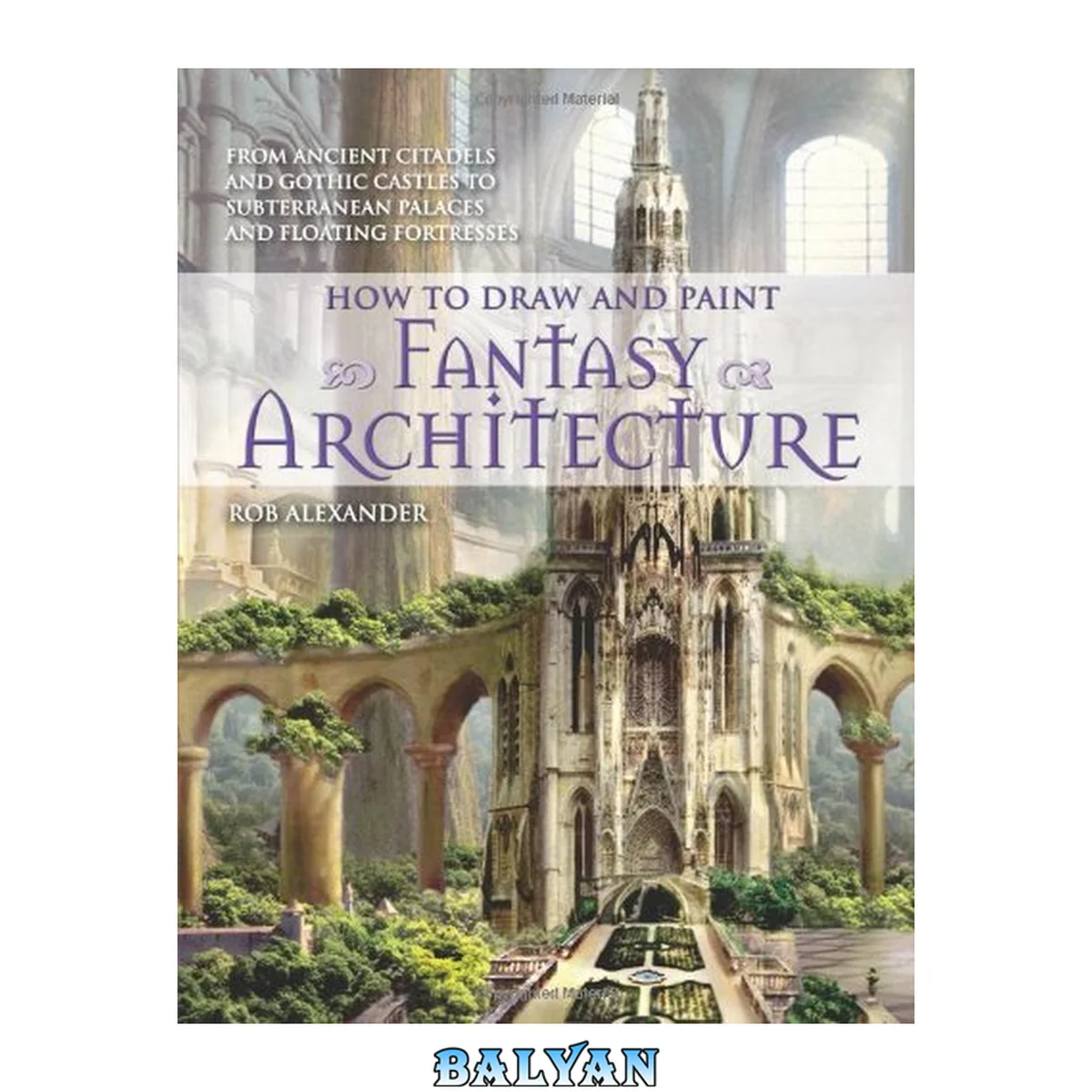
How to Draw and Paint Fantasy Architecture : From Ancient Citadels and Gothic Castles to Subterranean Palaces and Floating Fortresses
معرفی کتاب «How to Draw and Paint Fantasy Architecture : From Ancient Citadels and Gothic Castles to Subterranean Palaces and Floating Fortresses» نوشتهٔ Rob Alexander، منتشرشده توسط نشر Barron's Educational Series در سال 2010. این کتاب در 128 صفحه، فرمت pdf، زبان انگلیسی ارائه شده است.
رابرت الکساندر، تصویرگر برجستهٔ حوزهٔ خیالپردازی، در کتاب «How to Draw and Paint Fantasy Architecture» به هنرجویان و علاقهمندان هنرهای تجسمی میآموزد که چگونه معماریهای خیالی را از دل تاریخ وام گرفته و با قلم و رنگ خود جان تازهای به آنها ببخشند. این کتاب با تکیه بر اصول آکادمیک طراحی و نقاشی، همچون پرسپکتیو و نورپردازی، راهنمایی گامبهگام برای خلق دنیاهای خارقالعادهای ارائه میدهد که نهتنها چشمنواز، بلکه باورپذیر و مستحکم هستند.
دربارهٔ کتاب —
کتاب «How to Draw and Paint Fantasy Architecture» مرجعی جامع و مصور برای هنرمندانی است که به دنبال ورود به عرصهٔ تصویرسازی بازیهای رایانهای، کتابهای مصور کودکان، رمانهای گرافیکی و سایر رسانههای مرتبط هستند. این اثر با بررسی عمیق اشکال معماری سنتی همچون طاقها، ستونها، برجها و پایهها آغاز میشود و پایهای محکم برای درک ساختار بناها فراهم میآورد. سپس در فصلهای بعدی، اصول کلیدی نور، سایه و پرسپکتیو را به این فرمهای معماری تعمیم داده و روشهای خلق بافتهای سطحی و فضاسازی دراماتیک را آموزش میدهد. این کتاب با راهنمایی مخاطب در طیف وسیعی از پروژههای عملی با درجهٔ سختی فزاینده، او را برای خلق تصاویری از قلعهها، کاخها، سیاهچالها و حتی معماریهای بیگانه و واقعیتهای جایگزین آماده میسازد. الکساندر با بهرهگیری از بیش از ۲۵۰ تصویر رنگی، هنرمند را در سفری بصری همراهی میکند تا نهتنها تکنیکهای لازم برای بهتصویر کشیدن بناهای خارقالعاده را بیاموزد، بلکه درک عمیقتری از چگونگی انتقال حس و حال مکانهای رویایی خود پیدا کند.
دربارهٔ نویسنده
رابرت الکساندر، نویسندهٔ این کتاب، یک هنرمند تصویرگر و هنرمند مفهومی برجستهٔ کانادایی است که آثارش در بازارهای گوناگونی از جمله مجلات، بازیهای رایانهای و کارتهای کلکسیونی به چشم میخورد. تخصص او در زمینههای هنرهای زیبا، خیالپردازی و علمی-تخیلی، او را به چهرهای آشنا در این صنعت تبدیل کرده است. الکساندر پیش از این نیز کتاب موفق «Drawing and Painting Fantasy Landscapes and Cityscapes» را تألیف کرده که توسط انتشارات Barron's به چاپ رسیده است و کارنامهای درخشان از کسب جوایز متعدد، از جمله جایزهٔ معتبر چسلی از انجمن هنرمندان علمی-تخیلی و فانتزی، دارد.
چرا باید «How to Draw and Paint Fantasy Architecture» را بخوانید؟
آشنایی با سبکهای معماری جهان: از معماری خاورمیانه و رومانسک گرفته تا گوتیک، آسیایی و حتی مدرن و فوتوریستی، این کتاب مروری جامع بر سبکهایی دارد که الهامبخش دنیاهای خیالی هستند. درک اصول تصویرسازی پیشرفته: فراتر از یک کتاب طراحی ساده، این اثر به اصول بنیادین خلق یک تصویر حرفهای مانند ترکیببندی، تئوری رنگ، پرسپکتیو و چگونگی خلق فضا و درام میپردازد. تسلط بر بافتها و جزئیات: شما میآموزید که چگونه بافتهای مختلفی مانند چوب، سنگ، آجر، گچ، مرمر و حتی آسیبهای ناشی از آتش و فرسودگی را با استفاده از ابزارهای سنتی و دیجیتال به تصویر بکشید. پروژههای گامبهگام و عملی: این کتاب صرفاً به تئوری اکتفا نکرده و با ارائهٔ پروژههای متنوع، هنرجو را گامبهگام در فرآیند خلق آثار کامل از طراحی اولیه تا نقاشی نهایی راهنمایی میکند. مرجعی الهامبخش برای طراحان جهانها: نویسندگان و طراحان بازی نیز میتوانند از این کتاب به عنوان منبعی غنی برای الهامگیری و درک بهتر فضاهای معماری در داستانهای خود استفاده کنند.
این کتاب برای چه کسانی مناسب است؟
این کتاب عمدتاً برای هنرجویان و هنرمندانی طراحی شده که قصد دارند حرفهای در زمینهٔ تصویرسازی بازیهای رایانهای، کتابهای مصور، رمانهای گرافیکی یا هنرهای مفهومی دنبال کنند. همچنین برای علاقهمندان به هنر خیالپردازی که میخواهند دنیاهای رویایی خود را بر روی کاغذ بیاورند، منبعی ایدهآل محسوب میشود. با این حال، این کتاب فرض را بر این میگیرد که مخاطب با اصول پایهٔ طراحی و نقاشی آشنایی دارد و صرفاً یک کتاب آموزش مقدماتی طراحی نیست. هنرمندانی که به دنبال ارتقای مهارتهای خود در زمینهٔ معماری و فضاسازی خیالی هستند، با مطالعهٔ این اثر به ارزشمندترین بینشها دست خواهند یافت.
سوالات متداول
آیا این کتاب برای هنرمندان دیجیتال مناسب است یا سنتی؟
این کتاب برای هنرمندانی که با هر دو رسانهٔ سنتی و دیجیتال کار میکنند، طراحی شده است. الکساندر در بخشهایی از کتاب به طور خاص به مواد و ابزارهای دیجیتال اشاره کرده و تکنیکهایی را ارائه میدهد که با رویکرد «رسانههای ترکیبی» (mixed-media) خود اجرا کرده است، هرچند برخی خوانندگان آرزوی تفصیل بیشتر در این زمینه را داشتهاند.
آیا این کتاب یک دورهٔ کامل طراحی معماری است؟
خیر، این کتاب بیشتر به عنوان یک مرجع و راهنمای عملی برای خلق و بهتصویر کشیدن معماری خیالی عمل میکند. اگرچه اصول کلیدی پرسپکتیو و ترکیببندی را پوشش میدهد، اما انتظار میرود که مخاطب پیشزمینهای از مهارتهای طراحی داشته باشد و از این کتاب برای عمق بخشیدن و جهتدهی به آن مهارتها در زمینهٔ معماری خیالپردازانه استفاده کند.
آیا این کتاب صرفاً بر روی معماری غربی تمرکز دارد؟
خیر، یکی از نقاط قوت این کتاب، پوشش طیف گستردهای از سبکهای معماری از سراسر جهان است. از معماری خاورمیانه و رومانسک گرفته تا گوتیک و معماری آسیایی، الکساندر تلاش کرده است تا منبع الهام متنوعی برای هنرمندان فراهم آورد.
Advice and instruction from a leading fantasy illustrator guides art students who intend to pursue careers illustrating computer games, children's books, graphic novels, and other related media. This book's opening chapter analyzes traditional architectural shapes that include arches, columns, towers, vaults, and buttresses. Chapters that follow apply principles of lighting, shadow, and perspective to the architectural forms, and discuss ways of creating surface textures and adding dramatic atmosphere to illustrations. Readers are then guided through a series of projects of increasing complexity in which they create illustrations dominated by fantasy castles, palaces, dungeons, and more. Here is comprehensive instruction in the techniques required for capturing fantastic buildings, alien architecture, and alternate realities. More than 250 enlightening color illustrations. Get advice and instruction on how to take your world building art to the next level from a leading fantasy illustrator!Look no further for the perfect how-to guide for art students who intend to pursue careers illustrating computer games, children's books, and graphic novels, or fantasy art enthusiasts who want to bring the fantastic worlds they've always dreamed of to life. This book includes comprehensive instructions on the techniques required for capturing fantastic buildings, alien architecture, and alternate realities.This book's opening chapter analyzes traditional architectural shapes that include arches, columns, towers, vaults, and buttresses. The following chapters apply principles of lighting, shadow, and perspective to the architectural forms, and discuss ways of creating surface textures and adding dramatic atmosphere to illustrations. As they go along, readers are guided through a series of projects of increasing complexity in which they create illustrations dominated by fantasy castles, palaces, dungeons, and more.In this book you'll find:250 color illustrations for reference and inspirationIntroduction to basic architectural forms like arches, columns, and towersTechniques for creating texture and atmosphereGuidance on lighting, shadow, and perspectiveConfidence to take your designs to the next level! Get advice and instruction on how to take your world building art to the next level froma leading fantasy illustrator! Look no further for the perfect how-to guide for art students who intend to pursue careers illustrating computer games, children's books, and graphic novels, or fantasy art enthusiasts who want to bring the fantastic worlds they've always dreamed of to life. This book includes comprehensive instructions on the techniques required for capturing fantastic buildings, alien architecture, and alternate realities. This book's opening chapter analyzes traditional architectural shapes that include arches, columns, towers, vaults, and buttresses. The following chapters apply principles of lighting, shadow, and perspective to the architectural forms, and discuss ways of creating surface textures and adding dramatic atmosphere to illustrations. As they go along, readers are guided through a series of projects of increasing complexity in which they create illustrations dominated by fantasy castles, palaces, dungeons, and more. In this book you'll find: « Advice and instruction from a leading fantasy illustrator guides art students who intend to pursue careers illustrating computer games, children''s books, graphic novels, and other related media. This book''s opening chapter analyzes traditional architectural shapes that include arches, columns, towers, vaults, and buttresses. Chapters that follow apply principles of lighting, shadow, and perspective to the architectural forms, and discuss ways of creating surface textures and adding dramatic atmosphere to illustrations. Readers are then guided through a series of projects of increasing complexity in which they create illustrations dominated by fantasy castles, palaces, dungeons, and more. Here is comprehensive instruction in the techniques required for capturing fantastic buildings, alien architecture, and alternate realities. More than 250 enlightening color illustrations. »-- Librairie Indigo In this how-to guide you'll find the essential art principles and techniques for drawing and painting fantastic buildings and environments, alternate realities, and ancient citadels--and you'll learn the skills that make it all look convincing. Step by step, learn how to use real-world architectural references to create extraordinarily fantastic buildings. A texturing gallery filled with reference material will show you how to capture the differences in surface textures using a range of media, both traditional and digital. You'll also learn to add details such as weathering, carvings, and smoke and fire damage. Once you've developed a comprehensive approach to architectural details and have mastered the necessary rendering techniques, you'll have everything you need to paint or render your fantasy creations effectively"--Page 4 of cover In this how-to guide you'll find the essential art principles and techniques for drawing and painting fantastic buildings and environments, alternate realities, and ancient citadels--and you'll learn the skills that make it all look convincing. Step by step, learn how to use real-world architectural references to create extraordinarily fantastic buildings. A texturing gallery filled with reference material will show you how to capture the differences in surface textures using a range of media, both traditional and digital. You'll also learn to add details such as weathering, carvings, and smoke and fire damage. Once you've developed a comprehensive approach to architectural details and have mastered the necessary rendering techniques, you'll have everything you need to paint or render your fantasy creations effectively" --Cover, p. 4 "From ancient citadels and gothic castles to subterranean palaces and floating fortresses"--Cover.