How the Garcia Girls Lost Their Accents
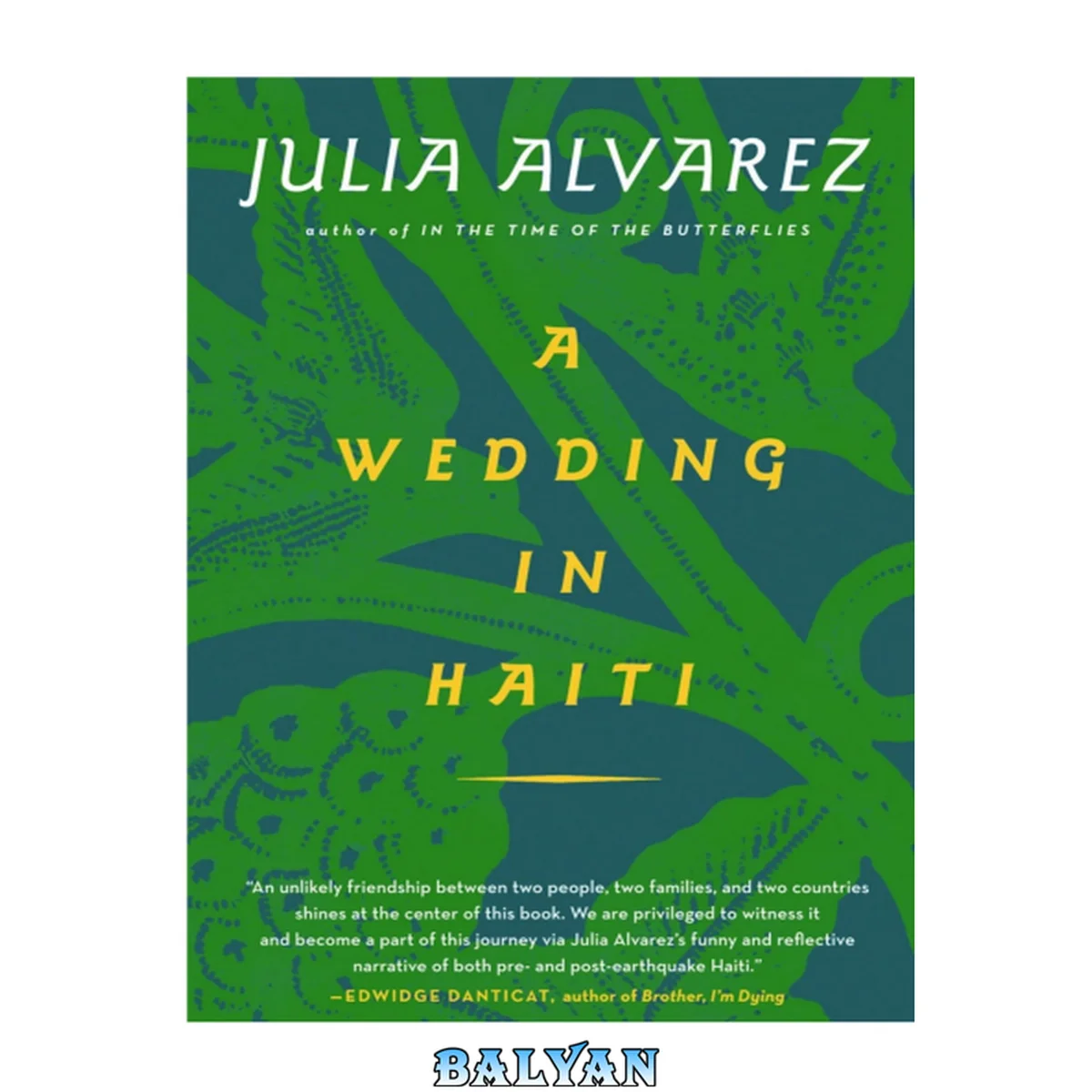
معرفی کتاب «How the Garcia Girls Lost Their Accents» نوشتهٔ Peter Bevelin و Alvarez, Julia، منتشرشده توسط نشر Algonquin Books of Chapel Hill در سال 2013. این کتاب در فرمت epub، زبان انگلیسی ارائه شده است.
it Is November 25, 1960, And Three Beautiful Sisters Have Been Found Near Their Wrecked Jeep At The Bottom Of A 150-foot Cliff On The North Coast Of The Dominican Republic. The Official State Newspaper Reports Their Deaths As Accidental. It Does Not Mention That A Fourth Sister Lives. Nor Does It Explain That The Sisters Were Among The Leading Opponents Of Gen. Rafael Leonidas Trujillo’s Dictatorship. It Doesn’t Have To. Everybody Knows Of Las Mariposas—“the Butterflies.”
in This Extraordinary Novel, The Voices Of All Four Sisters—minerva, Patria, María Teresa, And The Survivor, Dedé—speak Across The Decades To Tell Their Own Stories, From Hair Ribbons And Secret Crushes To Gunrunning And Prison Torture, And To Describe The Everyday Horrors Of Life Under Trujillo’s Rule. Through The Art And Magic Of Julia Alvarez’s Imagination, The Martyred Butterflies Live Again In This Novel Of Courage And Love, And The Human Cost Of Political Oppression.
publishers Weekly
during The Last Days Of The Trujillo Dictatorship In The Dominican Republic, Three Young Women, Members Of A Conservative, Pious Catholic Family, Who Had Become Committed To The Revolutionary Overthrow Of The Regime, Were Ambushed And Assassinated As They Drove Back From Visiting Their Jailed Husbands. Thus Martyred, The Mirabal Sisters Have Become Mythical Figures In Their Country, Where They Are Known As Las Mariposas (the Butterflies), From Their Underground Code Names. Herself A Native Of The Dominican Republic, Alvarez ( How The Garcia Girls Lost Their Accents ) Has Fictionalized Their Story In A Narrative That Starts Slowly But Builds To A Gripping Intensity. Each Of The Girls--patria, Minerva And Maria Terese (mate) Mirabal--speaks In Her Own Voice, Beginning In Their Girlhood In The 1940s; Their Surviving Sister, Dede, Frames The Narrative With Her Own Tale Of Suffering And Dedication To Their Memory. To Differentiate Their Personalities And The Ways They Came To Acquire Revolutionary Fervor, Alvarez Takes The Risk Of Describing Their Early Lives In Leisurely Detail, Somewhat Slowing The Narrative Momentum. In Particular, The Giddy, Childish Diary Entries Of Mate, The Youngest, May Seem Irritatingly Mundane At First, But In Time Mate's Heroism Becomes The Most Moving Of All, As The Sisters Endure The Arrests Of Their Husbands, Their Own Imprisonment And The Inexorable Progress Of Trujillo's Revenge. Alvarez Captures The Terrorized Atmosphere Of A Police State, In Which People Live Under The Sword Of Terrible Fear And Atrocities Cannot Be Acknowledged. As The Sisters' Energetic Fervor Turns To Anguish, Alvarez Conveys Their Courage And Their Desperation, And The Full Import Of Their Tragedy. 40,000 First Printing; $40,000 Ad/promo; Reprint Rights To Nal; 20-city Author Tour. (sept.)
Celebrating its 30th anniversary in 2024, internationally bestselling author and literary icon Julia Alvarez's In the Time of the Butterflies is'beautiful, heartbreaking and alive... a lyrical work of historical fiction based on the story of the Mirabal sisters, revolutionary heroes who had opposed and fought against Trujillo.'(Concepción de León, New York Times)Don't miss Alvarez's new novel, The Cemetery of Untold Stories, available now! It is November 25, 1960, and three beautiful sisters have been found near their wrecked Jeep at the bottom of a 150-foot cliff on the north coast of the Dominican Republic. The official state newspaper reports their deaths as accidental. It does not mention that a fourth sister lives. Nor does it explain that the sisters were among the leading opponents of Gen. Rafael Leónidas Trujillo's dictatorship. It doesn't have to. Everybody knows of Las Mariposas—the Butterflies. In this extraordinary novel, the voices of all four sisters--Minerva, Patria, María Teresa, and the survivor, Dedé--speak across the decades to tell their own stories, from secret crushes to gunrunning, and to describe the everyday horrors of life under Trujillo's rule. Through the art and magic of Julia Alvarez's imagination, the martyred Butterflies live again in this novel of courage and love, and the human costs of political oppression.'Alvarez helped blaze the trail for Latina authors to break into the literary mainstream, with novels like In the Time of the Butterflies and How the García Girls Lost Their Accents winning praise from critics and gracing best-seller lists across the Americas.'—Francisco Cantú, The New York Times Book Review'This Julia Alvarez classic is a must-read for anyone of Latinx descent.'—Popsugar.com'A gorgeous and sensitive novel... A compelling story of courage, patriotism and familial devotion.'—People'Shimmering... Valuable and necessary.'—Los Angeles Times'A magnificent treasure for all cultures and all time.” —St. Petersburg Times'Alvarez does a remarkable job illustrating the ruinous effect the 30-year dictatorship had on the Dominican Republic and the very real human cost it entailed.'—Cosmopolitan.com Librarian's Note: an alternate cover for this ISBN can be found (https://www.goodreads.com/book/show/7304461-in-the-time-of-the-butterflies) here . Set during the waning days of the Trujillo dictatorship in the Dominican Republic in 1960, this extraordinary novel tells the story the Mirabal sisters, three young wives and mothers who are assassinated after visiting their jailed husbands. From the author of How the Garcia Girls Lost Their Accents comes this tale of courage and sisterhood set in the Dominican Republic during the rise of the Trujillo dictatorship. A skillful blend of fact and fiction, In the Time of the Butterflies is inspired by the true story of the three Mirabal sisters who, in 1960, were murdered for their part in an underground plot to overthrow the government. Alvarez breathes life into these historical figures--known as "las mariposas," or "the butterflies," in the underground--as she imagines their teenage years, their gradual involvement with the revolution, and their terror as their dissentience is uncovered. Alvarez's controlled writing perfectly captures the mounting tension as "the butterflies" near their horrific end. The novel begins with the recollections of Dede, the fourth and surviving sister, who fears abandoning her routines and her husband to join the movement. Alvarez also offers the perspectives of the other sisters: brave and outspoken Minerva, the family's political ringleader; pious Patria, who forsakes her faith to join her sisters after witnessing the atrocities of the tyranny; and the baby sister, sensitive Maria Teresa, who, in a series of diaries, chronicles her allegiance to Minerva and the physical and spiritual anguish of prison life. In the Time of the Butterflies is an American Library Association Notable Book and a 1995 National Book Critics Circle Award nominee. Julia Alvarez has been called "a one-woman cultural collision" by the Los Angeles Times Book Review, and that has never been truer than in this story about three of her most personal relationships?with her parents, with her husband, and with a young Haitian boy known as Piti. A teenager when Julia and her husband, Bill, first met him in 2001, Piti crossed the border into the Dominican Republic to find work. Julia, impressed by his courage, charmed by his smile, has over the years come to think of him as a son, even promising to be at his wedding someday. When Piti calls in 2009, Julia?s promise is tested.To Alvarez, much admired for her ability to lead readers deep inside her native Dominican culture, "Haiti is like a sister I?ve never gotten to know." And so we follow her across the border into what was once the richest of all the French colonies and now teeters on the edge of the abyss?first for the celebration of a wedding and a year later to find Piti?s loved ones in the devastation of the earthquake. As in all of Alvarez?s books, a strong message is packed inside an intimate, beguiling story, this time about the nature of poverty and of wealth, of human love and of human frailty, of history and of the way we live now 25th Anniversary Edition "A magnificent treasure for all cultures and all time.” --St. Petersburg Times It is November 25, 1960, and three beautiful sisters have been found near their wrecked Jeep at the bottom of a 150-foot cliff on the north coast of the Dominican Republic. The official state newspaper reports their deaths as accidental. It does not mention that a fourth sister lives. Nor does it explain that the sisters were among the leading opponents of Gen. Rafael Leónidas Trujillo’s dictatorship. It doesn’t have to. Everybody knows of Las Mariposas--the Butterflies. In this extraordinary novel, the voices of all four sisters--Minerva, Patria, María Teresa, and the survivor, Dedé--speak across the decades to tell their own stories, from secret crushes to gunrunning, and to describe the everyday horrors of life under Trujillo’s rule. Through the art and magic of Julia Alvarez’s imagination, the martyred Butterflies live again in this novel of courage and love, and the human costs of political oppression.Julia Alvarez’s new novel, Afterlife, is available now. "It is November 25, 1960, and three beautiful sisters have been found dead near their wrecked Jeep at the bottom of a 150-foot cliff on the north coast of the Dominican Republic. The official state newspaper reports their death as accidental. It does not mention that a fourth sister lives. Nor does it explain that the sisters were among the leading opponents of Gen. Rafael Leonidas Trujillo's dictatorship. It doesn't have to. Everybody knows of Las Mariposas--the Butterflies. In this extraordinary novel, the voices of all four sisters--Minerva, Patria, María Teresa, and the survivor, Dedé--speak across the decades to tell their own stories, from hair ribbons and secret crushes to gunrunning and prison torture, and to describe the everyday horrors of life under Trujillo's rule. Through the art and magic of Julia Alvarez's imagination, the martyred Butterflies live again in this novel of courage, love, and the human cost of political oppression"--Page 4 of cover It is November 25, 1960, and three beautiful sisters have been found near their wrecked Jeep at the bottom of a 150-foot cliff on the north coast of the Dominican Republic. The official state newspaper reports their deaths as accidental. It does not mention that a fourth sister lives. Nor does it explain that the sisters were among the leading opponents of Gen. Rafael Leonidas Trujillo’s dictatorship. It doesn’t have to. Everybody knows of Las Mariposas―“The Butterflies.” In this extraordinary novel, the voices of all four sisters―Minerva, Patria, María Teresa, and the survivor, Dedé―speak across the decades to tell their own stories, from hair ribbons and secret crushes to gunrunning and prison torture, and to describe the everyday horrors of life under Trujillo’s rule. Through the art and magic of Julia Alvarez’s imagination, the martyred Butterflies live again in this novel of courage and love, and the human cost of political oppression. “[A] beguiling memoir of family and culture.”—O, The Oprah Magazine In a story that travels beyond borders and between families, acclaimed Dominican novelist and poet Julia Alvarez reflects on the joys and burdens of love—for her parents, for her husband, and for a young Haitian boy known as Piti. In this intimate true account of a promise kept, Alvarez takes us on a journey into experiences that challenge our way of thinking about history and how it can be reimagined when people from two countries—traditional enemies and strangers—become friends.Julia Alvarez's new novel, Afterlife, is available now. The life and death of three revolutionary sisters in the Dominican Republic, told by a surviving fourth. One by one the Mirabal Sisters, as they were known, join the opposition to the Trujillo dictatorship in the 1950s, suffering imprisonment and torture while their men watch powerless. They are released, then one night their jeep is ambushed. A story based on real events by the author of How the Garcia Girls Lost Their Accents. The Popular Author Talks About Three Of Her Most Personal Relationships--with Her Parents, With Her Husband, And With A Young Haitian Boy Known As Piti.