راهنمای ادراک و عمل، جلد ۱: ادراک (راهنمای ادراک و عمل)
Handbook of Perception and Action, Volume 1: Perception (HANDBOOK OF PERCEPTION AND ACTION)
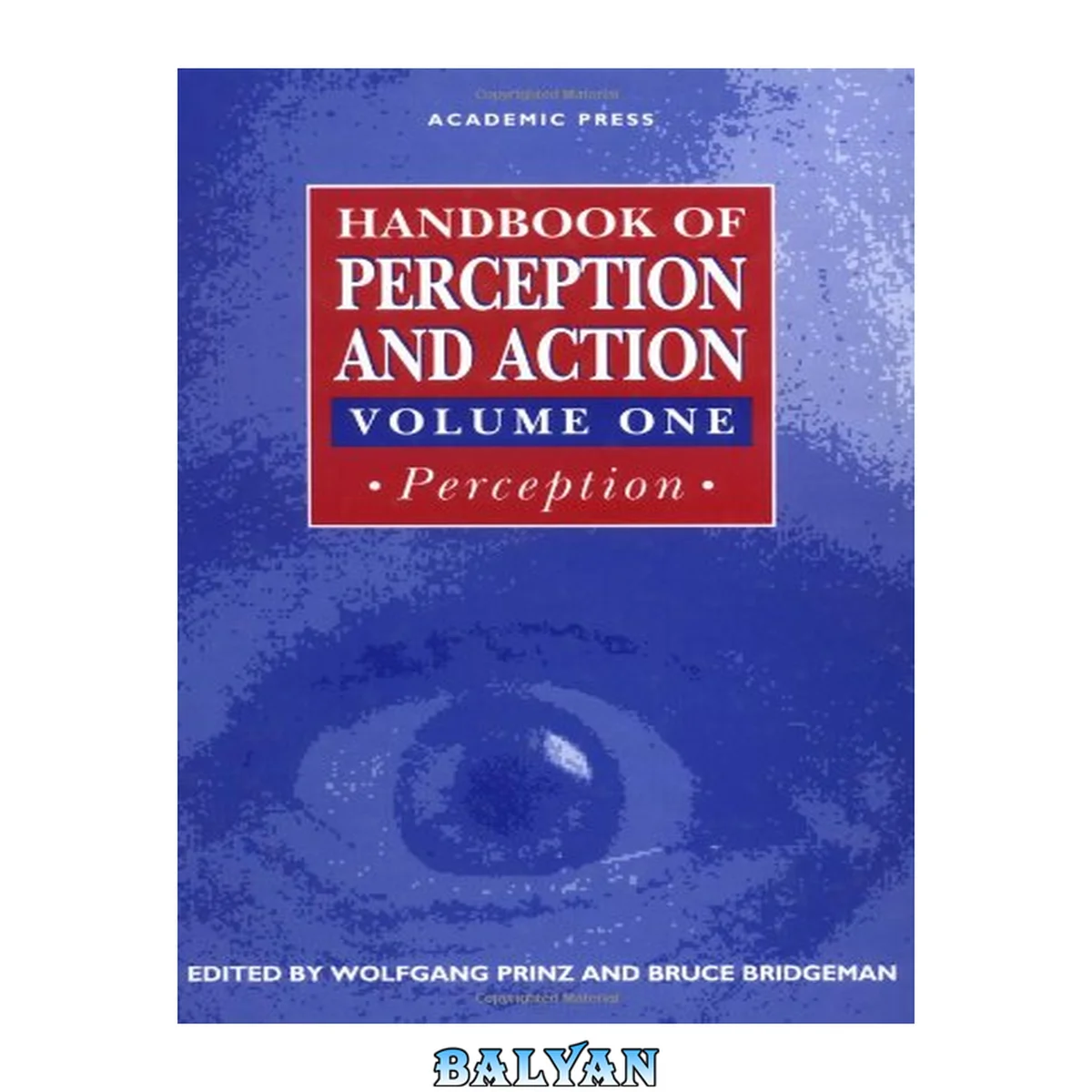
معرفی کتاب «راهنمای ادراک و عمل، جلد ۱: ادراک (راهنمای ادراک و عمل)» (با عنوان لاتین Handbook of Perception and Action, Volume 1: Perception (HANDBOOK OF PERCEPTION AND ACTION)) نوشتهٔ Wolfgang Prinz, Bruce Bridgeman, Prinz, Wolfgang، منتشرشده توسط نشر Academic Press [Imprint] در سال 1996. این کتاب در فرمت pdf، زبان انگلیسی ارائه شده است.
This volume combines the classical fields of perception research with the major theoretical attitudes of today's research, distinguishing between experience- versus performance-related approaches, transformational versus interactional approaches, and approaches that rely on the processing versus discovery of information. Perception is separated into two parts. The first part deals with basic processes and mechanisms, and discusses early vision and later, yet still basic, vision. The second covers complex achievements with accounts of perceptual constancies and the perception of patterns, objects, events, and actions. Key Features* Gives an overview of the current status of research in classical areas and of current approaches to perception* Covers research areas and theoretical approaches* Combines American and European research* Emphasizes complex achievements of perception: auditory patterns, object identification, event perception, and perception of action This volume combines the classical fields of perception research with the major theoretical attitudes of today's research, distinguishing between experience- versus performance-related approaches, transformational versus interactional approaches, and approaches that rely on the processing versus discovery of information. Perception is separated into two parts. The first part deals with basic processes and mechanisms, and discusses early vision and later, yet still basic, vision. The second covers complex achievements with accounts of perceptual constancies and the perception of patterns, objects, events, and actions.
Key Features
* Gives an overview of the current status of research in classical areas and of current approaches to perception
* Covers research areas and theoretical approaches
* Combines American and European research
* Emphasizes complex achievements of perception: auditory patterns, object identification, event perception, and perception of action Annotation This volume combines the classical fields of perception research with the major theoretical attitudes of today's research, distinguishing between experience- versus performance-related approaches, transformational versus interactional approaches, and approaches that rely on the processing versus discovery of information. Perception is separated into two parts. The first part deals with basic processes and mechanisms, and discusses early vision and later, yet still basic, vision. The second covers complex achievements with accounts of perceptual constancies and the perception of patterns, objects, events, and actions Combines the classical fields of perception research with the major theoretical attitudes of modern research, distinguishing between experience - versus performance-related approaches, transformational versus interactional approaches, and approaches that rely on the processing versus discovery of information. 'Perception is a rich, diverse and difficult field.' v. 1. Perception v. 2. Motor skills v. 3. Attention
دانلود کتاب راهنمای ادراک و عمل، جلد ۱: ادراک (راهنمای ادراک و عمل)
Key Features
* Gives an overview of the current status of research in classical areas and of current approaches to perception
* Covers research areas and theoretical approaches
* Combines American and European research
* Emphasizes complex achievements of perception: auditory patterns, object identification, event perception, and perception of action Annotation This volume combines the classical fields of perception research with the major theoretical attitudes of today's research, distinguishing between experience- versus performance-related approaches, transformational versus interactional approaches, and approaches that rely on the processing versus discovery of information. Perception is separated into two parts. The first part deals with basic processes and mechanisms, and discusses early vision and later, yet still basic, vision. The second covers complex achievements with accounts of perceptual constancies and the perception of patterns, objects, events, and actions Combines the classical fields of perception research with the major theoretical attitudes of modern research, distinguishing between experience - versus performance-related approaches, transformational versus interactional approaches, and approaches that rely on the processing versus discovery of information. 'Perception is a rich, diverse and difficult field.' v. 1. Perception v. 2. Motor skills v. 3. Attention