Handbook of Automated Reasoning, Vol. 1 (Volume 1)
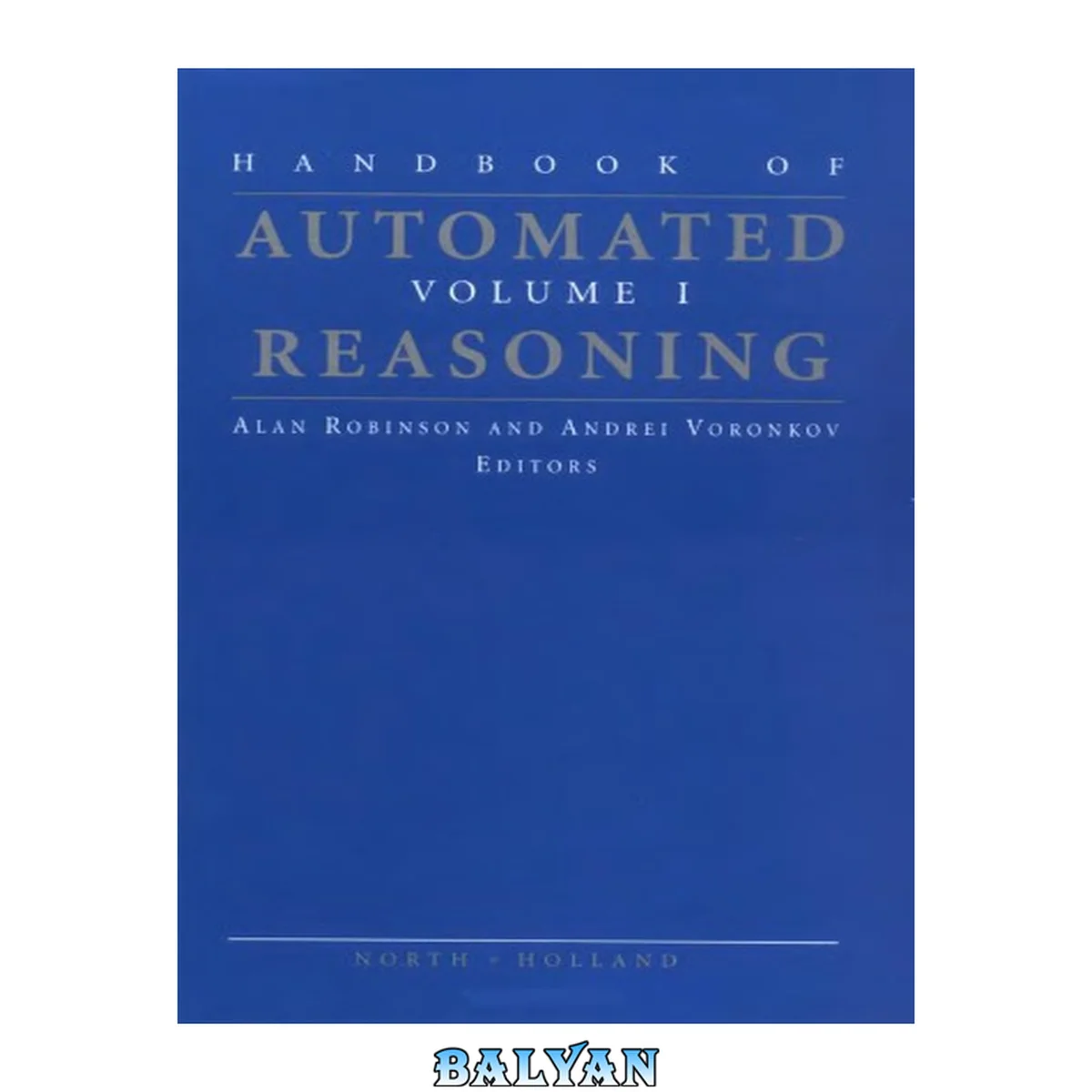
معرفی کتاب «Handbook of Automated Reasoning, Vol. 1 (Volume 1)» نوشتهٔ Willard A. Palmer، Morton Manus، Amanda Vick Lethco و Robinson A., Voronkov A. (eds.)، منتشرشده توسط نشر Amsterdam [u.a] Elsevier [u.a.] در سال 2001. این کتاب در فرمت djvu، زبان انگلیسی ارائه شده است.
automated Reasoning Has Matured Into One Of The Most Advanced Areas Of Computer Science. It Is Used In Many Areas Of The Field, Including Software And Hardware Verification, Logic And Functional Programming, Formal Methods, Knowledge Representation, Deductive Databases, And Artificial Intelligence. This Handbook Presents An Overview Of The Fundamental Ideas, Techniques, And Methods In Automated Reasoning And Its Applications. The Material Covers Both Theory And Implementation.
In Addition To Traditional Topics, The Book Covers Material That Bridges The Gap Between Automated Reasoning And Related Areas. Examples Include Model Checking,nonmonotonic Reasoning, Numerical Constraints, Description Logics, And Implementation Of Declarative Programming Languages.the Book Consists Of Eight Parts. After An Overview Of The Early History Of Automated Deduction, The Areas Covered Are Reasoning Methods In First-order Logic; Equality And Other Built-in Theories; Methods Of Automated Reasoning Using Induction; Higher-order Logic, Which Is Used In A Number Of Automatic And Interactive Proof-development Systems; Automated Reasoning In Nonclassical Logics; Decidable Classes And Model Building; And Implementation-related Questions.
Automated reasoning has matured into one of the most advanced areas of computer science. It is used in many areas of the field, including software and hardware verification, logic and functional programming, formal methods, knowledge representation, deductive databases, and artificial intelligence. This handbook presents an overview of the fundamental ideas, techniques, and methods in automated reasoning and its applications. The material covers both theory and implementation. In addition to traditional topics, the book covers material that bridges the gap between automated reasoning and related areas. Examples include model checking, nonmonotonic reasoning, numerical constraints, description logics, and implementation of declarative programming languages.The book consists of eight parts. After an overview of the early history of automated deduction, the areas covered are reasoning methods in first-order logic; equality and other built-in theories; methods of automated reasoning using induction; higher-order logic, which is used in a number of automatic and interactive proof-development systems; automated reasoning in nonclassical logics; decidable classes and model building; and implementation-related questions.
With the ready availability of serious computer power, deductive reasoning, especially as embodied in mathematics, presented an ideal target for those interested in experimenting with computer programs that purported to implement the "higher" human faculties.