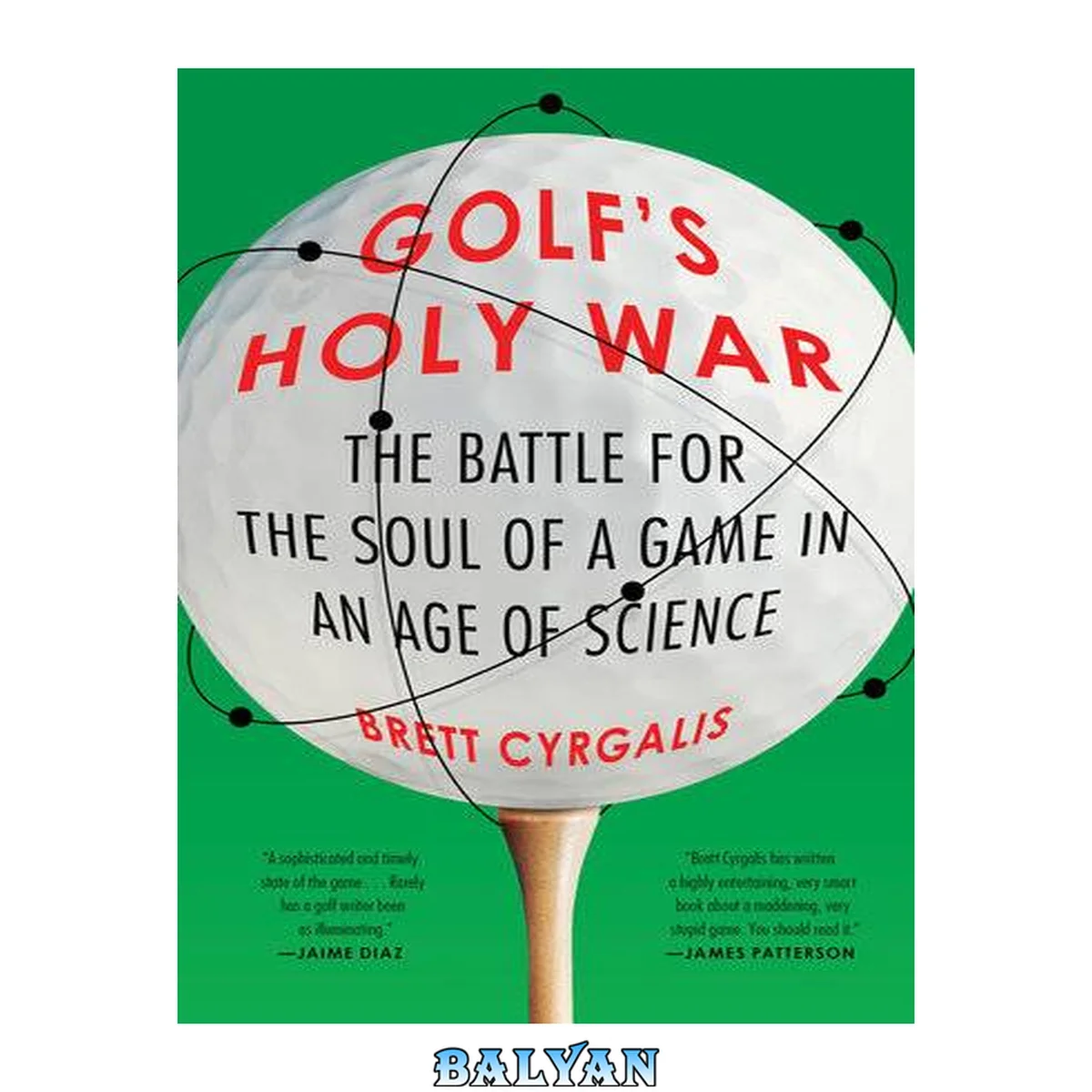
Golf's holy war : the battle for the soul of a game in an age of science
معرفی کتاب «جنگ مقدس گلف: نبرد برای روح یک بازی در عصر علم» (با عنوان لاتین Golf's holy war : the battle for the soul of a game in an age of science) نوشتهٔ Brett Cyrgalis، منتشرشده توسط نشر Avid Reader Press / Simon & Schuster در سال 2020. این کتاب در فرمت epub، زبان انگلیسی ارائه شده است.
کتاب «جنگ مقدس گلف: نبرد برای روح یک بازی در عصر علم» (Golf's Holy War: The Battle for the Soul of a Game in an Age of Science) نوشتهٔ برت سیرگالیس، روایتی جذاب و روشنگر از تقابل میان سنت و فناوری در دنیای گلف است. این کتاب که با استقبال گسترده منتقدان روبهرو شده و تحسین چهرههایی مانند جیمز پترسون را برانگیخته، نه تنها به بررسی این نبرد در زمین گلف میپردازد، بلکه آن را به استعارهای برای چالش بزرگتر انسان مدرن با پیشرفتهای علم و فناوری تبدیل میکند.
دربارهٔ کتاب «جنگ مقدس گلف: نبرد برای روح یک بازی در عصر علم»
جهان گلف امروز در یک دوراهی بزرگ قرار دارد. از یک سو، مکتب سنتی با مربیان و بازیکنانی که به «احساس»، هنرمندی و تخیل اعتقاد دارند و از سوی دیگر، نگرش مدرن و مبتنی بر داده که میخواهد این بازی را حول محور اطلاعات و آمار بازتعریف کند. سیرگالیس در این کتاب، میدان نبرد این دو نگاه متفاوت را از سطح بازیکنان آماتور آخر هفته تا حرفهایهای تور پیجیای به تصویر میکشد. نویسنده با سفری به نقاط مختلف جهان، از زمین تاریخی سنت اندروز در اسکاتلند تا اوگوستای باشکوه و از مراکز پیشرفته علم ورزش در کالیفرنیا تا کنفرانسهای تجاری در اورلاندو، چهرههای کلیدی هر دو جبهه را به خواننده معرفی میکند. او در مؤسسه Titleist Performance Institute، ورزشکارانی را با حسگرهای تمامبدن به تصویر میکشد که به دنبال نقاط ضعف بیومکانیکی خود هستند و در مقابل، مربیانی چون مایکل هبرون را روایت میکند که با پاکسازی ذهن از هرگونه اطلاعات فنی، به قدرت یادگیری شهودی و فیزیکی تکیه دارند. این کتاب با طرح این پرسش که بازگشت تماشایی تایگر وودز بدون کمک یک مربی رسمی چه معنایی دارد، خواننده را به تأمل عمیقتر در ماهیت موفقیت دعوت میکند.
دربارهٔ نویسنده
برت سیرگالیس، نویسندهٔ این کتاب، یک روزنامهنگار و نویسندهٔ ورزشی کهنهکار است که به مدت چهارده سال برای روزنامهٔ نیویورک پست به پوشش مهمترین رویدادهای ورزشی از جمله فینال جام استنلی و مسابقات آزاد گلف و تنیس پرداخته است. آثار او همچنین در نشریات معتبری مانند نیویورک تایمز و گلف دایجست به چاپ رسیده است. سیرگالیس که خود یک گلفباز ماهر است، با درکی عمیق از بازی و دسترسی به منابع معتبر، این اثر را به یکی از بحثبرانگیزترین کتابهای سالهای اخیر در دنیای گلف تبدیل کرده است.
چرا باید کتاب «جنگ مقدس گلف: نبرد برای روح یک بازی در عصر علم» را بخوانید؟
درک عمیق از یک جدال مدرن در دنیای ورزش: کتاب با زبانی شیوا و با تکیه بر نمونههای عینی، جنگی را روایت میکند که نه تنها در زمین گلف، بلکه در بسیاری از عرصههای زندگی مدرن جریان دارد: تقابل میان داده و حس، علم و هنر.
آشنایی با شخصیتهای محوری در هر دو جبهه: از مربیان سنتی و عرفانی گرفته تا دانشمندان علوم ورزشی، سیرگالیس با سفر به نقاط مختلف و مصاحبه با چهرههای کلیدی، تصویر کاملی از صفبندی این نبرد ارائه میدهد.
فراتر از یک کتاب ورزشی، روایتی از زندگی مدرن: این کتاب به زیبایی نشان میدهد که کشمکش میان سنت و فناوری، محدود به یک بازی نیست و به چالش بزرگتری درباره نحوهٔ زندگی، یادگیری و پیشرفت ما در عصر علم اشاره دارد.
نگاه بیطرفانه و جامع به هر دو دیدگاه: نویسنده بدون گرفتن جانب خاصی، به کاوش در اعماق هر دو فلسفه میپردازد و خواننده را با اطلاعات کافی برای قضاوت شخصی تنها میگذارد.
جذاب برای طیف وسیعی از مخاطبان: چه یک گلفباز حرفهای باشید و چه کسی که این بازی را تنها از دور تماشا میکند، این کتاب با داستانها و مفاهیم جهانی خود، برای هر خوانندهای جذاب و تأملبرانگیز است.
این کتاب برای چه کسانی مناسب است؟
این کتاب برای هر کسی که به گلف علاقه دارد، از یک بازیکن مبتدی تا یک حرفهای، اثری غنی و روشنگر محسوب میشود. همچنین، برای مربیان، تحلیلگران ورزشی، و هر کسی که به تأثیر فناوری بر فرهنگ و سنتهای انسانی علاقهمند است، مطالعهٔ آن بسیار سودمند خواهد بود. جیمز پترسون، نویسندهٔ پرفروش، این کتاب را «بسیار سرگرمکننده و هوشمندانه» خوانده و آن را برای هر خوانندهای توصیه کرده است.
سوالات متداول
آیا این کتاب به یک طرف یا روش خاص در گلف ترجیح میدهد؟
خیر، یکی از ویژگیهای بارز این کتاب، بیطرفی و جامعیت آن است. سیرگالیس به عنوان یک روزنامهنگار، هر دو رویکرد «مبتنی بر احساس» و «مبتنی بر داده» را با دقت و جزئیات بررسی میکند و از قضاوت یکجانبه پرهیز میکند و خواننده را به تفکر وا میدارد.
چه موضوعات خاصی در این کتاب مورد بررسی قرار گرفته است؟
کتاب به موضوعات متنوعی از جمله تقابل دو کتاب بنیادین گلف (The Golfing Machine و Golf in the Kingdom)، نقش تایگر وودز به عنوان نماد این دوگانگی، پیشرفت سیستمهای تحلیل حرکتی مانند Trackman، و حتی فلسفه و روانشناسی ورزشی از ویلیام جیمز تا بن هوگان میپردازد.
آیا این کتاب صرفاً برای طرفداران حرفهای گلف نوشته شده است؟
خیر، با وجود عمق مطالب، سیرگالیس با روایت جذاب و داستانپردازی ماهرانهاش، کتاب را برای مخاطب عام نیز قابلدسترس ساخته است. این کتاب یک «داستان دربارهٔ زندگی مدرن و شیوهٔ برخورد ما با تغییرات» است که برای هر خوانندهای جذابیت دارد.
**Just as Michael Lewis’s Moneyball captured baseball at a technological turning point, Brett Cyrgalis’s Golf’s Holy War takes us inside golf’s clash between its beloved artistic tradition and its analytic future.**The world of golf is at a crossroads. As technological innovations displace traditional philosophies, the golfing community has splintered into two deeply combative factions: the old-school teachers and players who believe in feel, artistry, and imagination, and the technical minded who want to remake the game around data. In Golf’s Holy War, Brett Cyrgalis takes readers inside the heated battle playing out from weekend hackers to PGA Tour pros.At the Titleist Performance Institute in Oceanside, California, golfers clad in full-body sensors target weaknesses in their biomechanics, while others take part in mental exercises designed to test their brain’s psychological resilience. Meanwhile, coaches like Michael Hebron purge golfers of all technical information, tapping into the power of intuitive physical learning by playing rudimentary games. From historic St. Andrews to manicured Augusta, experimental communes in California to corporatized conferences in Orlando, William James to Ben Hogan to theoretical physics, the factions of the spiritual and technical push to redefine the boundaries of the game. And yet what does it say that Tiger Woods has orchestrated one of the greatest comebacks in sports history without the aid of a formal coach?But Golf’s Holy War is more than just a book about golf—it’s a story about modern life and how we are torn between resisting and embracing the changes brought about by the advancements of science and technology. It’s also an exploration of historical legacies, the enriching bonds of education, and the many interpretations of reality. As Michael Lewis's bestseller Moneyball captured baseball at a technological turning point, this "highly entertaining, very smart book" (James Patterson) takes us inside golf's clash between its hallowed artistic tradition and its scientific future. The world of golf is at a crossroads. As technological innovations displace traditional philosophies, the golfing community has splintered into two deeply combative factions: the old-school teachers and players who believe in feel, artistry, and imagination, and the technical minded who want to remake the game around data. In Golf's Holy War , "an obvious hole-in-one for golfers and their coaches" ( Publishers Weekly , starred review), Brett Cyrgalis takes us inside the heated battle playing out from weekend hackers to PGA Tour pros. At the Titleist Performance Institute in Oceanside, California, golfers clad in full-body sensors target weaknesses in their biomechanics, while others take part in mental exercises designed to test their brain's psychological resilience. Meanwhile, coaches like Michael Hebron purge golfers of all technical information, tapping into the power of intuitive physical learning by playing rudimentary games. From historic St. Andrews to manicured Augusta, experimental communes in California to corporatized conferences in Orlando, William James to Ben Hogan to theoretical physics, the factions of the spiritual and technical push to redefine the boundaries of the game. And yet what does it say that Tiger Woods has orchestrated one of the greatest comebacks in sports history without the aid of a formal coach? But Golf's Holy War is more than just a book about golf—it's a story about modern life and how we are torn between resisting and embracing the changes brought about by the advancements of science and technology. It's also an exploration of historical legacies, the enriching bonds of education, and the many interpretations of reality. Just as Michael Lewis’s Moneyball captured baseball at a technological turning point, Brett Cyrgalis’s Golf’s Holy War takes us inside golf’s clash between its beloved artistic tradition and its analytic future. The world of golf is at a crossroads. As technological innovations displace traditional philosophies, the golfing community has splintered into two deeply combative factions: the old-school teachers and players who believe in feel, artistry, and imagination, and the technical minded who want to remake the game around data. In Golf’s Holy War, Brett Cyrgalis takes readers inside the heated battle playing out from weekend hackers to PGA Tour pros. At the Titleist Performance Institute in Oceanside, California, golfers clad in full-body sensors target weaknesses in their biomechanics, while others take part in mental exercises designed to test their brain’s psychological resilience. Meanwhile, coaches like Michael Hebron purge golfers of all technical information, tapping into the power of intuitive physical learning by playing rudimentary games. From historic St. Andrews to manicured Augusta, experimental communes in California to corporatized conferences in Orlando, William James to Ben Hogan to theoretical physics, the factions of the spiritual and technical push to redefine the boundaries of the game. And yet what does it say that Tiger Woods has orchestrated one of the greatest comebacks in sports history without the aid of a formal coach? But Golf’s Holy War is more than just a book about golf—it’s a story about modern life and how we are torn between resisting and embracing the changes brought about by the advancements of science and technology. It’s also an exploration of historical legacies, the enriching bonds of education, and the many interpretations of reality.