Georgia Democrats, the Civil Rights Movement, and the Shaping of the New South
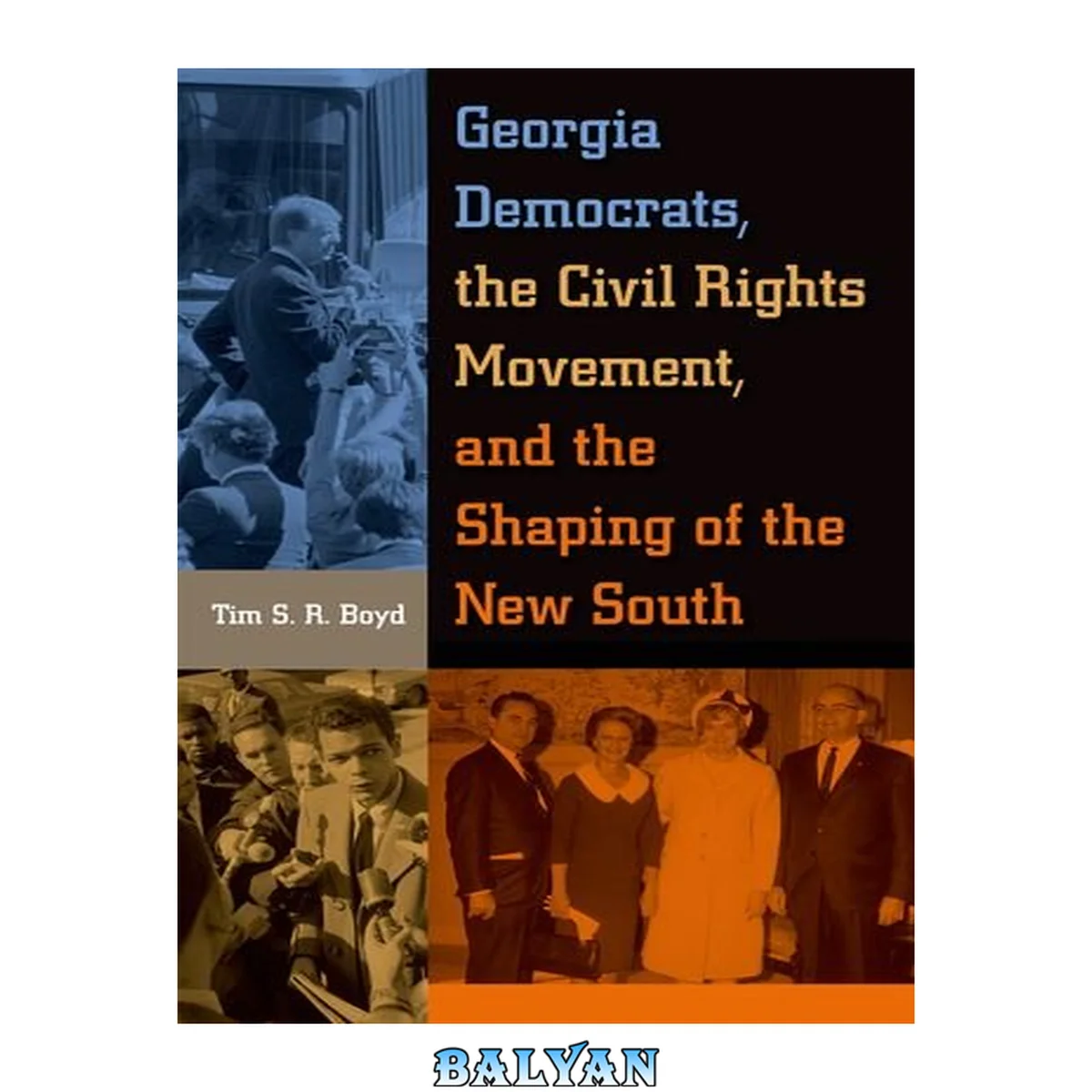
معرفی کتاب «Georgia Democrats, the Civil Rights Movement, and the Shaping of the New South» نوشتهٔ Tim S. R. Boyd، منتشرشده توسط نشر University Press of Florida در سال 2012. این کتاب در فرمت pdf، زبان انگلیسی ارائه شده است.
“Tim Boyd has significantly reassessed the nature of southern politics in post–World War II America in this magnificent work. This is a first-rate history of Georgia politics in the modern era.”—Gregory Schneider, author of __The Conservative Century__ Tim Boyd challenges one of the most prominent explanations for the precipitous fall of the Democratic Party in southern politics: the “white backlash” theory. Taking the political experience in Georgia as a case study, he compellingly argues that New South politics developed out of the factional differences within the state Democratic Party and not simply as a result of white reactions to the civil rights movement. Boyd deftly shows how Georgia Democrats forged a successful (if morally problematic) response to the civil rights movement, allowing them to remain in power until internal divisions eventually weakened the party. But he also demonstrates that they ultimately adjusted to the political challenge of the civil rights movement and helped shape post–civil rights regional and national politics for a further generation. Combining oral histories, newspaper reports, electoral returns, tape-recorded conversations, and private papers, Boyd offers a fresh interpretation of how American politics has changed since the end of the “New Deal Order.” He recognizes the myriad forces southern leaders faced as the Jim Crow South gave way to new political realities and greatly enhances our understanding of southern politics today. "Tim Boyd has significantly reassessed the nature of southern politics in post--World War II America in this magnificent work. This is a first-rate history of Georgia politics in the modern era."--Gregory Schneider, author of The Conservative Century The precipitous fall of the Democratic Party in southern politics during the latter half of the twentieth century has sparked a rich scholarly debate. Many theories have been put forward to explain the sea change that swept Democrats out of office and replaced them with a new Republican order. In this timely volume, Tim Boyd challenges one of the most prominent explanations for this shift: the "white backlash" theory. Taking the political experience in Georgia as a case study, he makes a compelling argument that New South politics formed out of the factional differences within the state Democratic Party and not simply as a result of white reactions to the civil rights movement. Boyd deftly shows how Georgia Democrats forged a successful (if morally problematic) response to the civil rights movement, allowing them to remain in power until internal divisions eventually weakened the party. The result is a study that recognizes the myriad forces southern leaders faced as the Jim Crow South gave way to new political realities and greatly enhances our understanding of southern politics today. Tim Boyd is a history teacher at Montgomery Bell Academy and author of The 1966 Election in Georgia and the Ambiguity of the White Backlash Table of Contents vii 8 Figures ix 10 Abbreviations xi 12 Acknowledgments xiii 14 Introduction 1 16 1 Competing Visions for Postwar Georgia 24 39 2 Politics in Georgia before Brown 58 73 3 Contesting Massive Resistance 88 103 4 "A Truly Democratic Party" 121 136 5 "The Damnest Mess" 156 171 6 The Loyalist Backlash 181 196 7 The New South in State and Nation 209 224 Conclusion 245 260 Notes 261 276 Bibliography 289 304 Index 297 312 Competing Visions For Postwar Georgia: 1946 -- Politics In Georgia Before Brown: 1946-1954 -- Contesting Massive Resistance: 1954-1962 -- A Truly Democratic Party: 1962-1966 -- The Damndest Mess: 1966 -- The Loyalist Backlash: 1966-1971 -- The New South In State And Nation: 1971-1976. Tim S. R. Boyd. Includes Bibliographical References And Index.
دانلود کتاب Georgia Democrats, the Civil Rights Movement, and the Shaping of the New South