Geographies of Cubanidad: Place, Race, and Musical Performance in Contemporary Cuba (Caribbean Studies Series)
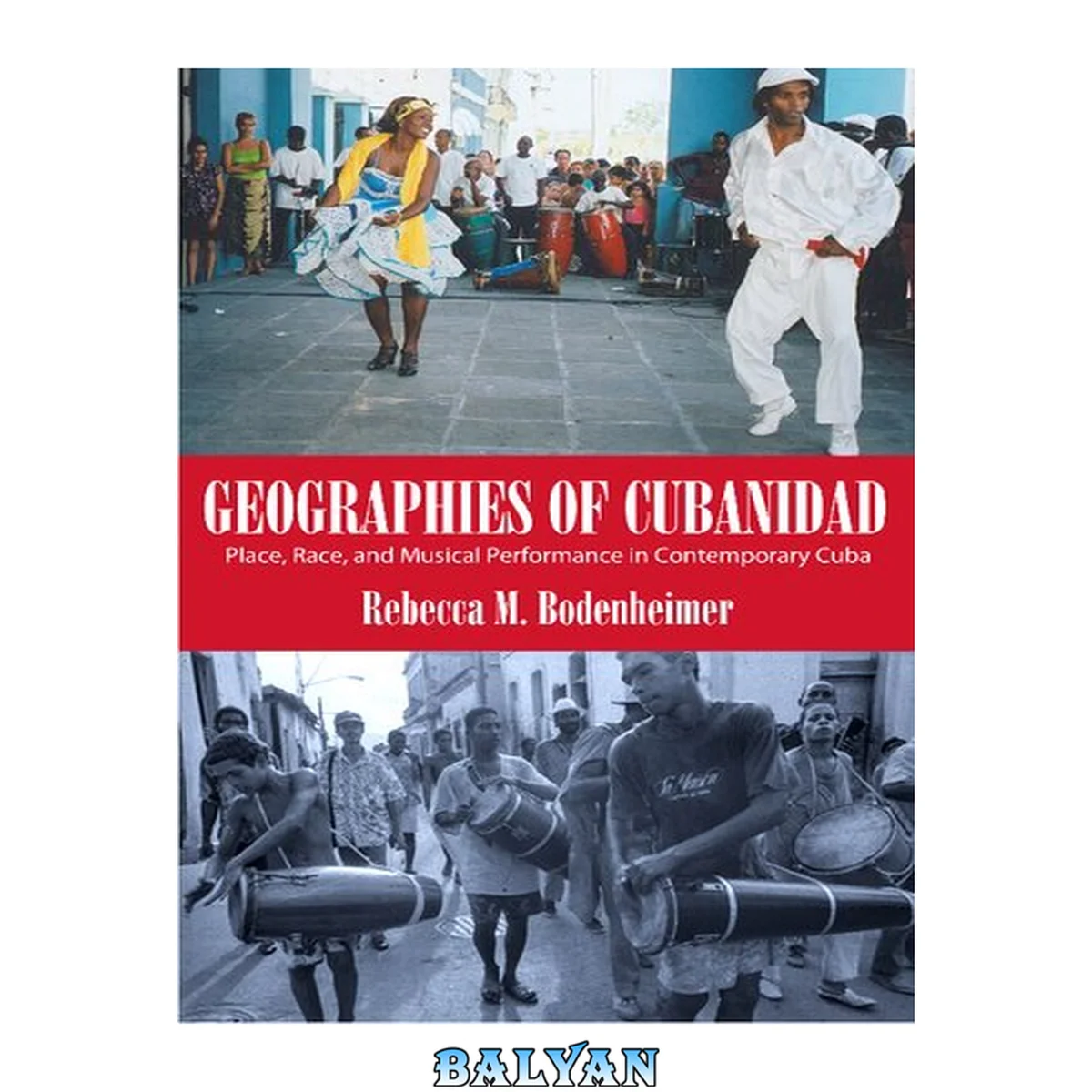
معرفی کتاب «Geographies of Cubanidad: Place, Race, and Musical Performance in Contemporary Cuba (Caribbean Studies Series)» نوشتهٔ Rebecca M. Bodenheimer، منتشرشده توسط نشر University Press of Mississippi در سال 2015. این کتاب در فرمت pdf، زبان انگلیسی ارائه شده است.
Derived from the nationalist writings of José Martí, the concept of Cubanidad (Cubanness) has always imagined a unified hybrid nation where racial difference is nonexistent and nationality trumps all other axes identities. Scholars have critiqued this celebration of racial mixture, highlighting a gap between the claim of racial harmony and the realities of inequality faced by Afro-Cubans since independence in 1898. In this book, Rebecca M. Bodenheimer argues that it is not only the recognition of racial difference that threatens to divide the nation, but that popular regional sentiment further contests the hegemonic national discourse. Given that the music is a prominent symbol of Cubanidad , musical practices play an important role in constructing regional, local, and national identities. This book suggests that regional identity exerts a significant influence on the aesthetic choices made by Cuban musicians. Through the examination of several genres, Bodenheimer explores the various ways that race and place are entangled in contemporary Cuban music. She argues that racialized notions which circulate about different cities affect both the formation of local identity and musical performance. Thus, the musical practices discussed in the book—including rumba, timba, eastern Cuban folklore, and son—are examples of the intersections between regional identity formation, racialized notions of place, and music-making. Derived From The Nationalist Writings Of Jos Mart , The Concept Of Cubanidad (cubanness) Has Always Imagined A Unified Hybrid Nation Where Racial Difference Is Nonexistent And Nationality Trumps All Other Axes Identities. Scholars Have Critiqued This Celebration Of Racial Mixture, Highlighting A Gap Between The Claim Of Racial Harmony And The Realities Of Inequality Faced By Afro-cubans Since Independence In 1898. In This Book, Rebecca M. Bodenheimer Argues That It Is Not Only The Recognition Of Racial Difference That Threatens To Divide The Nation, But That Popular Regional Sentiment Further Contests The Hegemonic National Discourse. Given That The Music Is A Prominent Symbol Ofcubanidad, Musical Practices Play An Important Role In Constructing Regional, Local, And National Identities.this Book Suggests That Regional Identity Exerts A Significant Influence On The Aesthetic Choices Made By Cuban Musicians. Through The Examination Of Several Genres, Bodenheimer Explores The Various Ways That Race And Place Are Entangled In Contemporary Cuban Music. She Argues That Racialized Notions Which Circulate About Different Cities Affect Both The Formation Of Local Identity And Musical Performance. Thus, The Musical Practices Discussed In The Book--including Rumba, Timba, Eastern Cuban Folklore, And Son--are Examples Of The Intersections Between Regional Identity Formation, Racialized Notions Of Place, And Music-making. Regionalism And The Intersections Of Race And Place In Cuba -- La Habana No Aguanta Más : Regionalism In The Lyrics Of Cuban Popular Music -- Conciencia De Caribeñidad : Regionalism, Folklore Oriental, And Santiago's Caribbean Connection -- Racialized Discourses Of Place And Rethinking The Cradle Of Afro-cuban Culture -- Localizing Hybridity -- The Politics Of Place And National Traditions : Race, Regionalism, And The Relationship Between Rumba And Son. Rebecca M. Bodenheimer. Includes Bibliographical References And Index. "Derived from the nationalist writings of José Martí, the concept of Cubanidad (Cubanness) has always imagined a unified hybrid nation where racial difference is nonexistent and nationality trumps all other axes identities. Scholars have critiqued this celebration of racial mixture, highlighting a gap between the claim of racial harmony and the realities of inequality faced by Afro-Cubans since independence in 1898. In this book, Rebecca M. Bodenheimer argues that it is not only the recognition of racial difference that threatens to divide the nation, but that popular regional sentiment further contests the hegemonic national discourse. Given that the music is a prominent symbol of Cubanidad, musical practices play an important role in constructing regional, local, and national identities. This book suggests that regional identity exerts a significant influence on the aesthetic choices made by Cuban musicians. Through the examination of several genres, Bodenheimer explores the various ways that race and place are entangled in contemporary Cuban music. She argues that racialized notions which circulate about different cities affect both the formation of local identity and musical performance. Thus, the musical practices discussed in the book-including rumba, timba, eastern Cuban folklore, and son-are examples of the intersections between regional identity formation, racialized notions of place, and music-making."--Résumé du site web de l'éditeur "Derived from the nationalist writings of Jos Mart, the concept of Cubanidad (Cubanness) has always imagined a unified hybrid nation where racial difference is nonexistent and nationality trumps all other axes identities. Scholars have critiqued this celebration of racial mixture, highlighting a gap between the claim of racial harmony and the realities of inequality faced by Afro-Cubans since independence in 1898. In this book, Rebecca M. Bodenheimer argues that it is not only the recognition of racial difference that threatens to divide the nation, but that popular regional sentiment further contests the hegemonic national discourse. Given that the music is a prominent symbol ofCubanidad, musical practices play an important role in constructing regional, local, and national identities. This book suggests that regional identity exerts a significant influence on the aesthetic choices made by Cuban musicians. Through the examination of several genres, Bodenheimer explores the various ways that race and place are entangled in contemporary Cuban music. She argues that racialized notions which circulate about different cities affect both the formation of local identity and musical performance. Thus, the musical practices discussed in the book--including rumba, timba, eastern Cuban folklore, and son--are examples of the intersections between regional identity formation, racialized notions of place, and music-making."--Amazon.com The concept of Cubanidad has always imagined a unified hybrid nation where racial difference is nonexistent and nationality trumps all other identities. However, scholars have highlighted the gap between the claim of racial harmony and the realities of inequality. In this work, Rebecca M. Bodenheimer argues that it is not only the recognition of racial difference that threatens to divide the nation, but that popular regional sentiment further contests the hegemonic national discourse
دانلود کتاب Geographies of Cubanidad: Place, Race, and Musical Performance in Contemporary Cuba (Caribbean Studies Series)