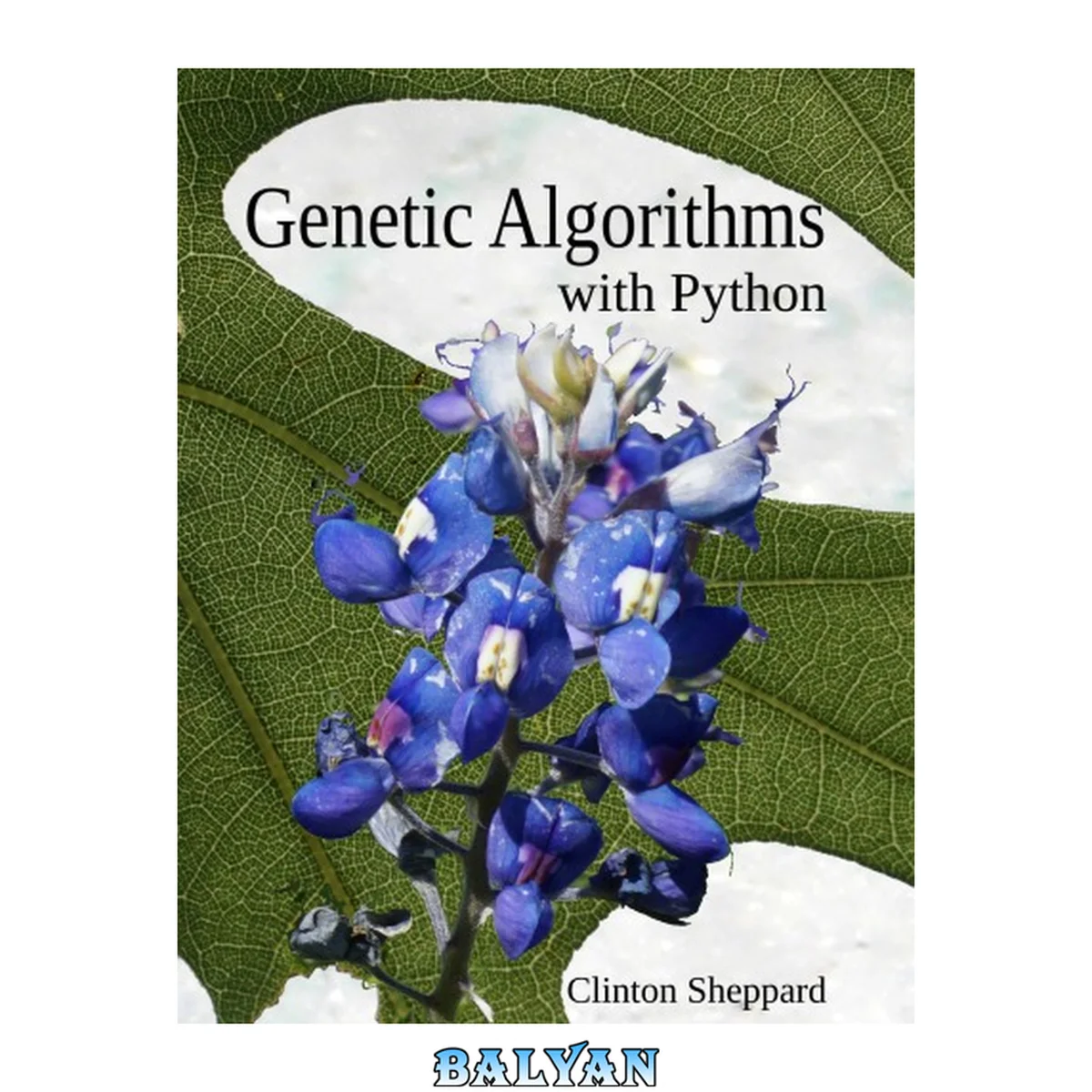
معرفی کتاب «Genetic Algorithms with Python» نوشتهٔ Kenneth A Adams، American Bar Association. Section of Business Law و Clinton Sheppard، منتشرشده توسط نشر 2016 در سال 2016. این کتاب در فرمت pdf، زبان انگلیسی ارائه شده است.
«الگوریتمهای ژنتیک با پایتون» (Genetic Algorithms with Python) نوشتهٔ کلینتون شپارد، یک راهنمای عملی و پروژهمحور برای ورود به دنیای یادگیری ماشین با استفاده از الگوریتمهای تکاملی است. این کتاب با رویکردی گامبهگام، از مفاهیم پایه تا برنامهنویسی ژنتیک پیشرفته را پوشش میدهد و به شما امکان میدهد تا مسائل پیچیدهای با میلیاردها جواب ممکن را حل کنید. اگر به دنبال منبعی هستید که با مثالهای ملموس و کدنویسی عملی، شما را بهکارگیری الگوریتمهای ژنتیک در پروژههای واقعی مجهز کند، این کتاب انتخابی ایدهآل خواهد بود.
دربارهٔ کتاب «الگوریتمهای ژنتیک با پایتون» –
الگوریتمهای ژنتیک، یکی از ابزارهای قدرتمند در حوزهٔ یادگیری ماشین هستند که از فرآیند انتخاب طبیعی برای یافتن راهحلهای بهینه در میان انبوهی از احتمالات استفاده میکنند. کتاب «الگوریتمهای ژنتیک با پایتون» نوشتهٔ کلینتون شپارد، رویکردی کاملاً عملی و مبتنی بر پروژه برای آموزش این مفاهیم دارد. هر فصل از کتاب با یک مسئلهٔ مشخص آغاز میشود و از خواننده دعوت میکند تا پیش از مطالعهٔ راهحل ارائهشده، خود به پیادهسازی آن بپردازد. این روش تعاملی، درک عمیقی از نحوهٔ کارکرد موتور الگوریتم ژنتیک و تنظیم پارامترهای آن ایجاد میکند. موضوعات کتاب از مثال کلاسیک «سلام دنیا!» و مسائل سادهتری مانند یافتن یک رشته یا مرتبسازی اعداد شروع شده و تا مباحث پیشرفتهتری همچون بهینهسازی یک الگوریتم ژنتیک با الگوریتمی دیگر، استفاده از روشهای ممتیک، تپهنوردی، بازپخت شبیهسازیشده و در نهایت برنامهنویسی نمادین ژنتیک پیش میرود. انتخاب زبان پایتون برای این کتاب به دلیل سادگی و خوانایی بالای آن است؛ بهگونهای که برنامهنویسان با تجربه در زبانهای دیگر نیز بهراحتی میتوانند کدها را دنبال کرده و حتی آنها را به زبان دلخواه خود ترجمه کنند. رویکرد کتاب بر «یادگیری حین انجام» استوار است و با ارائهٔ مثالهای جذابی همچون حل معمای هشت وزیر، رنگآمیزی نقشه، مسئلهٔ کولهپشتی و تولید جدول سودوکو، مفاهیم کلیدی را بهخوبی به خواننده منتقل میکند.
دربارهٔ نویسنده
کلینتون شپارد، نویسندهٔ کتاب، یک برنامهنویس چندزبانه (polyglot programmer) با بیش از پانزده سال سابقهٔ حرفهای در حوزهٔ برنامهنویسی است. او موتور حلکنندهٔ مسائل الگوریتم ژنتیک را به عنوان پروژهای آشناتر برای یادگیری زبانهای برنامهنویسی جدید انتخاب کرده است. انگیزهٔ او از این کار، کاوش در مسائل چالشبرانگیز و دیدن بازیهای سادهای مانند تیک-تاک-تو از منظری نوین بوده است.
چرا باید «الگوریتمهای ژنتیک با پایتون» را بخوانید؟
آموزش عملی و پروژهمحور: برخلاف کتابهای صرفاً نظری، این کتاب با ارائهٔ بیش از هجده پروژهٔ گامبهگام، شما را از یک برنامهنویس مبتدی به کسی تبدیل میکند که میتواند الگوریتمهای ژنتیک را برای مسائل دنیای واقعی پیادهسازی کند.
یادگیری مفاهیم پیشرفته بهمرور: مفاهیم کلیدی و تکنیکهای تکمیلی مانند انتخاب تابع برازندگی، جهش، ترکیب، و روشهای بهینهسازی دقیقاً در زمان نیاز و در دل پروژهها معرفی میشوند.
مناسب برای برنامهنویسان با هر زبان دیگری: با وجود اینکه زبان اصلی کتاب پایتون است، کدها بهگونهای نوشته شدهاند که برای برنامهنویسانی که با زبانهای دیگر آشنایی دارند، قابلدرک و حتی قابلترجمه باشد.
دسترسی به کدهای منبع کامل: تمام کدهای موجود در کتاب تحت مجوز Apache، نسخهٔ.0، در مخزن گیتهاب در دسترس است که امکان اجرا و آزمایش آنها را برای خواننده فراهم میکند.
آمادهسازی برای حل مسائل تخصصی: با کار بر روی طیف وسیعی از مسائل کلاسیک و پیشرفته، دانش و مهارت لازم برای بهکارگیری الگوریتمهای ژنتیک در حوزهٔ تخصصی خود را کسب خواهید کرد.
این کتاب برای چه کسانی مناسب است؟
این کتاب برای برنامهنویسانی با سطح متوسط که به دنبال درک عملی از الگوریتمهای ژنتیک و کاربردهای آن در یادگیری ماشین هستند، منبعی ایدهآل است. اگر با مبانی زبان پایتون آشنا هستید و میخواهید مهارتهای خود را به حوزهٔ حل مسائل بهینهسازی و هوش مصنوعی بسط دهید، این کتاب نقطهٔ شروع خوبی برای شما خواهد بود. همچنین، کسانی که به دنبال رویکردی سریع و بدون درگیری با پیچیدگیهای ریاضی صرف هستند، از ساختار پروژهمحور و صریح این کتاب سود خواهند برد. البته توجه داشته باشید که این کتاب برای افرادی که به تازگی برنامهنویسی را آغاز کردهاند، ممکن است چالشبرانگیز باشد و بهتر است ابتدا با مبانی پایتون آشنا شوند.
سوالات متداول
آیا برای استفاده از این کتاب نیاز به دانش قبلی در مورد الگوریتمهای ژنتیک دارم؟
خیر، این کتاب بهعنوان یک منبع مقدماتی و عملی طراحی شده است و فرض را بر این میگذارد که خواننده هیچ دانش قبلی در مورد الگوریتمهای ژنتیک ندارد. مفاهیم پایه بهطور کامل در خلال پروژههای ابتدایی توضیح داده میشوند.
آیا باید حتماً از زبان پایتون استفاده کنم یا میتوانم کدها را به زبان دیگری ببرم؟
کتاب برای آموزش از پایتون استفاده کرده است، اما تلاش شده تا وابستگی کدها به ویژگیهای خاص این زبان به حداقل برسد. بهطوری که اگر با زبان برنامهنویسی دیگری آشنا هستید، بهراحتی میتوانید منطق الگوریتمها را فهمیده و آنها را به زبان مورد نظر خود ترجمه کنید.
فصلهای پایانی کتاب به چه موضوعاتی میپردازند؟
فصلهای پیشرفتهتر کتاب به مباحثی مانند برنامهنویسی نمادین ژنتیک، تولید مدارهای منطقی، یافتن عبارتهای باقاعده (Regular Expressions) و حتی ایجاد قوانینی برای بازی تیک-تاک-تو اختصاص یافتهاند که نشاندهندهٔ قدرت و انعطافپذیری بالای این روش است.
With A Manual of Style for Contract Drafting , Kenneth A. Adams has created a uniquely in-depth survey of the building blocks of contract language. First published in 2004, it offers those who draft, review, negotiate, or interpret contracts an alternative to the dysfunction of traditional contract language and the inertia and flawed conventional wisdom that perpetuate it. This manual has become a vital resource throughout the legal profession, in the United States and internationally. This is the fourth edition of A Manual of Style for Contract Drafting . It contains almost one hundred pages of new materials addressing many topics, making it even more authoritative and essential. This manual’s focus remains how to express contract terms in prose that is free of the archaisms, redundancies, ambiguities, and other problems that afflict traditional contract language. With exceptional analysis and an unmatched level of practical detail, Mr. Adams highlights common sources of confusion and recommends clearer and more concise alternatives. This manual is organized to facilitate easy reference, and it illustrates its analysis with numerous examples. Consult it to save time in drafting and negotiation and to reduce the risk of dispute. Mr. Adams is a consultant, writer, and speaker on contract drafting. Through his company, Adams Contracts Consulting LLC, Mr. Adams helps companies improve their contracts and their contract process. He gives “Drafting Clearer Contracts” seminars internationally, for the public and for companies, law firms, and government agencies. He also acts as an expert in contract disputes. He has taught contract drafting as a member of the adjunct faculty at law schools in the United States. For Mr. Adams’s blog and information on his seminars and his writing, go to (http://www.adamsdrafting.com) adamsdrafting.com . For information on his consulting, go to (http://www.adamscontracts.com) adamscontracts.com . He can be reached at (mailto:kadams@adamsdrafting.com) kadams@adamsdrafting.com . With A Manual of Style for Contract Drafting, Kenneth A. Adams has created a uniquely in-depth survey of the building blocks of contract language. First published in 2004, it offers those who draft, review, negotiate, or interpret contracts an alternative to the dysfunction of traditional contract language and the inertia and flawed conventional wisdom that perpetuate it. This manual has become a vital resource throughout the legal profession, in the United States and internationally. This is the fourth edition of A Manual of Style for Contract Drafting. It contains almost one hundred pages of new materials addressing many topics, making it even more authoritative and essential. This manual’s focus remains how to express contract terms in prose that is free of the archaisms, redundancies, ambiguities, and other problems that afflict traditional contract language. With exceptional analysis and an unmatched level of practical detail, Mr. Adams highlights common sources of confusion and recommends clearer and more concise alternatives. This manual is organized to facilitate easy reference, and it illustrates its analysis with numerous examples. Consult it to save time in drafting and negotiation and to reduce the risk of dispute. Mr. Adams is a consultant, writer, and speaker on contract drafting. Through his company, Adams Contracts Consulting LLC, Mr. Adams helps companies improve their contracts and their contract process. He gives “Drafting Clearer Contracts” seminars internationally, for the public and for companies, law firms, and government agencies. He also acts as an expert in contract disputes. He has taught contract drafting as a member of the adjunct faculty at law schools in the United States. For Mr. Adams’s blog and information on his seminars and his writing, go to [adamsdrafting.com](http://www.adamsdrafting.com). For information on his consulting, go to [adamscontracts.com](http://www.adamscontracts.com). He can be reached at [kadams@adamsdrafting.com](mailto:kadams@adamsdrafting.com). This Manual’s Focus Remains How To Express Contract Terms In Prose That Is Free Of The Archaisms, Redundancies, Ambiguities, And Other Problems That Afflict Traditional Contract Language. [the Author] Highlights Common Sources Of Confusion And Recommends Clearer And More Concise Alternatives. This Manual Is Organized To Facilitate...reference, And It Illustrates Its Analysis With Numerous Examples.-- The Characteristics Of Optimal Contract Language -- The Front Of The Contract -- Categories Of Contract Language -- Layout -- The Back Of The Contract -- Defined Terms -- Sources Of Uncertain Meaning In Contract Language -- Reasonable Efforts And Its Variants -- Material And Material Adverse Change -- References To Time -- Ambiguity Of The Part Versus The Whole -- Syntactic Ambiguity -- Selected Usages -- Numbers And Formulas -- Internal Rules Of Interpretation -- Typography -- Drafting As Writing -- Amendments -- Letter Agreements. Kenneth A. Adams. Includes Bibliographical References (page 515) And Index.