From Here to There : The Art and Science of Finding and Losing Our Way
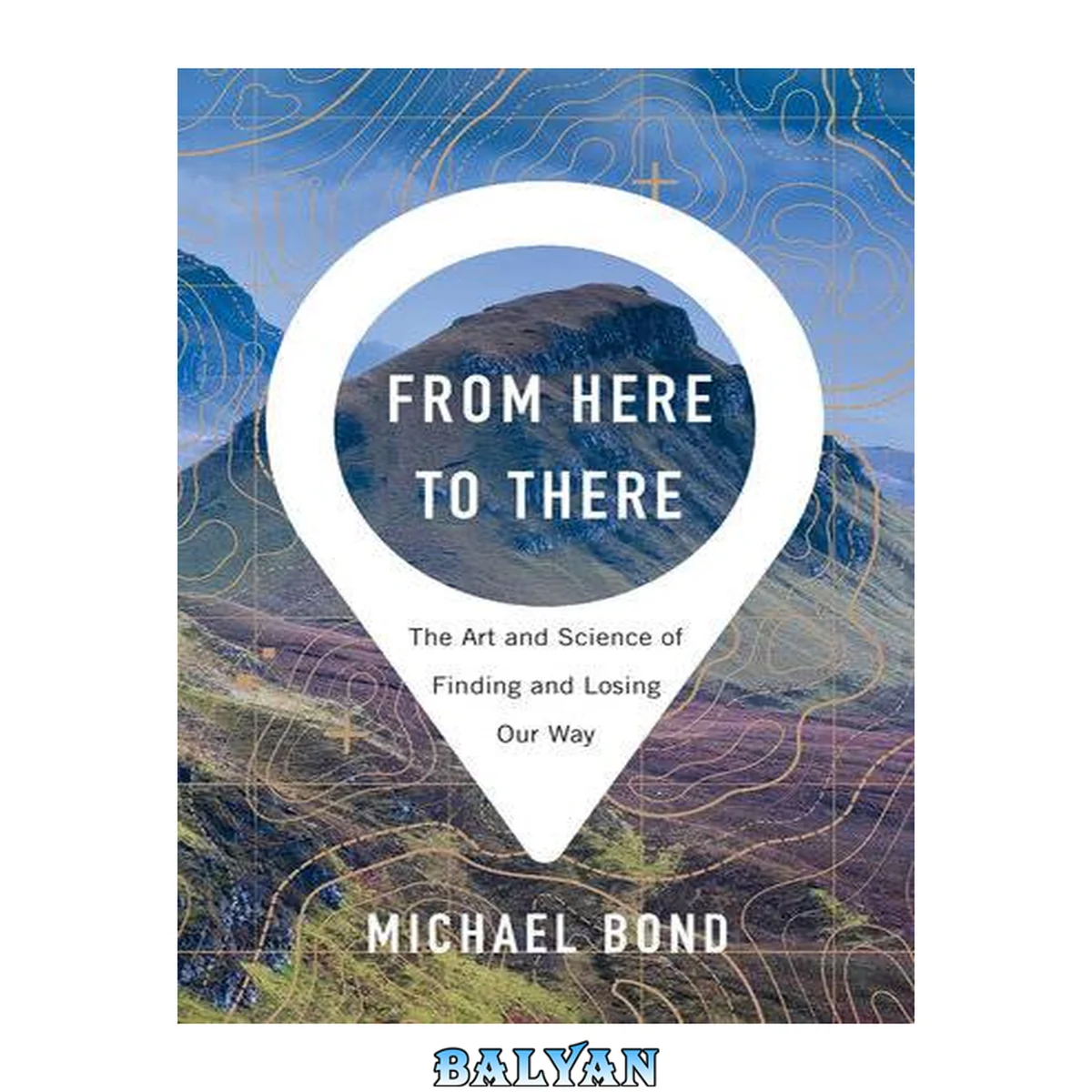
معرفی کتاب «From Here to There : The Art and Science of Finding and Losing Our Way» نوشتهٔ Stephen Welch و Michael Bond, Michael Shaw Bond، منتشرشده توسط نشر Belknap Press: An Imprint of Harvard University Press در سال 2020. این کتاب در فرمت epub، زبان انگلیسی ارائه شده است.
A wise and insightful exploration of human navigation, what it means to be lost, and how we find our way. How is it that we can walk unfamiliar streets while maintaining a sense of direction? Come up with shortcuts on the fly, in places we've never traveled? The answer is the complex mental map in our brains. This feature of our cognition is easily taken for granted, but it's also critical to our species' evolutionary success. In From Here to There , Michael Bond tells stories of the lost and found--Polynesian sailors, orienteering champions, early aviators--and surveys the science of human navigation. Navigation skills are deeply embedded in our biology. The ability to find our way over large distances in prehistoric times gave Homo sapiens an advantage, allowing us to explore the farthest regions of the planet. Wayfinding also shaped vital cognitive functions outside the realm of navigation, including abstract thinking, imagination, and memory. Bond brings a reporter's curiosity and nose for narrative to the latest research from psychologists, neuroscientists, animal behaviorists, and anthropologists. He also turns to the people who design and expertly maneuver the world we navigate: search-and-rescue volunteers, cartographers, ordnance mappers, urban planners, and more. The result is a global expedition that furthers our understanding of human orienting in the natural and built environments. A beguiling mix of storytelling and science, From Here to There covers the full spectrum of human navigation and spatial understanding. In an age of GPS and Google Maps, Bond urges us to exercise our evolved navigation skills and reap the surprising cognitive rewards. A Wired Most Fascinating Book of the Year "An important book that reminds us that navigation remains one of our most underappreciated arts." —Tristan Gooley, author of The Lost Art of Reading Nature's Signs "If you want to understand what rats can teach us about better-planned cities, why walking into a different room can help you find your car keys, or how your brain's grid, border, and speed cells combine to give us a sense of direction, this book has all the answers." — The Scotsman How is it that some of us can walk unfamiliar streets without losing our way, while the rest of us struggle even with a GPS? Navigating in uncharted territory is a remarkable feat if you stop to think about it. In this beguiling mix of science and storytelling, Michael Bond explores how we do it: how our brains make the "cognitive maps" that keep us orientated and how that anchors our sense of wellbeing. Children are instinctive explorers, developing a spatial understanding as they roam. And yet today few of us make use of the wayfinding skills that we inherited from our nomadic ancestors. Bond tells stories of the lost and found—sailors, orienteering champions, early aviators—and explores why being lost can be such a devastating experience. He considers how our understanding of the world around us affects our psychology and helps us see how our reliance on technology may be changing who we are. "Bond concludes that, by setting aside our GPS devices, by redesigning parts of our cities and play areas, and sometimes just by letting ourselves get lost, we can indeed revivify our ability to find our way, to the benefit of our inner world no less than the outer one." — Science "A thoughtful argument about how our ability to find our way is integral to our nature." — Sunday Times A wise and insightful exploration of human navigation, what it means to be lost, and how we find our way. How is it that we can walk unfamiliar streets while maintaining a sense of direction? Come up with shortcuts on the fly, in places we've never traveled? The answer is the complex mental map in our brains. This feature of our cognition is easily taken for granted, but it's also critical to our species' evolutionary success. In From Here to There Michael Bond tells stories of the lost and found#8212;Polynesian sailors, orienteering champions, early aviators#8212;and surveys the science of human navigation. Navigation skills are deeply embedded in our biology. The ability to find our way over large distances in prehistoric times gave Homo sapiens an advantage, allowing us to explore the farthest regions of the planet. Wayfinding also shaped vital cognitive functions outside the realm of navigation, including abstract thinking, imagination, and memory. Bond brings a reporter's curiosity and nose for narrative to the latest research from psychologists, neuroscientists, animal behaviorists, and anthropologists. He also turns to the people who design and expertly maneuver the world we navigate: search-and-rescue volunteers, cartographers, ordnance mappers, urban planners, and more. The result is a global expedition that furthers our understanding of human orienting in the natural and built environments. A beguiling mix of storytelling and science, From Here to There covers the full spectrum of human navigation and spatial understanding. In an age of GPS and Google Maps, Bond urges us to exercise our evolved navigation skills and reap the surprising cognitive rewards "How is it that we can walk unfamiliar streets while maintaining a sense of direction? Come up with shortcuts on the fly, in places we've never traveled? The answer is the complex mental map in our brains. This feature of our cognition is easily taken for granted, but it's also critical to our species's evolutionary success. In From Here to There Michael Bond tells stories of the lost and found-Polynesian sailors, orienteering champions, early aviators-and surveys the science of human navigation. Navigation skills are deeply embedded in our biology. The ability to find our way over large distances in prehistoric times gave Homo sapiens an advantage, allowing us to explore the farthest regions of the planet. Wayfinding also shaped vital cognitive functions outside the realm of navigation, including abstract thinking, imagination, and memory. Bond brings a reporter's curiosity and nose for narrative to the latest research from psychologists, neuroscientists, animal behaviorists, and anthropologists. He also turns to the people who design and expertly maneuver the world we navigate: search-and-rescue volunteers, cartographers, ordnance mappers, urban planners, and more. The result is a global expedition that furthers our understanding of human orienting in the natural and built environments"-- Provided by publisher Navigation skills are easy to take for granted, but the ability to find our way is a key to humanity’s evolutionary success. Sharing illustrative stories of the lost and found, Michael Bond explores the science of our mental maps and their vital relationship with imagination, memory, abstract thinking, and other cognitive functions.
دانلود کتاب From Here to There : The Art and Science of Finding and Losing Our Way