Film form : essays in film theory
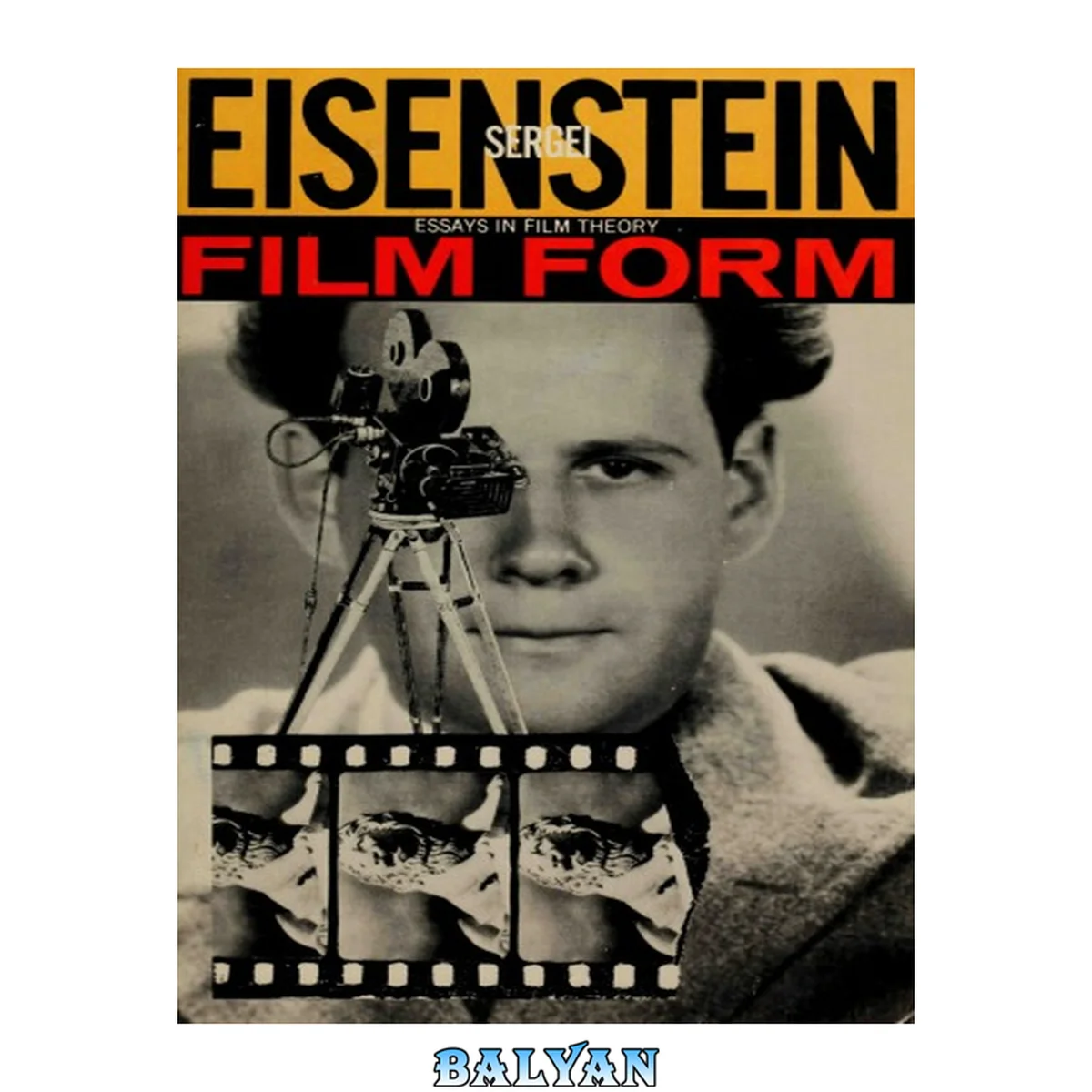
معرفی کتاب «Film form : essays in film theory» نوشتهٔ Sergei Eisenstein، edited و translated by Jay Leyda، منتشرشده توسط نشر A Harvest Book در سال 1977. این کتاب در 297 صفحه، فرمت pdf، زبان انگلیسی ارائه شده است.
Probably the Bible of Film theory, this book, along with its counterpart Film Sense written by the same author, holds the key position in the rhetoric of film theory. Introduction vii THROUGH THEATER TO CINEMA 3 THE UNEXPECTED 1 8 THE CINEMATOGRAPHIC PRINCIPLE AND THE IDEOGRAM 2 8 A DIALECTIC APPROACH TO FILM FORM 45 THE FILMIC FOURTH DIMENSION 64 METHODS OF MONTAGE 72 A COURSE IN TREATMENT 84 FILM LANGUAGE 10 8 FILM FORM: NE"\V PROBLEMS I 22 THE STRUcrURE OF THE FILM 150 ACHIEVEMENT 179 DICKENS, GRIFFITH, AND THE FILM TODAY 195 Appendix A. A Statement on the Sound-Film by Eisenstein, Pudovkin, and Alexandrov 257 Appendix B. Notes from a Director's Laboratory 261 Notes on Texts and Translation 266 Sources 26 8 Index 273 From Sergei Eisenstein, a legendary pioneer in filmmaking and director of Battleship Potemkin, Film Form collects twelve essays written between 1928 and 1945 that demonstrate key points in the development of his film theory and in particular his analysis of the sound-film medium. "By turns savagely polemical and whimsically humorous...Eisenstein's last book, like all his writings, is on fire with imagination...Jay Leyda, well-known authority on Eisenstein's work, has done an excellently thorough job of editing and translating." Saturday Review
دانلود کتاب Film form : essays in film theory
Twelve essays written between 1928 and 1945 that demonstrate key points in the development of Eisenstein’s film theory and in particular his analysis of the sound-film medium. Edited, translated, and with an Introduction by Jay Leyda; Index; photographs and diagrams.
Twelve essays that demonstrate key points in the development of Eisenstein's film theory.
Director and filmmaker of Silent Movies who later worked in America, Sergei Eisenstein discusses the idea of montage in Russian Film and its compositional differences with films of D. W. Griffith Twelve essays by one of the most influential contributors to modern film theory and practice deal with central aspects of his film aesthetics and of his analysis of the sound-film medium IT IS interesting to retrace the different paths of today's cinema workers to their creative beginnings, which together compose the multi-colored background of the Soviet cinema.