Fernando Alonso : The Father of Cuban Ballet
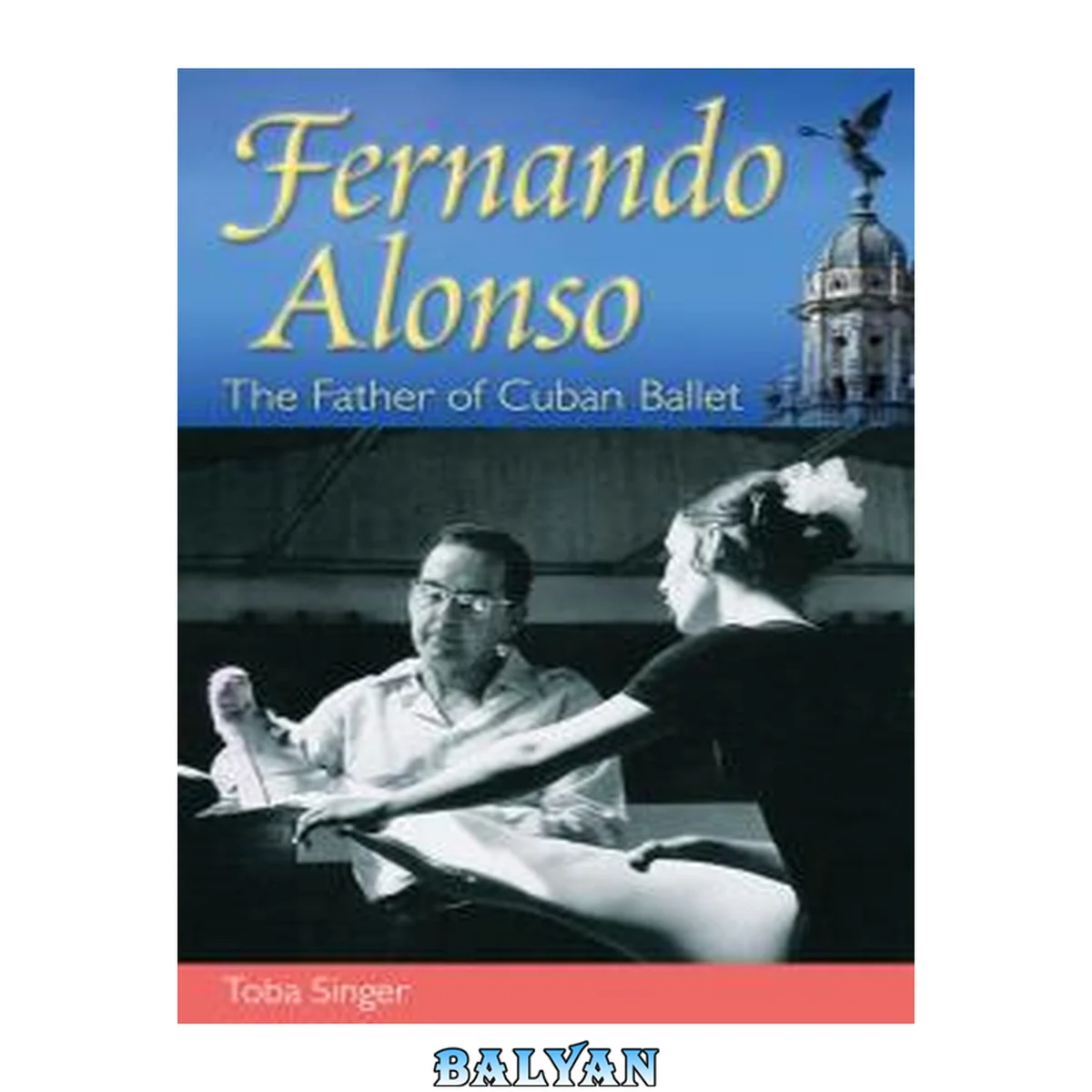
معرفی کتاب «Fernando Alonso : The Father of Cuban Ballet» نوشتهٔ Toba Singer، منتشرشده توسط نشر University Press of Florida در سال 2013. این کتاب در فرمت pdf، زبان انگلیسی ارائه شده است.
“A riveting look into the life and times of a great dance artist. From a small island shrouded in mystery, Fernando Alonso changed the face of ballet for the world. Bravo! A standing ovation for a great read about a fantastic life.”—Ben Vereen, Tony Award winner
“One of the most fascinating books I have ever read. Cuba is a mystery to so many of us, and this book gives an insight into the making of a great ballet style and company. A must-read for dancers, students, and balletomanes.”—David Howard, Broadway Dance Center
“A long-overdue book about one of the most influential figures in the making of the Cuban ballet miracle.”—Lynn Garafola, author of Legacies of Twentieth-Century Dance
“A greatly informative—and unusually structured—account of one of ballet’s most influential and impressive teachers from the past hundred years. The English-speaking dance world has lost track of him owing to Two Cold Wars-that between the United States and Cuba and that between Alonso and his former wife and inspiration, Alicia. The interviews Singer conducts here unflinchingly take stock of both.”—Mindy Aloff, author of Dance Anecdotes
“An illuminating biography of one of the most important pedagogues in twentieth-century ballet. Fernando Alonso not only codified the formidable Cuban ballet technique, but he trained many of the extraordinary Cuban dancers who grace the international stage today.”—Suki John, Texas Christian University
“Alonso’s philosophies are gems for ballet dancers.”—Miko Fogarty, Gold Medalist, World Ballet Competition, and star of the award-winning film, First Position
Part I: Antes (before) 1. Always ask why 2. Pro-arte musical, Yavorsky, and New York 3. Alicia, Fernando, and Laura: giant steps across a changing landscape 4. Musicals, Mordkin, Balanchine, and the birth of ballet theatre 5. Repertoire, camaraderie, and an étoile 6. Challenges and pilgrimages 7. Autumn in New York, and a dawning in Havana 8. Ballet Theatre, a university of dance, and more . . . 9. Ballet Alicia Alonso 10. El maestro de maestros, the father of Cuban ballet 11. Crafting a curriculum, sculpting a style 12. Legends and lessons: Laura and Loipa 13. A revolutionary proposal 14. Batista's blackmail bid 15. The Soviet Union invites the Alonsos Part II: Despuis (after) 16. Cuban revolution triumphs and invests in ballet! 17. Constructing ballet schools, extending the revolution 18. International recognition abroad, at home, on film, and in print 19. Camagüey: the center of gravity shifts 20. Reverence Part III: Recuerdos (recollections) Introduction Aurora Bosch Carlos Acosta Azari Plisetsky Ramona de Sáa Lázaro Carreño and Yoel Carreño Tania Vergara Menia Martínez René de Cárdenas John White Lorena Feijóo and Lupe Calzadilla Jorge Esquivel Lorena Feijóo and Nelson Madrigal Donald Saddler Grettel Morejón. "Widely known for his visionary role as a principal founder and mentor of the Cuba National Ballet, Fernando Alonso has lived a life as far-reaching and dynamic as it is daringly political. It was Alonso's passionate advocacy for ballet that won the support of Cuba's revolutionary government, changing ballet from an exclusive preserve of the aristocracy to an art accessible to ordinary Cubans... [This] quest to spotlight his seminal role in the development of the modern ballet canon yields key material: pre-blockade tapes from Lincoln Center, Spanish-language sources from the Museum of Dance in Havana, and interviews with the ballet master himself alongside those of a broad range of friends, relatives, and collaborators from throughout his long career." -- Book jacket Written records of Alonso's work are scarce, yet the author's quest to spotlight his seminal role in the development of the modern ballet canon yields key material: pre-blockade tapes from Lincoln Center, Spanish-language sources from the Museum of Dance in Havana, and interviews with the ballet master himself alongside a broad range of friends, relatives, and collaborators from throughout his long career, including his ex-wife, Alicia, a famous ballerina in her own right