Feeding The City: From Street Market To Liberal Reform In Salvador, Brazil, 1780-1860 (joe R. And Teresa Lozano Long Series In Latin American And Latino Art And Culture)
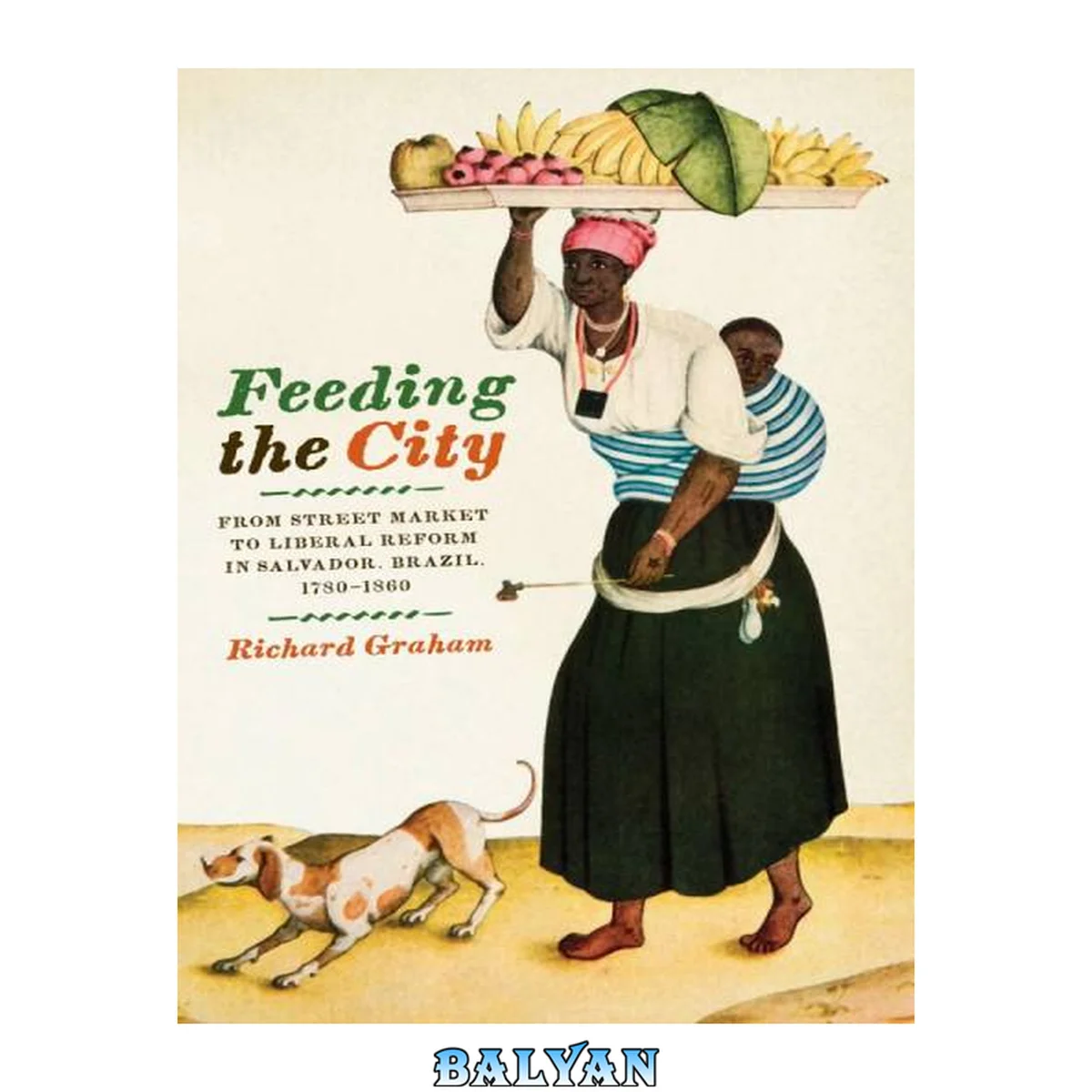
معرفی کتاب «Feeding The City: From Street Market To Liberal Reform In Salvador, Brazil, 1780-1860 (joe R. And Teresa Lozano Long Series In Latin American And Latino Art And Culture)» نوشتهٔ Richard Graham; ProQuest (Firm)، منتشرشده توسط نشر University of Texas Press در سال 2010. این کتاب در فرمت pdf، زبان انگلیسی ارائه شده است.
Winner, Bolton-Johnson Prize, Conference on Latin American History, 2011 Murdo J. McLeod Book Prize, 2011 On the eastern coast of Brazil, facing westward across a wide magnificent bay, lies Salvador, a major city in the Americas at the end of the eighteenth century. Those who distributed and sold food, from the poorest street vendors to the most prosperous traders—black and white, male and female, slave and free, Brazilian, Portuguese, and African—were connected in tangled ways to each other and to practically everyone else in the city, and are the subjects of this book. Food traders formed the city's most dynamic social component during the late eighteenth and early nineteenth centuries, constantly negotiating their social place. The boatmen who brought food to the city from across the bay decisively influenced the outcome of the war for Brazilian independence from Portugal by supplying the insurgents and not the colonial army. Richard Graham here shows for the first time that, far from being a city sharply and principally divided into two groups—the rich and powerful or the hapless poor or enslaved—Salvador had a population that included a great many who lived in between and moved up and down. The day-to-day behavior of those engaged in food marketing leads to questions about the government's role in regulating the economy and thus to notions of justice and equity, questions that directly affected both food traders and the wider consuming public. Their voices significantly shaped the debate still going on between those who support economic liberalization and those who resist it. On the eastern coast of Brazil, facing westward across a wide magnificent bay, lies Salvador, a major city in the Americas at the end of the eighteenth century. Those who distributed and sold food, from the poorest street vendors to the most prosperous traders--black and white, male and female, slave and free, Brazilian, Portuguese, and African--were connected in tangled ways to each other and to practically everyone else in the city, and are the subjects of this book. Food traders formed the city's most dynamic social component during the late eighteenth and early nineteenth centuries, constantly negotiating their social place. The boatmen who brought food to the city from across the bay decisively influenced the outcome of the war for Brazilian independence from Portugal by supplying the insurgents and not the colonial army. Richard Graham here shows for the first time that, far from being a city sharply and principally divided into two groups--the rich and powerful or the hapless poor or enslaved--Salvador had a population that included a great many who lived in between and moved up and down.
The day-to-day behavior of those engaged in food marketing leads to questions about the government's role in regulating the economy and thus to notions of justice and equity, questions that directly affected both food traders and the wider consuming public. Their voices significantly shaped the debate still going on between those who support economic liberalization and those who resist it.
Annotation On the eastern coast of Brazil, facing westward across a wide magnificent bay, lies Salvador, a major city in the Americas at the end of the eighteenth century. Those who distributed and sold food, from the poorest street vendors to the most prosperous traders--black and white, male and female, slave and free, Brazilian, Portuguese, and African--were connected in tangled ways to each other and to practically everyone else in the city, and are the subjects of this book. Food traders formed the city's most dynamic social component during the late eighteenth and early nineteenth centuries, constantly negotiating their social place. The boatmen who brought food to the city from across the bay decisively influenced the outcome of the war for Brazilian independence from Portugal by supplying the insurgents and not the colonial army. Richard Graham here shows for the first time that, far from being a city sharply and principally divided into two groups--the rich and powerful or the hapless poor or enslaved--Salvador had a population that included a great many who lived in between and moved up and down.The day-to-day behavior of those engaged in food marketing leads to questions about the government's role in regulating the economy and thus to notions of justice and equity, questions that directly affected both food traders and the wider consuming public. Their voices significantly shaped the debate still going on between those who support economic liberalization and those who resist it The city on a bay From streets and doorways Connections "People of the sea" The grains market The cattle and meat trade Contention "The true enemy is hunger" : the siege of Salvador A tremor in the social order Meat, manioc, and Adam Smith "The people do not live by theories". This social and cultural history of the provisioning of Salvador, Brazil, as it moved from colony to independent city encompasses a whole society by looking at a broadly defined occupation--the food trade--and showing the connections between and among social categories.
دانلود کتاب Feeding The City: From Street Market To Liberal Reform In Salvador, Brazil, 1780-1860 (joe R. And Teresa Lozano Long Series In Latin American And Latino Art And Culture)
The day-to-day behavior of those engaged in food marketing leads to questions about the government's role in regulating the economy and thus to notions of justice and equity, questions that directly affected both food traders and the wider consuming public. Their voices significantly shaped the debate still going on between those who support economic liberalization and those who resist it.
Annotation On the eastern coast of Brazil, facing westward across a wide magnificent bay, lies Salvador, a major city in the Americas at the end of the eighteenth century. Those who distributed and sold food, from the poorest street vendors to the most prosperous traders--black and white, male and female, slave and free, Brazilian, Portuguese, and African--were connected in tangled ways to each other and to practically everyone else in the city, and are the subjects of this book. Food traders formed the city's most dynamic social component during the late eighteenth and early nineteenth centuries, constantly negotiating their social place. The boatmen who brought food to the city from across the bay decisively influenced the outcome of the war for Brazilian independence from Portugal by supplying the insurgents and not the colonial army. Richard Graham here shows for the first time that, far from being a city sharply and principally divided into two groups--the rich and powerful or the hapless poor or enslaved--Salvador had a population that included a great many who lived in between and moved up and down.The day-to-day behavior of those engaged in food marketing leads to questions about the government's role in regulating the economy and thus to notions of justice and equity, questions that directly affected both food traders and the wider consuming public. Their voices significantly shaped the debate still going on between those who support economic liberalization and those who resist it The city on a bay From streets and doorways Connections "People of the sea" The grains market The cattle and meat trade Contention "The true enemy is hunger" : the siege of Salvador A tremor in the social order Meat, manioc, and Adam Smith "The people do not live by theories". This social and cultural history of the provisioning of Salvador, Brazil, as it moved from colony to independent city encompasses a whole society by looking at a broadly defined occupation--the food trade--and showing the connections between and among social categories.