کاوش در زندگی کولیها: قدرت، تبادل و وابستگی در یک روستای ترانسیلوانی
Exploring Gypsiness : Power, Exchange and Interdependence in a Transylvanian Village
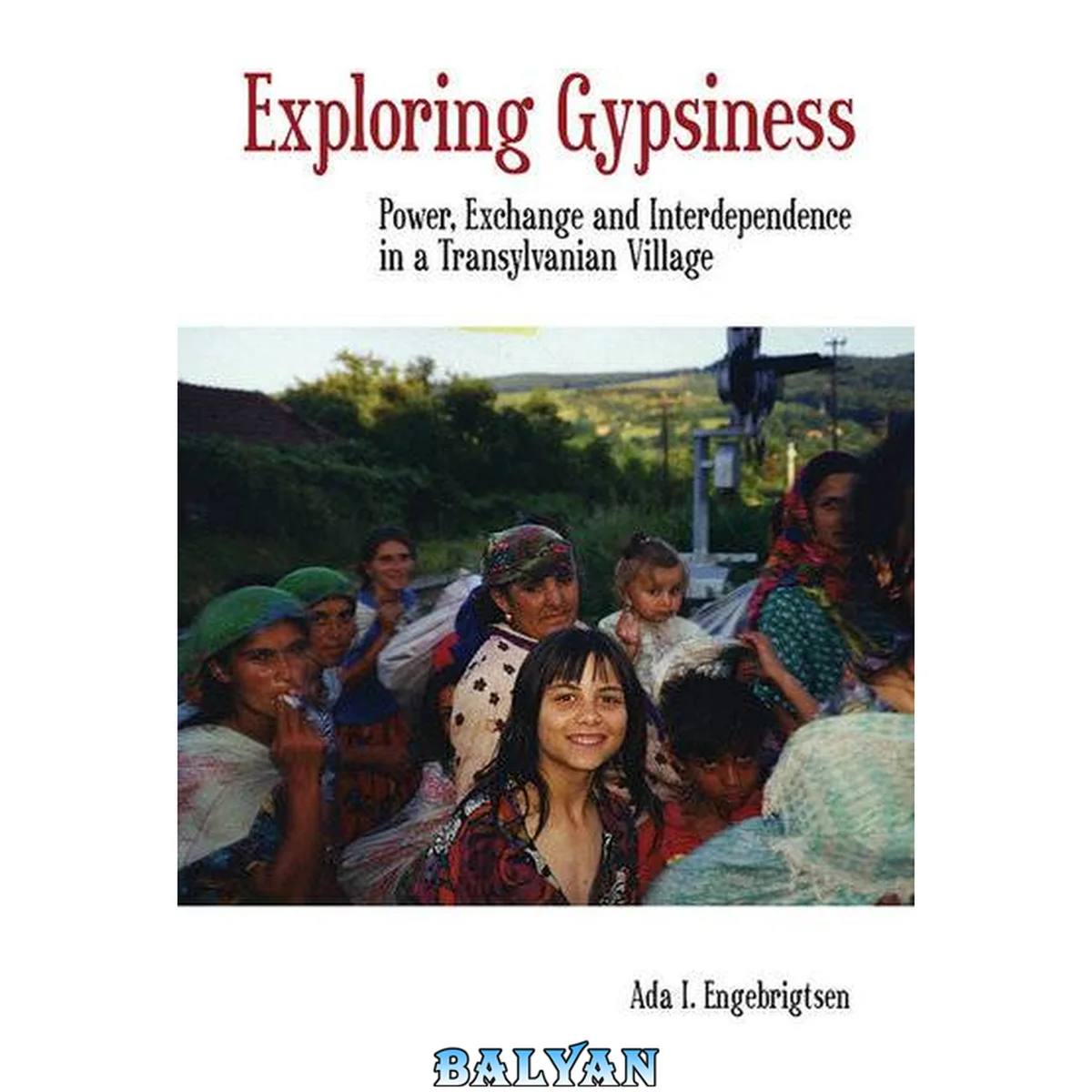
معرفی کتاب «کاوش در زندگی کولیها: قدرت، تبادل و وابستگی در یک روستای ترانسیلوانی» (با عنوان لاتین Exploring Gypsiness : Power, Exchange and Interdependence in a Transylvanian Village) نوشتهٔ Ada I. Engebrigtsen، منتشرشده توسط نشر Berghahn Books در سال 2007. این کتاب در فرمت epub، زبان انگلیسی ارائه شده است.
Romania has a larger Gypsy population than most other countries but little is known about the relationship between this group and the non-Gypsy Romanians around them. This book focuses on a group of Rom Gypsies living in a village in Transylvania and explores their social life and cosmology. Because Rom Gypsies are dependent on and define themselves in relation to the surrounding non-Gypsy populations, it is important to understand their day-to-day interactions with these neighbors, primarily peasants to whom they relate through extended barter. The author comes to the conclusion that, although economically and politically marginal, Rom Gypsies are central to Romanian collective identity in that they offer desirable and repulsive counter images, incorporating the uncivilized, immoral and destructive "other". This interdependence creates tensions but it also allows for some degree of cultural and political autonomy for the Roma within Romanian society. "Romania has a larger Gypsy population than most other countries but little is known about the relationship between this group and the non-Gypsy Romanians around them. This book focuses on a group of Roma (Rom Gypsies) living in a village in Transylvania and explores their social life and cosmology. As the Roma depend on, and define themselves in relation to, the surrounding non-Gypsy populations, understanding their day-to-day interactions with these neighbours, primarily peasants to whom they relate through extended barter, is essential. The author concludes that, although economically and politically marginal, the Roma are central to Romanian collective identity because they offer both desirable and repulsive counter-images, incorporating the uncivilized, immoral and attractive 'other'. While creating tensions, this interdependence also allows for some degree of cultural and political autonomy for the Roma within Romanian society."--Jacket
دانلود کتاب کاوش در زندگی کولیها: قدرت، تبادل و وابستگی در یک روستای ترانسیلوانی