Europe : The Struggle for Supremacy, From 1453 to the Present
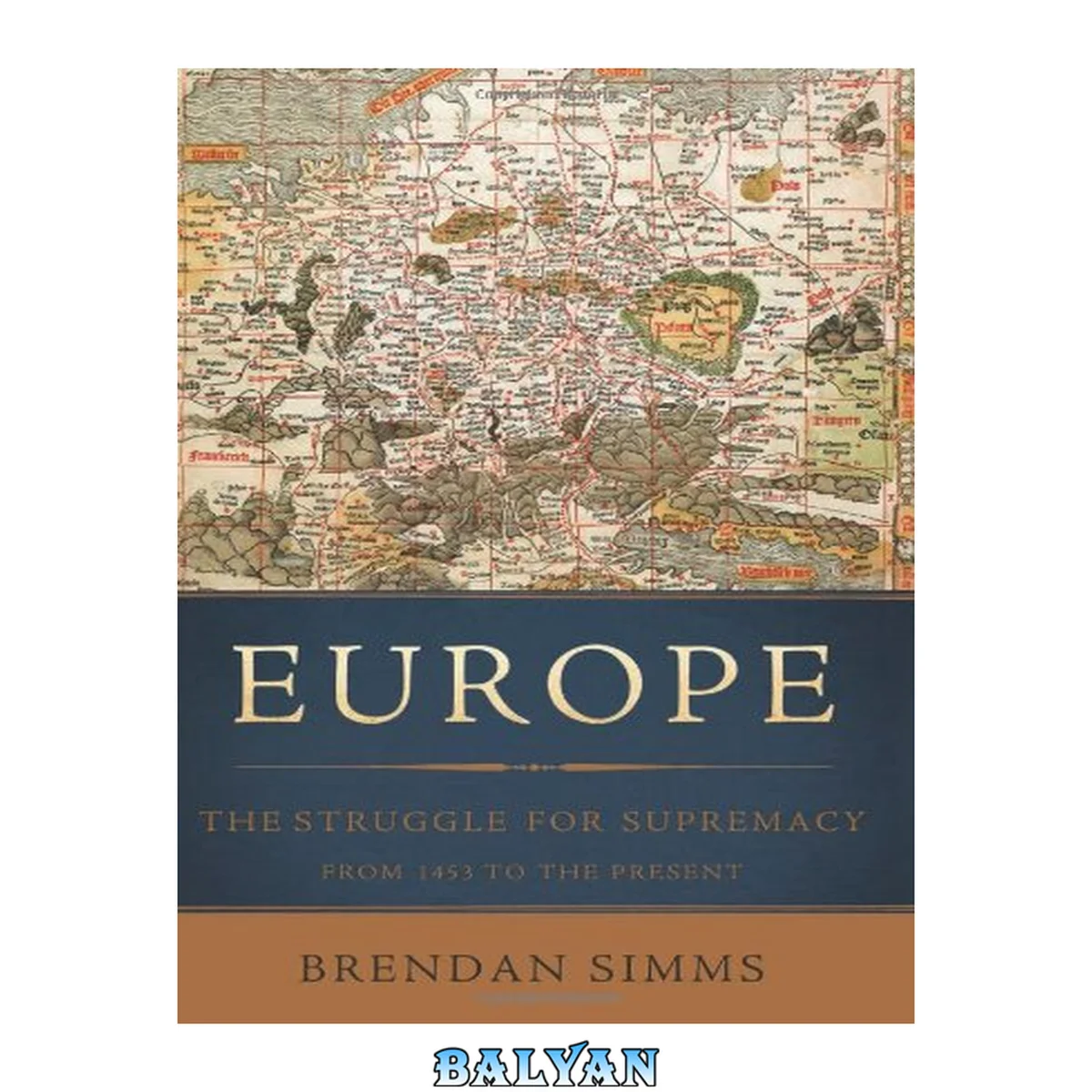
معرفی کتاب «Europe : The Struggle for Supremacy, From 1453 to the Present» نوشتهٔ R، 费方域، 朱保华等译، 瓦里安، 朱保华 و Simms, Brendan، منتشرشده توسط نشر Basic Books; Basic Books در سال 2013. این کتاب در فرمت epub، زبان انگلیسی ارائه شده است.
If there is a fundamental truth of geopolitics, it is this: whoever controls the core of Europe controls the entire continent, and whoever controls all of Europe can dominate the world. Over the past five centuries, a rotating cast of kings and conquerors, presidents and dictators have set their sights on the European heartland, desperate to seize this pivotal area or at least prevent it from falling into the wrong hands. From Charles V and Napoleon to Bismarck and Cromwell, from Hitler and Stalin to Roosevelt and Gorbachev, nearly all the key power players of modern history have staked their titanic visions on this vital swath of land. In __Europe__, prizewinning historian Brendan Simms presents an authoritative account of the past half-millennium of European history, demonstrating how the battle for mastery there has shaped the modern world. Beginning in 1453, when the collapse of the Byzantine Empire laid Europe open to Ottoman incursion and prompted the dramatic expansion of the Holy Roman Empire, Simms leads readers through the epic struggle for the heart of Europe. Stretching from the Low Countries through Germany and into the North Italian plain, this relatively compact zone has historically been the richest and most productive on earth. For hundreds of years, its crucial strategic importance stoked a seemingly unending series of conflicts, from the English Civil War to the French Revolution to the appalling world wars of the 20th century. But when Europe is in harmony, Simms shows, the entire world benefits—a lesson that current leaders would do well to remember. A bold and compelling work by a renowned scholar, __Europe__ integrates religion, politics, military strategy, and international relations to show how history—and Western civilization itself—was forged in the crucible of Europe. Overview: If There Is A Fundamental Truth Of Geopolitics, It Is This: Whoever Controls The Core Of Europe Controls The Entire Continent, And Whoever Controls All Of Europe Can Dominate The World. Over The Past Five Centuries, A Rotating Cast Of Kings And Conquerors, Presidents And Dictators Have Set Their Sights On The European Heartland, Desperate To Seize This Pivotal Area Or At Least Prevent It From Falling Into The Wrong Hands. From Charles V And Napoleon To Bismarck And Cromwell, From Hitler And Stalin To Roosevelt And Gorbachev, Nearly All The Key Power Players Of Modern History Have Staked Their Titanic Visions On This Vital Swath Of Land. In Europe, Prizewinning Historian Brendan Simms Presents An Authoritative Account Of The Past Half-millennium Of European History, Demonstrating How The Battle For Mastery There Has Shaped The Modern World. Beginning In 1453, When The Collapse Of The Byzantine Empire Laid Europe Open To Ottoman Incursion And Prompted The Dramatic Expansion Of The Holy Roman Empire, Simms Leads Readers Through The Epic Struggle For The Heart Of Europe. Stretching From The Low Countries Through Germany And Into The North Italian Plain, This Relatively Compact Zone Has Historically Been The Richest And Most Productive On Earth. For Hundreds Of Years, Its Crucial Strategic Importance Stoked A Seemingly Unending Series Of Conflicts, From The English Civil War To The French Revolution To The Appalling World Wars Of The 20th Century. But When Europe Is In Harmony, Simms Shows, The Entire World Benefits--a Lesson That Current Leaders Would Do Well To Remember. A Bold And Compelling Work By A Renowned Scholar, Europe Integrates Religion, Politics, Military Strategy, And International Relations To Show How History--and Western Civilization Itself--was Forged In The Crucible Of Europe. Europe In 1450 -- Empires, 1453-1648 -- Successions, 1649-1755 -- Revolutions, 1756-1813 -- Emancipations, 1814-66 -- Unifications, 1867-1916 -- Utopias, 1917-44 -- Partitions, 1945-73 -- Democracies, 1974-2011. Brendan Simms. Published In 2013 In The United Kingdom By Allen Lane--t.p. Verso. Includes Bibliographical References (pages 535-625) And Index. "If there is a fundamental truth of geopolitics, it is this: whoever controls the core of Europe controls the entire continent, and whoever controls all of Europe can dominate the world. Over the past five centuries, a rotating cast of kings and conquerors, presidents and dictators have set their sights on the European heartland, desperate to seize this pivotal area or at least prevent it from falling into the wrong hands. From Charles V and Napoleon to Bismarck and Cromwell, from Hitler and Stalin to Roosevelt and Gorbachev, nearly all the key power players of modern history have staked their titanic visions on this vital swath of land. In Europe, prizewinning historian Brendan Simms presents an authoritative account of the past half-millennium of European history, demonstrating how the battle for mastery there has shaped the modern world. Beginning in 1453, when the collapse of the Byzantine Empire laid Europe open to Ottoman incursion and prompted the dramatic expansion of the Holy Roman Empire, Simms leads readers through the epic struggle for the heart of Europe. Stretching from the Low Countries through Germany and into the North Italian plain, this relatively compact zone has historically been the richest and most productive on earth. For hundreds of years, its crucial strategic importance stoked a seemingly unending series of conflicts, from the English Civil War to the French Revolution to the appalling world wars of the 20th century. But when Europe is in harmony, Simms shows, the entire world benefits--a lesson that current leaders would do well to remember. A bold and compelling work by a renowned scholar, Europe integrates religion, politics, military strategy, and international relations to show how history--and Western civilization itself--was forged in the crucible of Europe."--Jacket With "verve and panache," this magisterial history of Europe since 1453 shows how struggles over the heart of the continent have shaped the world we live in today ( The Economist ). Whoever controls the core of Europe controls the entire continent, and whoever controls Europe can dominate the world. Over the past five centuries, a rotating cast of kings, conquerors, presidents, and dictators have set their sights on the European heartland, desperate to seize this pivotal area or at least prevent it from falling into the wrong hands. From Charles V and Napoleon to Bismarck and Cromwell, from Hitler and Stalin to Roosevelt and Gorbachev, nearly all the key power players of modern history have staked their titanic visions on this vital swath of land. In Europe , prizewinning historian Brendan Simms presents an authoritative account of the past half-millennium of European history, demonstrating how the battle for mastery of the continent's center has shaped the modern world. A bold and compelling work by a renowned scholar, Europe integrates religion, politics, military strategy, and international relations to show how history — and Western civilization itself — was forged in the crucible of Europe. If there is a fundamental truth of geopolitics, it is this: whoever controls the core of Europe can control the entire continent, and whoever controls all of Europe can dominate the world. Over the past five centuries, a rotating cast of kings and conquerors, presidents and dictators have set their sights on the European heartland, desperate to seize this pivotal area or at least prevent it from falling into the wrong hands. From Charles V and Napoleon to Bismarck and Cromwell, from Hitler and Stalin to Roosevelt and Gorbachev, nearly all the key power players of modern history have staked their titanic visions on this vital swath of land. In Europe , prizewinning historian Brendan Simms presents an authoritative account of the past half-millennium of European history, demonstrating how the battle for mastery there has shaped the modern world. Beginning in 1453, when the collapse of the Byzantine Empire laid Europe open to Ottoman incursion and prompted the dramatic... In This Work, Brendan Simms Tells The Story Of Europe's Constantly Shifting Geopolitics And The Peculiar Circumstances That Have Made It Both So Impossible To Dominate, But Also So Dynamic And Ferocious. It Is The Story Of A Group Of Highly Competitive And Mutually Suspicious Dynasties, But Also Of A Continent Uniquely Prone To Interference From 'semi-detached' Elements, Such As Russia, The Ottoman Empire, Britain And (just As Centrally To Simms' Argument) The United States. Introduction : Europe In 1450 -- Empires, 1453-1648 -- Successions, 1649-1755 -- Revolutions, 1756-1813 -- Emancipations, 1814-66 -- Unifications, 1867-1916 -- Utopias, 1917-44 -- Partitions, 1945-73 -- Democracies, 1974-2011 -- Conclusion. Brendan Simms. Includes Bibliographical References (p. 535-625) And Index. If there is a fundamental truth of geopolitics, it is this: whoever controls central Europe controls the entire continent, and whoever controls all of Europe can dominate the world. In this authoritative account of the past half millennium of European history, prizewinning historian Brendan Simms shows how the battle for mastery over the heart of the European continent has long shaped global affairs. Beginning in 1453, when the collapse of the Byzantine Empire laid Europe open to Ottoman incursion, Simms leads readers through the epic struggle for control of the European heartland-a fight Tells the story of a group of competitive and mutually suspicious dynasties, and also of a continent prone to interference from 'semi-detached' elements, such as Russia, the Ottoman Empire, Britain and the United States. A sweeping history of Europe since 1453, showing how the struggle over the continent's rich central territory has shaped the world we live in today.
دانلود کتاب Europe : The Struggle for Supremacy, From 1453 to the Present