Environmental Movements of India: Chipko, Narmada Bachao Andolan, Navdanya (Environment and Society in Asia)
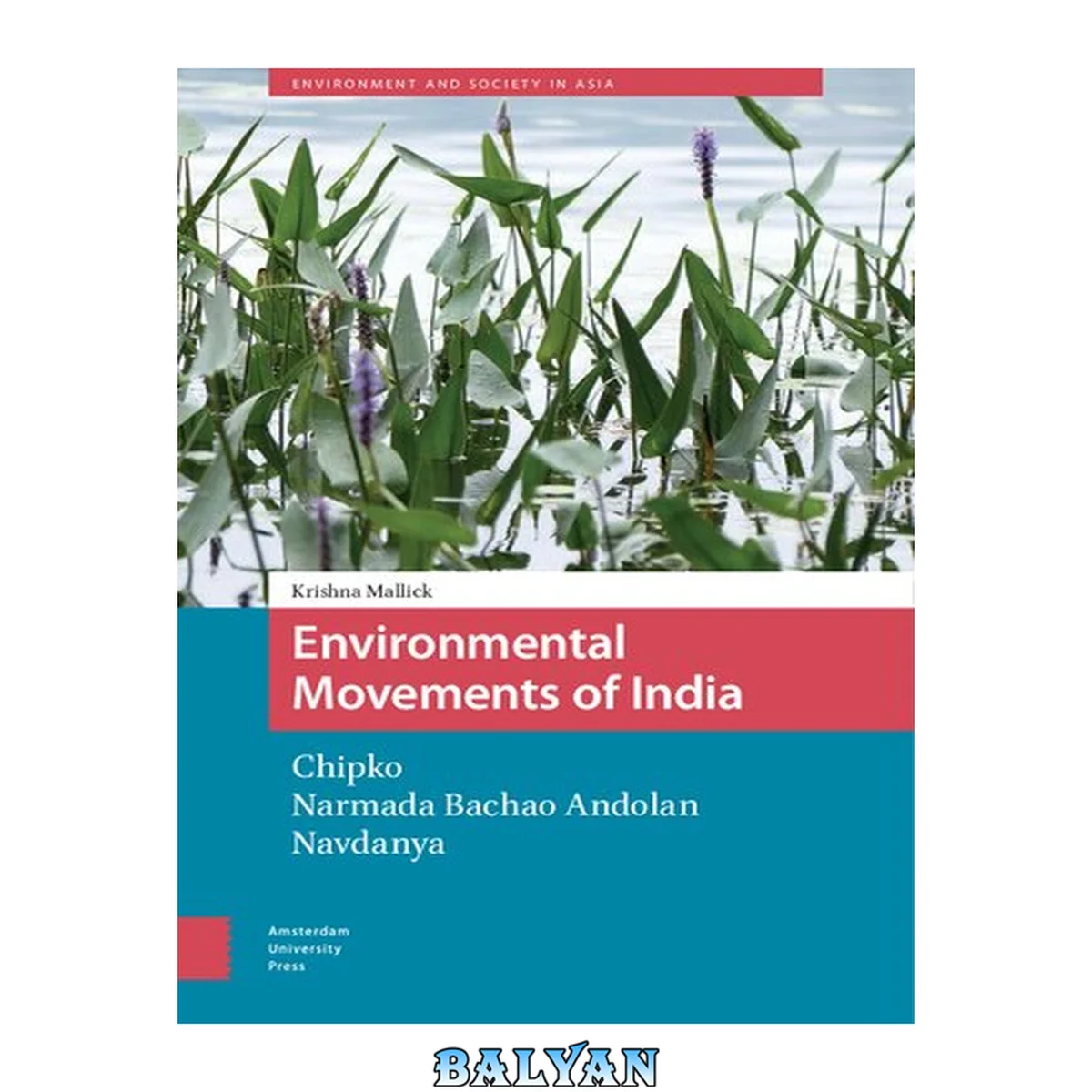
معرفی کتاب «Environmental Movements of India: Chipko, Narmada Bachao Andolan, Navdanya (Environment and Society in Asia)» نوشتهٔ Meyer، Stephenie و DR. Krishna Mallick، منتشرشده توسط نشر Amsterdam University Press در سال 2021. این کتاب در فرمت pdf، زبان انگلیسی ارائه شده است.
In her detailed retelling of three iconic movements in India, Professor Emerita Krishna Mallick, PhD, gives hope to grassroots activists working toward environmental justice. Each movement deals with a different crisis and affected population: Chipko, famed for tree-hugging women in the Himalayan forest; Narmada, for villagers displaced by a massive dam; and Navdanya, for hundreds of thousands of farmers whose livelihoods were lost to a compact made by the Indian government and neoliberal purveyors of genetically modified organisms (GMOs). Relentlessly researched, Environmental Movements of India: Chipko, Narmada Bachao Andolan, Navdanya presents these movements in a framework that explores Hindu Vedic wisdom, as well as Development Ethics, Global Environment Ethics, Feminist Care Ethics, and the Capability Approach. At a moment when the climate threatens populations who live closest to nature – and depend upon its fodder for heat, its water for life, and its seeds for food – Mallick shows how nonviolent action can give poor people an effective voice. Cover 1 Table of Contents 8 Acknowledgments 12 Foreword 14 Frances Moore Lappé 14 Glossary 16 Introduction 18 Three Grassroots Movements That Made a Global Impact 18 Principles of Environmental Philosophy 21 (1) Environmental Justice 21 (2) Intergenerational Equality 21 (3) Respect for Nature 22 1. Historical and Cultural Contexts in India 24 1.1 ‘Legal’ Destruction of India’s Forests 25 1.1.1 Acts Spark Peasant Protests 26 1.2 A Cultural Leader Emerges 28 1.2.1 Nonviolence and Gandhi’s Truth 29 1.2.2 How Chipko Followed Hinduism through Gandhi 30 1.2.3 How NBA Followed Hinduism through Gandhi 31 1.2.4 How Navdanya Followed Hinduism through Gandhi 32 1.2.5 Ecology and Social Justice 32 1.3 Conclusion 34 Works Cited 35 2. Chipko (Hug the Trees) Movement 38 2.1 A Physical Act of Survival 39 2.1.1 Sacred Texts and Social Justice 40 2.2 Preconditions and Formation of the Chipko Movement 41 2.2.1 Workers Organize for Nonviolent Action 43 2.2.2 Suffering by Means of Fasting and Foot March 44 2.3 Laudable Leaders 45 2.3.1 Women’s Role in the Chipko Movement 47 2.4 Critical Reception of the Chipko Movement 49 2.4.1 Questions about Chipko’s Popularity and Success 53 2.5 Conclusion 56 Works Cited 57 3. Narmada Bachao Andolan (NBA): Save the Narmada 60 3.1 The Common Good in a Cost-Benefit Analysis 62 3.1.1 A Recursive History of Dam-Building 64 3.2 Regional Tensions from the Start 65 3.2.1 Amid Unrest, NGOs Align to Form NBA 66 3.2.2 National and Global Ramifications 68 3.3 Gender and the Narmada Case 69 3.3.1 Roles for Displaced Women 72 3.4 Gendered Dimensions of Neoliberal Capitalist Development 74 3.5 Reasons for the Success of the NBA 76 3.6 Conclusion 78 Works Cited 80 4. Navdanya (Nine Seeds) Movement 84 4.1 The Terrible Human Toll of GM Crops 85 4.1.1 Shifting Economics 87 4.2 Emergence of Anti-GM Movements 88 4.2.1 KRRS: Fiery Fields of Protest 88 4.2.2 Gene Campaign: Secure Food and Climate 89 4.2.3 Navdanya’s Holistic Approach 90 4.3 Food Sovereignty 91 4.3.1 Biodiverse Organic Farming 93 4.4 Biodiversity and Climate Change 94 4.4.1 Entrepreneurial Renewal 96 4.5 Navdanya and Social Justice 97 4.5.1 Civil Disobedience 98 4.5.2 Human Right to Food 99 4.5.3 Protecting the Global South 102 4.6 Shiva’s View of Earth Democracy 104 4.7 Genetically Modified Crops and the Future 107 4.8 Conclusion 110 Works Cited 111 5. Moral Implications of Environmental Movements 116 5.1 The Mesmerizing Power of Nonviolence 116 5.1.1 An Ecological Warrior 118 5.1.2 Truth at All Costs 120 5.2 Defining Views of Globalism 120 5.2.1 Technological Prowess 121 5.3 Core Values of Development Ethics 122 5.3.1 Environmental Justice for All 131 5.4 Ecofeminism: Ethics of Mutual Care and Connection 132 5.4.1 Ecofeminist Roots in the Chipko Movement 134 5.4.2 Southern Materialist Ecofeminism 136 5.5 Conclusion 137 Works Cited 138 6. Hindu Ethics and Ecology 144 6.1 Historical Background of Hinduism 146 6.2 Comparison of Hindu Dharma and Ethics in the West 148 6.2.1 The Gita and Dharma 151 6.2.2 The Ramayana and Dharma 153 6.2.3 The Yogasutra and Dharma 154 6.3 Hindu Dharma, Ecology, and Sustainability 154 6.3.1 Hindu Dharma and Applications in Ecologically Sustainable Development 160 6.4 Ways Hindus Connect to Nature 162 6.5 Influence of Symbolic Traditions on Some Environmental Cases 164 6.6 Is Hinduism Eco-Friendly? 167 6.7 Influence of Hinduism and Other Literature on Gandhi 169 6.8 Conclusion 171 Works Cited 172 Conclusion 176 The Symbiosis of Natural Resources and Local Needs 176 Theoretical Views of the Global South 178 Global Environmental Theory 178 Feminist Care Ethics 179 The Capabilities Approach 180 Ethics of Nonviolence 180 Works Cited 182 Index 184 Cover -- Table Of Contents -- Acknowledgments -- Foreword -- Frances Moore Lappé -- Glossary -- Introduction -- Three Grassroots Movements That Made A Global Impact -- Principles Of Environmental Philosophy -- (1) Environmental Justice -- (2) Intergenerational Equality -- (3) Respect For Nature -- 1. Historical And Cultural Contexts In India -- 1.1 'legal' Destruction Of India's Forests -- 1.1.1 Acts Spark Peasant Protests -- 1.2 A Cultural Leader Emerges -- 1.2.1 Nonviolence And Gandhi's Truth -- 1.2.2 How Chipko Followed Hinduism Through Gandhi 1.2.3 How Nba Followed Hinduism Through Gandhi -- 1.2.4 How Navdanya Followed Hinduism Through Gandhi -- 1.2.5 Ecology And Social Justice -- 1.3 Conclusion -- Works Cited -- 2. Chipko (hug The Trees) Movement -- 2.1 A Physical Act Of Survival -- 2.1.1 Sacred Texts And Social Justice -- 2.2 Preconditions And Formation Of The Chipko Movement -- 2.2.1 Workers Organize For Nonviolent Action -- 2.2.2 Suffering By Means Of Fasting And Foot March -- 2.3 Laudable Leaders -- 2.3.1 Women's Role In The Chipko Movement -- 2.4 Critical Reception Of The Chipko Movement 2.4.1 Questions About Chipko's Popularity And Success -- 2.5 Conclusion -- Works Cited -- 3. Narmada Bachao Andolan (nba): Save The Narmada -- 3.1 The Common Good In A Cost-benefit Analysis -- 3.1.1 A Recursive History Of Dam-building -- 3.2 Regional Tensions From The Start -- 3.2.1 Amid Unrest, Ngos Align To Form Nba -- 3.2.2 National And Global Ramifications -- 3.3 Gender And The Narmada Case -- 3.3.1 Roles For Displaced Women -- 3.4 Gendered Dimensions Of Neoliberal Capitalist Development -- 3.5 Reasons For The Success Of The Nba -- 3.6 Conclusion -- Works Cited 4. Navdanya (nine Seeds) Movement -- 4.1 The Terrible Human Toll Of Gm Crops -- 4.1.1 Shifting Economics -- 4.2 Emergence Of Anti-gm Movements -- 4.2.1 Krrs: Fiery Fields Of Protest -- 4.2.2 Gene Campaign: Secure Food And Climate -- 4.2.3 Navdanya's Holistic Approach -- 4.3 Food Sovereignty -- 4.3.1 Biodiverse Organic Farming -- 4.4 Biodiversity And Climate Change -- 4.4.1 Entrepreneurial Renewal -- 4.5 Navdanya And Social Justice -- 4.5.1 Civil Disobedience -- 4.5.2 Human Right To Food -- 4.5.3 Protecting The Global South -- 4.6 Shiva's View Of Earth Democracy 4.7 Genetically Modified Crops And The Future -- 4.8 Conclusion -- Works Cited -- 5. Moral Implications Of Environmental Movements -- 5.1 The Mesmerizing Power Of Nonviolence -- 5.1.1 An Ecological Warrior -- 5.1.2 Truth At All Costs -- 5.2 Defining Views Of Globalism -- 5.2.1 Technological Prowess -- 5.3 Core Values Of Development Ethics -- 5.3.1 Environmental Justice For All -- 5.4 Ecofeminism: Ethics Of Mutual Care And Connection -- 5.4.1 Ecofeminist Roots In The Chipko Movement -- 5.4.2 Southern Materialist Ecofeminism -- 5.5 Conclusion -- Works Cited -- 6. Hindu Ethics And Ecology 6.1 Historical Background Of Hinduism. Electronic Reproduction. Baltimore, Md Available Via World Wide Web. In her detailed retelling of three iconic movements in India, Professor Emerita Krishna Mallick, PhD, gives hope to grassroots activists working toward environmental justice. Each movement deals with a different crisis and affected population: Chipko, famed for tree-hugging women in the Himalayan forest; Narmada, for villagers displaced by a massive dam; and Navdanya, for hundreds of thousands of farmers whose livelihoods were lost to a compact made by the Indian government and neoliberal purveyors of genetically modified organisms (GMOs). Relentlessly researched, the book presents these movements in a framework that explores Hindu Vedic wisdom, as well as Development Ethics, Global Environment Ethics, Feminist Care Ethics, and the Capability Approach. At a moment when the climate threatens populations who live closest to nature - and depend upon its fodder for heat, its water for life, and its seeds for food - Mallick shows how nonviolent action can give poor people an effective voice. Looks at three movements consisting of grassroots activists working toward environmental justice. Each movement deals with a different crisis and affected population: Chipko, famed for tree-hugging women in the Himalayan forest; Narmada, for villagers displaced by a massive dam; and Navdanya, for hundreds of thousands of farmers whose livelihoods were lost to a compact made by the Indian government with purveyors of genetically modified organisms (GMOs)
دانلود کتاب Environmental Movements of India: Chipko, Narmada Bachao Andolan, Navdanya (Environment and Society in Asia)