Entellektüel: sürgün, marjinal, yabancı
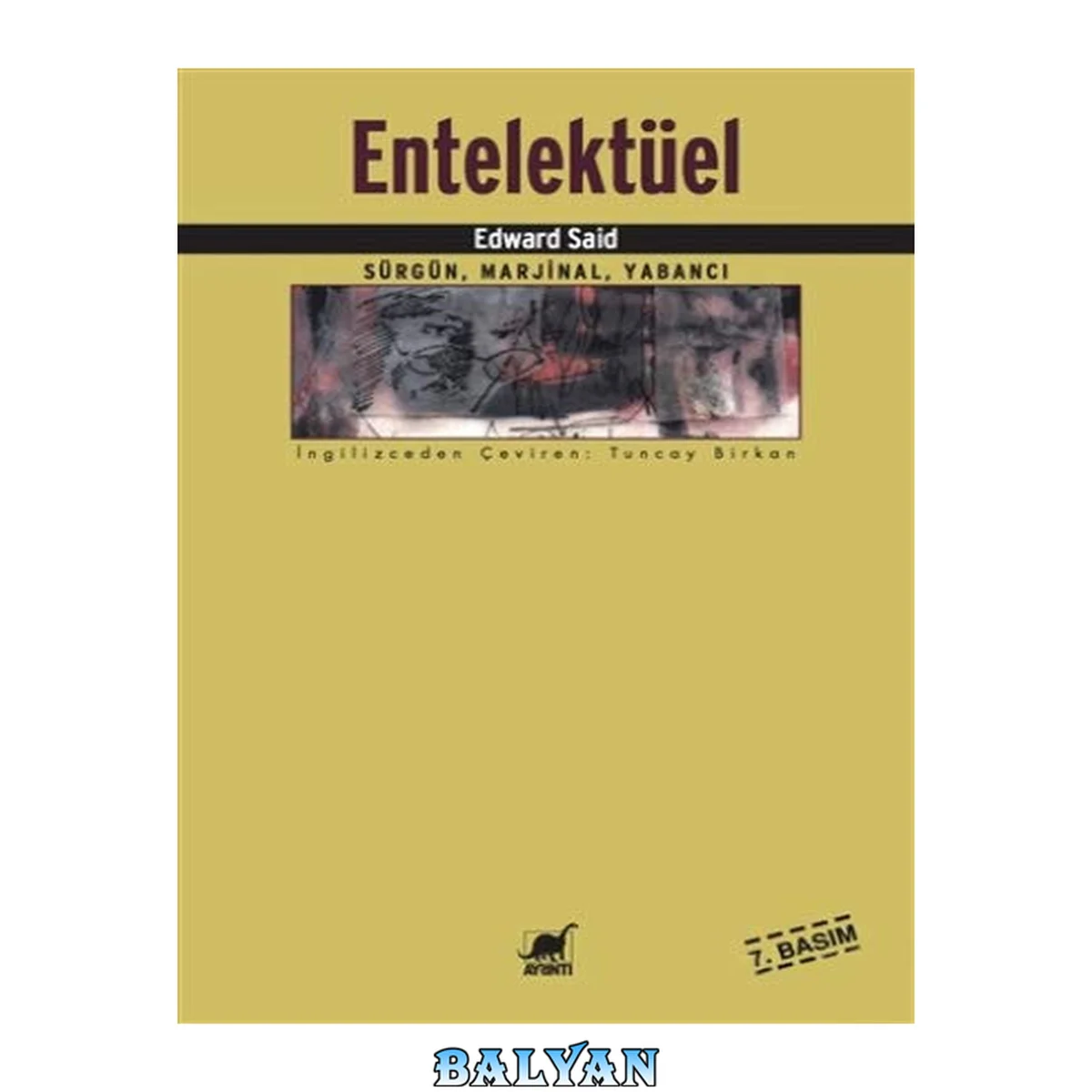
معرفی کتاب «Entellektüel: sürgün, marjinal, yabancı» نوشتهٔ Edward W. Said [Said, Edward W.]، منتشرشده توسط نشر Ayrıntı Yayınları در سال 2013. این کتاب در فرمت epub، زبان انگلیسی ارائه شده است.
Düşünceyle arası zaten hiçbir zaman hoş olmamış bu topraklarda, düşünceyi ve onu cisimleştiren entelektüeli “terörize ederek etkisizleştirmeyi amaçlayan”, doğrudan doğruya “vatan hainliği” ile damgalayacak kadar pervasızlaşan bir zihniyet iyice egemenliğini kurmuş durumda. Milliyetçi ve dinsel fanatizm kendisinden başkasına düşüncesini ifade bir yana, yaşama hakkı bile tanımıyor. Bu toprakları “sevme hakkı”nı kendi tekeline almak istiyor.Batı’nın İslam anlayışının ikiyüzlü önyargılarına karşı koymasıyla ünlendiği halde, Salman Rushdie’nin ifade özgürlüğünü sonuna kadar savunarak gerçek bir entelektüel tavrı sergileyen Edward Said’in bu önemli kitabının Türkiye bağlamında son derece ayrıştırıcı bir yere oturduğunu düşünüyoruz. Said, entelektüeli öncelikle otorite ve iktidara hizmet etmeyi reddedişiyle, sonra da milliyeti, dini, ge-leneği ile arasına koyduğu mesafe ile tanımlıyor. “Artık kişinin evinde, kendini evinde hissetmemesi bir ahlâk meselesidir” diyen Adorno’yu yankılayarak entelektüeli metaforik bir sürgün, bir evsizlik konumuna yerleştiriyor.Sürgün içinde yaşadığı toplumun (ve hatta dünyanın) yerlilerinden olmamayı, orada hep tedirgin, rahatsız ve başkalarını da rahatsız eden bir yabancı olmayı içeren bir konum ona göre. Ama geçmişinin, dilinin, milliyetinin sunduğu ucuz kesinliklerin ötesine geçip evrensellik idealinde ısrar eden entelektüel, hep marjinal kalmayı bir yoksunluk olarak değil, bir özgürlük, bir keşif süreci olarak yaşar.Entelektüel, eskiden olduğu gibi, toplumda bir uzlaşma oluşturacak genel simgeleri yaratan biri değil, bu simgeleri sorgulayan, kutsal sayılan gelenek ve değerlerin ikiyüzlülüğünü, ırkçılığını, cinsiyetçiliğini teşhir eden; hiçbir fikir ayrılığına tahammülleri olmayan kutsal metin gardiyanlarıyla mücadeleden çekinmeyen kişidir. Profesyonelleşmenin baskısı giderek artarken, amatör kalıp kamusal alanda yoksullar, yok sayılanlar, güçsüzler adına kendi görüşünü ve tavrını temsil etmekte ısrar eden bireydir entelektüel.Hiçbir kahramana ve siyasi hiçbir tanrıya inanmaz. Düşünceyle arası zaten hiçbir zaman hoş olmamış bu topraklarda, düşünceyi ve onu cisimleştiren entelektüeli “terörize ederek etkisizleş- tirmeyi amaçlayan”, doğrudan doğruya “vatan hainliği” ile damga-layacak kadar pervasızlaşan bir zihniyet iyice egemenliğini kurmuş durumda. Milliyetçi ve dinsel fanatizm kendisinden başkasına düşüncesini ifade bir yana, yaşama hakkı bile tanımıyor. Bu toprakları “sevme hakkı”nı kendi tekeline almak istiyor. Batı'nın İslam anlayışının ikiyüzlü önyargılarına karşı koymasıyla ünlendiği halde, Salman Rushdie'nin ifade özgürlüğünü sonuna kadar savunarak gerçek bir entelektüel tavrı sergileyen Edward Said'in bu önemli kitabının Türkiye bağlamında son derece ayrıştırıcı bir yere oturduğunu düşünüyoruz. Said, entelektüeli öncelikle otorite ve iktidara hizmet etmeyi reddedişiyle, sonra da milliyeti, dini, ge-leneği ile arasına koyduğu mesafe ile tanımlıyor. “Artık kişinin evinde, kendini evinde hissetmemesi bir ahlâk meselesidir” diyen Adorno'yu yankılayarak entelektüeli metaforik bir sürgün, bir evsizlik konumuna yerleştiriyor. Sürgün içinde yaşadığı toplumun (ve hatta dünyanın) yerlilerinden olmamayı, orada hep tedirgin, rahatsız ve başkalarını da rahatsız eden bir yabancı olmayı içeren bir konum ona göre. Ama geçmişinin, dilinin, milliyetinin sunduğu ucuz kesinliklerin ötesine geçip evrensellik idealinde ısrar eden entelektüel, hep marjinal kalmayı bir yoksunluk olarak değil, bir özgürlük, bir keşif süreci olarak yaşar. Entelektüel, eskiden olduğu gibi, toplumda bir uzlaşma oluşturacak genel simgeleri yaratan biri değil, bu simgeleri sorgulayan, kutsal sayılan gelenek ve değerlerin ikiyüzlülüğünü, ırkçılığını, cinsiyetçiliğini teşhir eden; hiçbir fikir ayrılığına tahammülleri olmayan kutsal metin gardiyanlarıyla mücadeleden çekinmeyen kişidir. Profesyonelleşmenin baskısı giderek artarken, amatör kalıp kamusal alanda yoksullar, yok sayılanlar, güçsüzler adına kendi görüşünü ve tavrını temsil etmekte ısrar eden bireydir entelektüel. Hiçbir kahramana ve siyasi hiçbir tanrıya inanmaz. Sosyoloji Celebrated humanist, teacher, and scholar, Edward W. Said here examines the ever-changing role of the intellectual today. In these six stunning essays - delivered on the BBC as the prestigious Reith Lectures - Said addresses the ways in which the intellectual can best serve society in the light of a heavily compromised media and of special interest groups who are protected at the cost of larger community concerns. Said suggests a recasting of the intellectual's vision to resist the lures of power, money, and specialization. in these powerful pieces, Said eloquently illustrates his arguments by drawing on such writers as Antonio Gramsci, Jean-Paul Sartre, Regis Debray, Julien Benda, and Adorno, and by discussing current events and celebrated figures in the world of science and politics: Robert Oppenheimer, Henry Kissinger, Dan Quayle, Vietnam, and the Gulf War. Said sees the modern intellectual as an editor, journalist, academic, or political adviser - in other words, a highly specialized professional - who has moved from a position of independence to an alliance with powerful institutional organizations. He concludes that it is the exile-immigrant, the expatriate, and the amateur who must uphold the traditional role of the intellectual as the voice of integrity and courage, able to speak out against those in power. BBC episodes presented by Edward Said: (http://www.bbc.co.uk/programmes/p00gmx4c/episodes/player) http://www.bbc.co.uk/programmes/p00gm... What Does It Mean To Be An Intellectual At A Time When A Large Proportion Of The Population Is In The Information Business? Are Intellectuals Merely The Specialized Servants Of Special Interests Or Do They Have A Large Responsibility? In These Wide-ranging Essays, Which Were Originally Delivered As Part Of The Bbc's Prestigious Reith Lectures, One Of Our Most Brilliant And Fiercely Independent Public Thinkers Addresses Those Questions With Extraordinary Eloquence. Edward Said Sees The Intellectual As An Exile And Amateur Whose Role It Is To Speak The Truth To Power Even At The Risk Of Ostracism Or Imprisonment. Drawing On The Examples Of Jonathan Swift And Theodor Adorno, Robert Oppenheimer And Henry Kissinger, Vietnam And The Gulf War, Said Explores The Implications Of This Idea And Shows What Happens When Intellectuals Succumb To The Lures Of Money, Power, Or Specialization. Representations Of The Intellectual Embodies The Very Values That It Upholds: Relentless Honesty, Rigor Of Thought And Conscience, And A Sublime Disdain For Dogma.--p. [4] Of Cover. Representations Of The Intellectual -- Holding Nations And Traditions At Bay -- Intellectual Exile : Expatriates And Marginals -- Professionals And Amateurs -- Speaking Truth To Power -- Gods That Always Fail. Edward W. Said. Includes Bibliographical References. "What does it mean to be an intellectual at a time when a large proportion of the population is in the information business? Are intellectuals merely the specialized servants of special interests or do they have a large responsibility? In these wide-ranging essays, which were originally delivered as part of the BBC's prestigious Reith Lectures, one of our most brilliant and fiercely independent public thinkers addresses those questions with extraordinary eloquence. Edward Said sees the intellectual as an exile and amateur whose role it is "to speak the truth to power" even at the risk of ostracism or imprisonment. Drawing on the examples of Jonathan Swift and Theodor Adorno, Robert Oppenheimer and Henry Kissinger, Vietnam and the Gulf War, Said explores the implications of this idea and shows what happens when intellectuals succumb to the lures of money, power, or specialization. Representations of the intellectual embodies the very values that it upholds: relentless honesty, rigor of thought and conscience, and a sublime disdain for dogma."--Page 4 of cover In these impassioned and inspiring essays, based on his 1993 Reith Lectures, Edward Said explores what it means to be an intellectual.'Said is a brilliant and unique amalgam of scholar, aesthete and political activist.... He challenges and stimulates our thinking in every area.'--Washington Post Book WorldAre intellectuals merely the servants of special interests or do they have a larger responsibility? In these wide-ranging essays, one of our most brilliant and fiercely independent public thinkers addresses this question with extraordinary eloquence. Said sees the the intellectual as an exile and amateur whose role it is'to speak the truth to power'even at the risk of ostracism or imprisonment. Drawing on the examples of Jonathan Swift and Theodor Adorno, Robert Oppenheimer and Henry Kissinger, Vietnam and the Gulf War, Said explores the implications of this idea and shows what happens when intellectuals succumb to the lures of money, power, or specialization. In these six essays--delivered on the BBC as the prestigious Reith Lectures--Edward Said addresses the ways in which the intellectual can best serve society in the light of a heavily compromised media and of special interest groups who are protected at the cost of larger community concerns. Said suggests a recasting of the intellectual's vision to resist the lures of power, money, and specialization. In these pieces, Said eloquently illustrates his arguments by drawing on such writers as Antonio Gramsci, Jean-Paul Sartre, Regis Debray, Julien Benda, and Theodore Adorno, and by discussing cur ARE INTELLECTUALS a very large or an extremely small and highly selective group of people?
دانلود کتاب Entellektüel: sürgün, marjinal, yabancı