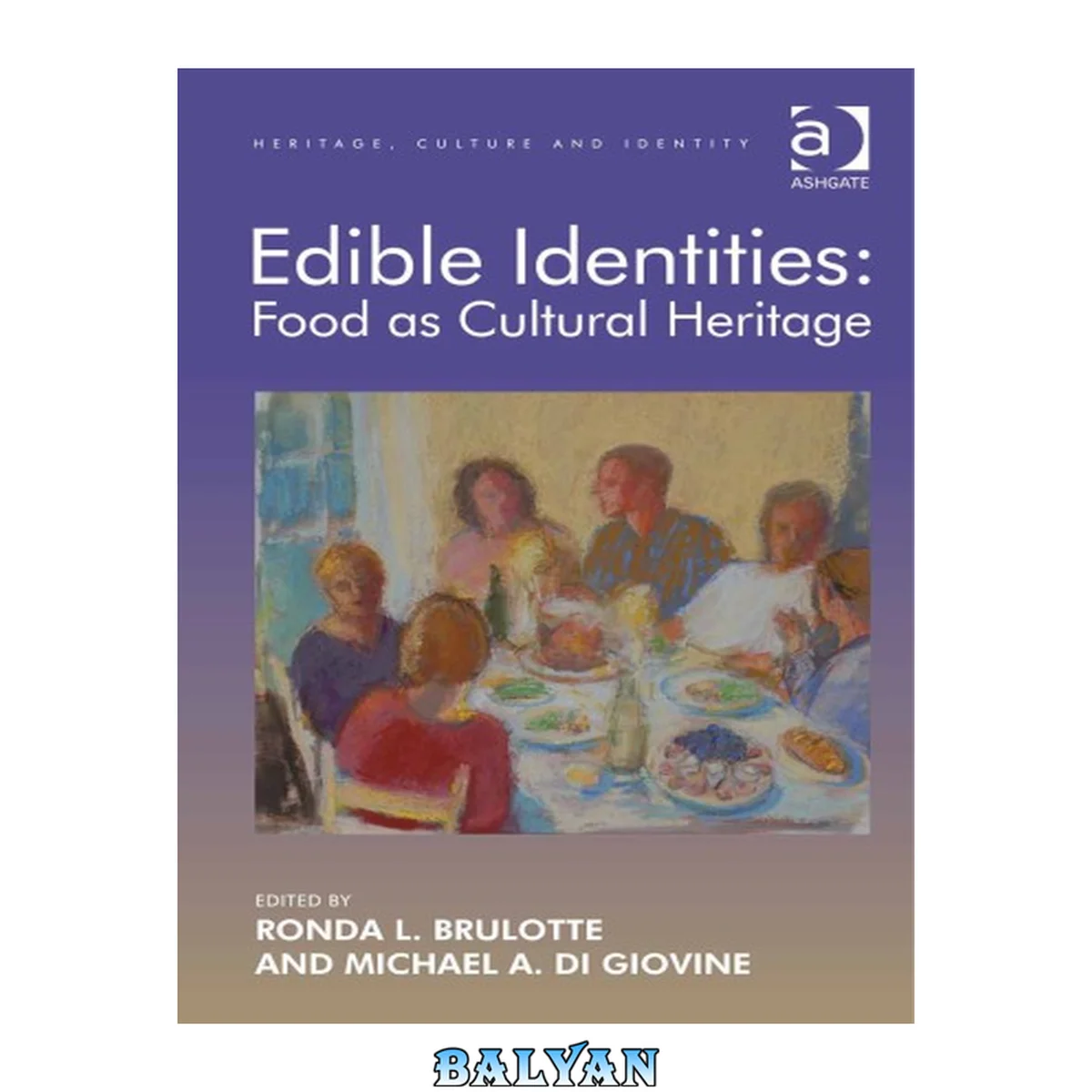
معرفی کتاب «Edible identities : food as cultural heritage» نوشتهٔ Mitchel E Schultz، Bernard Grob و Brulotte, Ronda L.; Di Giovine, Michael A.، منتشرشده توسط نشر Ashgate Publishing Limited در سال 2014. این کتاب در فرمت pdf، زبان انگلیسی ارائه شده است.
Bringing together cultural anthropologists, archaeologists, historians and other scholars of food and heritage, this volume closely examines the ways in which the cultivation, preparation, and consumption of food is used to create identity claims of 'cultural heritage' on local, regional, national and international scales. Featuring case studies from Europe, Asia and the Americas, this timely volume also addresses the complex processes of classifying, designating, and valorizing food as 'terroir, ' 'slow food, ' or as intangible cultural heritage through UNESCO. By effectively analyzing food and. Read more... "Food - its cultivation, preparation and communal consumption - has long been considered a form of cultural heritage. A dynamic, living product, food creates social bonds as it simultaneously marks off and maintains cultural difference. In bringing together anthropologists, historians and other scholars of food and heritage, this volume closely examines the ways in which the cultivation, preparation, and consumption of food is used to create identity claims of 'cultural heritage' on local, regional, national and international scales. Contributors explore a range of themes, including how food is used to mark insiders and outsiders within an ethnic group; how the same food's meanings change within a particular society based on class, gender or taste; and how traditions are 'invented' for the revitalization of a community during periods of cultural pressure. Featuring case studies from Europe, Asia and the Americas, this timely volume also addresses the complex processes of classifying, designating, and valorizing food as 'terroir, ' 'slow food, ' or as intangible cultural heritage through UNESCO. By effectively analyzing food and foodways through the perspectives of critical heritage studies, this collection productively brings two overlapping but frequently separate theoretical frameworks into conversation"--EBL Cover Contents List of Figures Notes on Contributors Introduction 1 Re-Inventing a Tradition of Invention 2 Terroir in D.C.? Inventing Food Traditions for the Nation's Capital 3 Of Cheese and Ecomuseums: Food as Cultural Heritage 4 Edible Authenticities 5 The Everyday as Extraordinary 6 Take the Chicken Out of the Box 7 Caldo De Piedra and Claiming Pre-Hispanic Cuisine as Cultural Heritage 8 Hallucinating the Slovenian Way 9 Haute Traditional Cuisines 10 Reinventing Edible Identities 11 French Chocolate as Intangible Cultural Heritage 12 Daily Bread, Global Distinction? 13 The Mexican and Transnational Lives of Corn14 Cultural Heritage in Food Activism Index.
Food - its cultivation, preparation and communal consumption - has long been considered a form of cultural heritage. A dynamic, living product, food creates social bonds as it simultaneously marks off and maintains cultural difference. In bringing together anthropologists, historians and other scholars of food and heritage, this volume closely examines the ways in which the cultivation, preparation, and consumption of food is used to create identity claims of 'cultural heritage' on local, regional, national and international scales. Contributors explore a range of themes, including how food is used to mark insiders and outsiders within an ethnic group