Eating Cuban : 120 Authentic Recipes From the Streets of Havana to American Shores
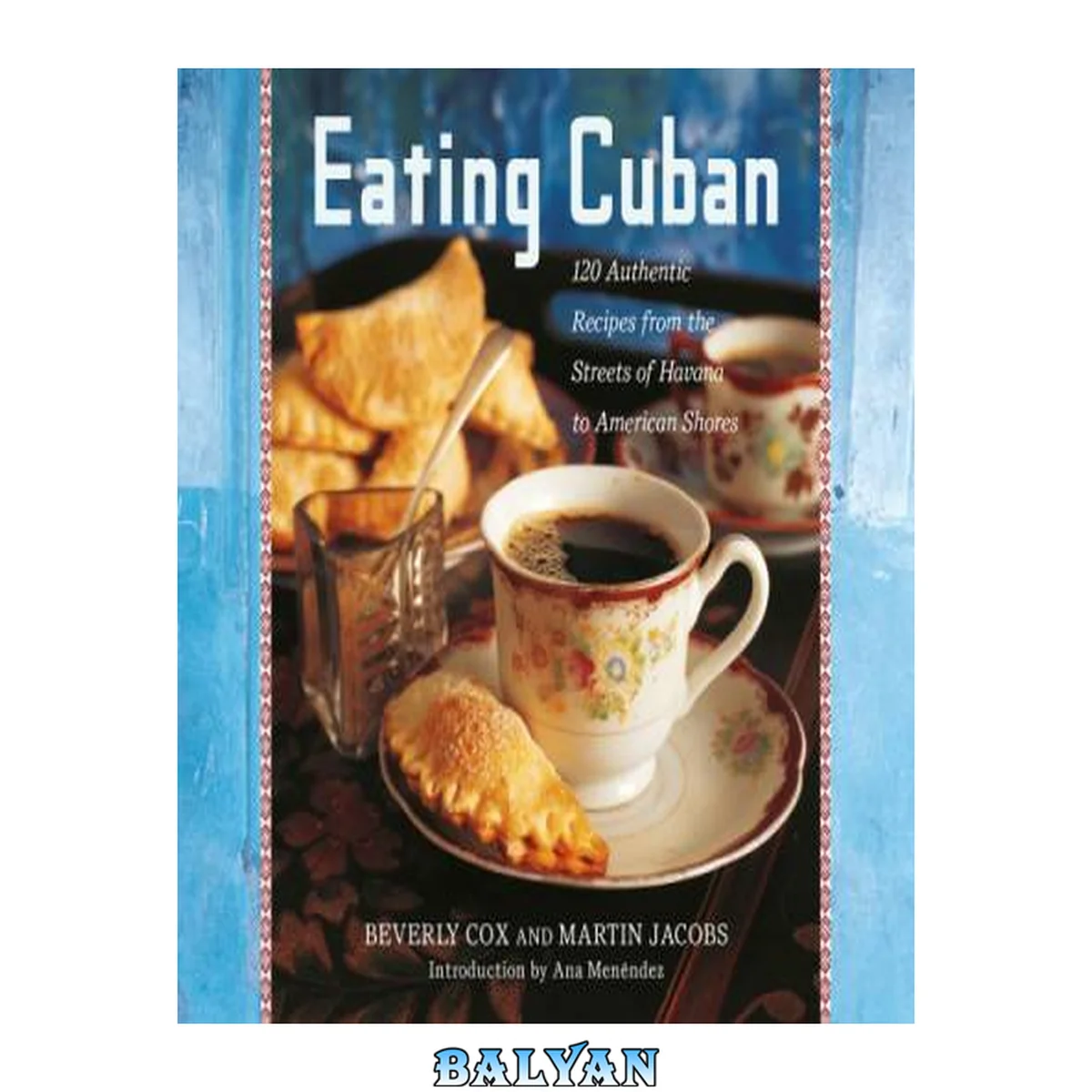
معرفی کتاب «Eating Cuban : 120 Authentic Recipes From the Streets of Havana to American Shores» نوشتهٔ Cox, Beverly;Jacobs, Martin;Menendez, Ana، منتشرشده توسط نشر ABRAMS (Ignition) در سال 2006. این کتاب در فرمت epub، زبان انگلیسی ارائه شده است.
Title Page; Copyright Page; Contents; Preface; Introduction; Las Raices | The Roots; Clásicos Criollas | Creole Classics; Comidas Ambulantes | Street Food; Cocina Nueva Onda | New Wave Cooking; Bebidas | Beverages; Glossary of Cuban Ingredients and Cooking Terms; Bibliography; Sources for Cuban Cooking Ingredients; Some Favorite Places for Eating Cuban; Index of Searchable Terms. James Beard Award–Winning Author: Savor a deliciously complex culinary culture with 120 recipes and gorgeous photos. Spanish, Native American, African, Chinese, and French traditions have all contributed to Cuban cooking, producing a distinctive Caribbean cuisine as richly chorded as the island’s music. Beverly Cox and Martin Jacobs’s itinerary takes them from the barrio, paladars (private restaurants), and chic nightspots of Havana to the eateries of Florida’s emigré communities. From their journeys, they’ve gathered more than 120 recipes that comprehensively document Cuban cooking’s diversity, from the black bean soup found on any Cuban table, to the empanadas sold by Havana’s street vendors, to the grilled sandwiches that are a mainstay of Miami’s Calle Ocho, to the innovative dishes devised by chefs at top Cuban restaurants. Gorgeously illustrated with Jacobs’s photographs —many shot on the authors’ travels through Cuba— Eating Cuban highlights Cuban food’s historical roots, the classic Creole dishes that evolved from these disparate cultural influences, current trends in Cuban cooking, street foods and on-the-go snacks, and quintessential Cuban beverages from café Cubano to the mojito. In addition, a valuable resource list helps American cooks locate the required ingredients, and a restaurant directory points the way to the very best in Cuban cuisine—in Cuba and the U.S. To "eat Cuban" is to savor a deliciously complex culinary culture. Spanish, Native American, African, Chinese, and French traditions have all contributed to Cuban cooking, producing a distinctive Caribbean cuisine as richly chorded as the island's music.
Beverly Cox and Martin Jacobs's itinerary takes them from the barrio, paladars (private restaurants), and chic nightspots of Havana to the eateries of Florida's emigre communities. From their journeys, they've gathered more than 120 recipes that comprehensively document Cuban cooking's diversity, from the black bean soup found on any Cuban table, to the empanadas sold by Havana's street vendors, to the grilled sandwiches that are a mainstay of Miami's Calle Ocho, to the innovative dishes devised by chefs at top Cuban restaurants.
Gorgeously illustrated with Jacobs's photographs -many shot on the authors' travels through Cuba-Eating Cuban highlights Cuban food's historical roots, the classic Creole dishes that evolved from these disparate cultural influences, current trends in Cuban cooking, street foods and on-the-go snacks, and quintessential Cuban beverages from cafe Cubano to the mojito. A valuable resource list helps American cooks locate the required ingredients, and a restaurant directory points the way to the very best in Cuban cuisine-in Cuba and the U.S. To “eat Cuban” is to savor a deliciously complex culinary culture. Spanish, Native American, African, Chinese, and French traditions have all contributed to Cuban cooking, producing a distinctive Caribbean cuisine as richly chorded as the island’s music. Beverly Cox and Martin Jacobs’s itinerary takes them from the barrio, paladars (private restaurants), and chic nightspots of Havana to the eateries of Florida’s emigré communities. From their journeys, they’ve gathered more than 120 recipes that comprehensively document Cuban cooking’s diversity, from the black bean soup found on any Cuban table, to the empanadas sold by Havana’s street vendors, to the grilled sandwiches that are a mainstay of Miami’s Calle Ocho, to the innovative dishes devised by chefs at top Cuban restaurants. Gorgeously illustrated with Jacobs’s photographs —many shot on the authors’ travels through Cuba—Eating Cuban highlights Cuban food’s historical roots, the classic Creole dishes that evolved from these disparate cultural influences, current trends in Cuban cooking, street foods and on-the-go snacks, and quintessential Cuban beverages from café Cubano to the mojito. A valuable resource list helps American cooks locate the required ingredients, and a restaurant directory points the way to the very best in Cuban cuisine—in Cuba and the U.S. To eat Cuban is to savor a deliciously complex culinary culture. Spanish, Native American, African, Chinese, and French traditions have all contributed to Cuban cooking, producing a distinctive Caribbean cuisine as richly chorded as the islands music. Beverly Cox and Martin Jacobss itinerary takes them from the barrio, paladars (private restaurants), and chic nightspots of Havana to the eateries of Floridas emigr communities. From their journeys, theyve gathered more than 120 recipes that comprehensively document Cuban cookings diversity, from the black bean soup found on any Cuban table, to the empanadas sold by Havanas street vendors, to the grilled sandwiches that are a mainstay of Miamis Calle Ocho, to the innovative dishes devised by chefs at top Cuban restaurants. Gorgeously illustrated with Jacobss photographs many shot on the authors travels through Cuba Eating Cuban highlights Cuban foods historical roots, the classic Creole dishes that evolved from these disparate cultural influences, current trends in Cuban cooking, street foods and on-the-go snacks, and quintessential Cuban beverages from caf Cubano to the mojito. A valuable resource list helps American cooks locate the required ingredients, and a restaurant directory points the way to the very best in Cuban cuisinein Cuba and the U.S. To “eat Cuban" is to savor a deliciously complex culinary culture. Spanish, Native American, African, Chinese, and French traditions have all contributed to Cuban cooking, producing a distinctive Caribbean cuisine as richly chorded as the island's music. Beverly Cox and Martin Jacobs's itinerary takes them from the barrio, paladars (private restaurants), and chic nightspots of Havana to the eateries of Florida's emigré communities. From their journeys, they've gathered more than 120 recipes that comprehensively document Cuban cooking's diversity, from the black bean soup found on any Cuban table, to the empanadas sold by Havana's street vendors, to the grilled sandwiches that are a mainstay of Miami's Calle Ocho, to the innovative dishes devised by chefs at top Cuban restaurants. Gorgeously illustrated with Jacobs's photographs —many shot on the authors' travels through Cuba— Eating Cuban highlights Cuban food's historical roots, the... Divided into five chapters, this book presents 120 recipes of both traditional Cuban dishes such as black bean soup, Tostones (double deep-fried green plaintain chips), Empanadas (pastry turnovers filled with spicy beef) and Helado de Coco en Casco (coconut ice cream served in a coconut shells). A collection of Cuban recipes from the streets of Havana to the recipes of Cuban emigres to the U.S
دانلود کتاب Eating Cuban : 120 Authentic Recipes From the Streets of Havana to American Shores
Beverly Cox and Martin Jacobs's itinerary takes them from the barrio, paladars (private restaurants), and chic nightspots of Havana to the eateries of Florida's emigre communities. From their journeys, they've gathered more than 120 recipes that comprehensively document Cuban cooking's diversity, from the black bean soup found on any Cuban table, to the empanadas sold by Havana's street vendors, to the grilled sandwiches that are a mainstay of Miami's Calle Ocho, to the innovative dishes devised by chefs at top Cuban restaurants.
Gorgeously illustrated with Jacobs's photographs -many shot on the authors' travels through Cuba-Eating Cuban highlights Cuban food's historical roots, the classic Creole dishes that evolved from these disparate cultural influences, current trends in Cuban cooking, street foods and on-the-go snacks, and quintessential Cuban beverages from cafe Cubano to the mojito. A valuable resource list helps American cooks locate the required ingredients, and a restaurant directory points the way to the very best in Cuban cuisine-in Cuba and the U.S. To “eat Cuban” is to savor a deliciously complex culinary culture. Spanish, Native American, African, Chinese, and French traditions have all contributed to Cuban cooking, producing a distinctive Caribbean cuisine as richly chorded as the island’s music. Beverly Cox and Martin Jacobs’s itinerary takes them from the barrio, paladars (private restaurants), and chic nightspots of Havana to the eateries of Florida’s emigré communities. From their journeys, they’ve gathered more than 120 recipes that comprehensively document Cuban cooking’s diversity, from the black bean soup found on any Cuban table, to the empanadas sold by Havana’s street vendors, to the grilled sandwiches that are a mainstay of Miami’s Calle Ocho, to the innovative dishes devised by chefs at top Cuban restaurants. Gorgeously illustrated with Jacobs’s photographs —many shot on the authors’ travels through Cuba—Eating Cuban highlights Cuban food’s historical roots, the classic Creole dishes that evolved from these disparate cultural influences, current trends in Cuban cooking, street foods and on-the-go snacks, and quintessential Cuban beverages from café Cubano to the mojito. A valuable resource list helps American cooks locate the required ingredients, and a restaurant directory points the way to the very best in Cuban cuisine—in Cuba and the U.S. To eat Cuban is to savor a deliciously complex culinary culture. Spanish, Native American, African, Chinese, and French traditions have all contributed to Cuban cooking, producing a distinctive Caribbean cuisine as richly chorded as the islands music. Beverly Cox and Martin Jacobss itinerary takes them from the barrio, paladars (private restaurants), and chic nightspots of Havana to the eateries of Floridas emigr communities. From their journeys, theyve gathered more than 120 recipes that comprehensively document Cuban cookings diversity, from the black bean soup found on any Cuban table, to the empanadas sold by Havanas street vendors, to the grilled sandwiches that are a mainstay of Miamis Calle Ocho, to the innovative dishes devised by chefs at top Cuban restaurants. Gorgeously illustrated with Jacobss photographs many shot on the authors travels through Cuba Eating Cuban highlights Cuban foods historical roots, the classic Creole dishes that evolved from these disparate cultural influences, current trends in Cuban cooking, street foods and on-the-go snacks, and quintessential Cuban beverages from caf Cubano to the mojito. A valuable resource list helps American cooks locate the required ingredients, and a restaurant directory points the way to the very best in Cuban cuisinein Cuba and the U.S. To “eat Cuban" is to savor a deliciously complex culinary culture. Spanish, Native American, African, Chinese, and French traditions have all contributed to Cuban cooking, producing a distinctive Caribbean cuisine as richly chorded as the island's music. Beverly Cox and Martin Jacobs's itinerary takes them from the barrio, paladars (private restaurants), and chic nightspots of Havana to the eateries of Florida's emigré communities. From their journeys, they've gathered more than 120 recipes that comprehensively document Cuban cooking's diversity, from the black bean soup found on any Cuban table, to the empanadas sold by Havana's street vendors, to the grilled sandwiches that are a mainstay of Miami's Calle Ocho, to the innovative dishes devised by chefs at top Cuban restaurants. Gorgeously illustrated with Jacobs's photographs —many shot on the authors' travels through Cuba— Eating Cuban highlights Cuban food's historical roots, the... Divided into five chapters, this book presents 120 recipes of both traditional Cuban dishes such as black bean soup, Tostones (double deep-fried green plaintain chips), Empanadas (pastry turnovers filled with spicy beef) and Helado de Coco en Casco (coconut ice cream served in a coconut shells). A collection of Cuban recipes from the streets of Havana to the recipes of Cuban emigres to the U.S