DSM-5® Pocket Guide for Child and Adolescent Mental Health
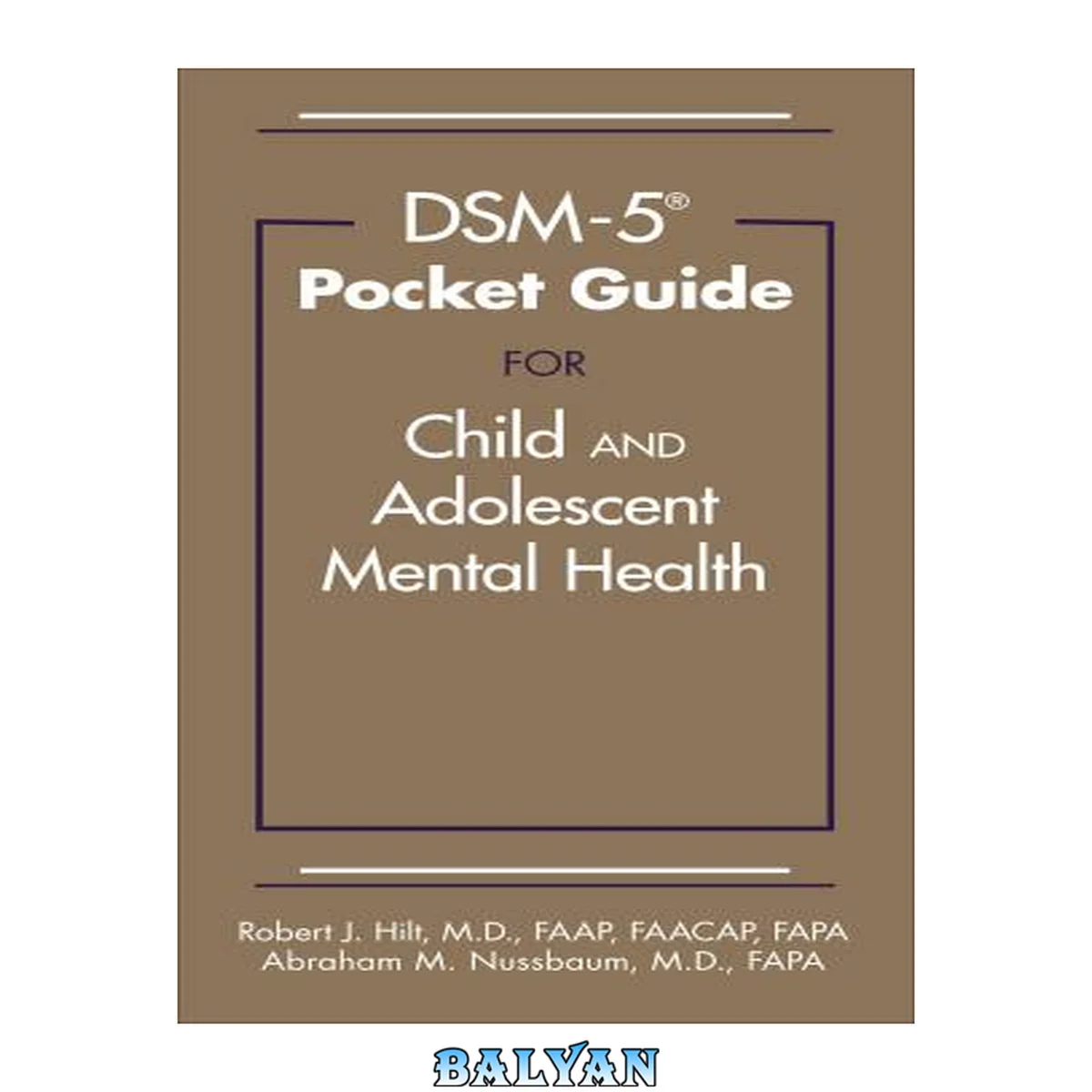
معرفی کتاب «DSM-5® Pocket Guide for Child and Adolescent Mental Health» نوشتهٔ Howey، Hugh و American Psychiatric Association;Hilt, Robert J.;Nussbaum, Abraham M، منتشرشده توسط نشر American Psychiatric Association Publishing در سال 2016. این کتاب در 8 صفحه، فرمت epub، زبان انگلیسی ارائه شده است.
راهنمای جیبی دیاسام-۵ برای سلامت روان کودک و نوجوان (DSM-5® Pocket Guide for Child and Adolescent Mental Health) نوشتهٔ دکتر رابرت جی. هیلت و دکتر آبراهام ام. نوسباوم، منبعی عملی و کاربردی برای متخصصان حوزهٔ سلامت روان است که با کودکان و نوجوانان سروکار دارند. این کتاب که توسط انجمن روانپزشکی آمریکا منتشر شده، ابزاری کارآمد برای مصاحبهٔ تشخیصی و برنامهریزی درمانی فراهم میآورد و به پزشکان کمک میکند تا از معیارهای دیاسام-۵ در محیطهای بالینی شلوغ استفاده کنند.
دربارهٔ کتاب —
کتاب حاضر بر اساس کتاب پرفروش «راهنمای جیبی برای معاینهٔ تشخیصی دیاسام-۵» بنا شده است و به مخاطب میآموزد که چگونه برای جمعیت کودک و نوجوان، تشخیص و برنامهٔ درمانی تدوین کند. از آنجا که این بیماران بیشتر در محیط مراقبتهای اولیه درمان را آغاز میکنند تا در محیط تخصصی، نویسندگان توجه ویژهای به الزامات عملی این محیطها داشتهاند. این کتاب با ساختاری منعطف طراحی شده است و به خوانندگان این امکان را میدهد که یا بخشهای کامل آن را برای درک عمیق مطالعه کنند، یا در مواقع نیاز، از آن بهعنوان راهنمای سریع برای مصاحبه با بیماران استفاده نمایند. محتوای کتاب در سه بخش اصلی سازماندهی شده است. بخش اول به تشخیص و درمان کودکان و نوجوانان میپردازد و شامل مباحثی مانند مصاحبهٔ تشخیصی ۱۵ و ۳۰ دقیقهای است. بخش دوم به کاربرد مستقیم معیارهای دیاسام-۵ اختصاص دارد و نسخهای خلاصه از این راهنما را ارائه میکند. بخش سوم نیز شامل ابزارها و راهنماهای بالینی تکمیلی، از جمله رویکردی گامبهگام برای تشخیص افتراقی، معاینهٔ وضعیت روانی، و برنامهریزی درمانی است. جداول و شکلهای متعدد، دسترسی به اطلاعات تخصصی مانند نقاط عطف رشد، نگرانیهای بالینی رایج و داروها را آسان میسازد.دربارهٔ نویسنده
رابرت جی. هیلت، امدی، استاد دانشیار گروه روانپزشکی در دانشگاه واشینگتن و مدیر خط دسترسی مشارکت در بیمارستان کودکان سیاتل است. آبراهام ام. نوسباوم، امدی، مدیر بخش بستری روانپزشکی بزرگسالان در دنور هلث و استادیار گروه روانپزشکی در دانشکدهٔ پزشکی دانشگاه کلرادو میباشد. هر دو نویسنده از متخصصان برجستهٔ حوزهٔ روانپزشکی هستند و این کتاب حاصل تجربهٔ بالینی و آموزشی گستردهٔ آنهاست.چرا باید «راهنمای جیبی دیاسام-۵ برای سلامت روان کودک و نوجوان» را بخوانید؟
- کارایی در محیطهای بالینی پرمشغله: این کتاب به طور خاص برای محیطهای مراقبت اولیه طراحی شده و به پزشکان کمک میکند تا در زمان محدود ویزیت، تشخیص دقیقی داشته باشند و برنامهٔ درمانی مناسبی ارائه دهند.
- راهنمای گامبهگام برای تشخیص افتراقی: یک چارچوب هفت مرحلهای برای تشخیص افتراقی ارائه میدهد که به پزشکان در تصمیمگیری بالینی کمک میکند و علل گوناگون و مرتبط با اختلالات روانی را در نظر میگیرد.
- دسترسی آسان به اطلاعات کلیدی: جداول و خلاصههای مفید، دسترسی سریع به اطلاعاتی مانند نقاط عطف رشد، نشانههای هشداردهنده برای ارجاع و توصیههای اولیهٔ روانی-اجتماعی را فراهم میکند.
- مناسب برای سطوح مختلف تجربه: این کتاب برای مصاحبهگران با هر سطح از تجربه و در تخصصهای گوناگون طراحی شده است و به متخصصان تازهکار و باسابقه به یک اندازه کمک میکند.
- تقویت مهارتهای بالینی: با ارائهٔ پرسشها و عبارات پیشنهادی برای بررسی مسائل حساس مانند افکار خودکشی و سوءاستفاده، اعتمادبهنفس بالینی پزشکان را افزایش میدهد.
این کتاب برای چه کسانی مناسب است؟
این کتاب مرجعی ضروری برای طیف گستردهای از متخصصان از جمله پزشکان مراقبتهای اولیه، متخصصان اطفال، دستیاران در حال آموزش، روانپزشکان عمومی و سایر پزشکانی است که از کودکان و نوجوانان درگیر با پریشانی و بیماریهای روانی مراقبت میکنند. همچنین برای متخصصان سلامت روان که در محیطهای پزشکی کار میکنند و به دنبال ارتقای مهارتهای تشخیصی و درمانی خود در حوزهٔ کودک و نوجوان هستند، منبعی ارزشمند محسوب میشود.سوالات متداول
آیا این کتاب جایگزین کتاب اصلی دیاسام-۵ میشود؟
خیر. این کتاب بهعنوان همراه و مرجعی عملی برای استفاده از معیارهای دیاسام-۵ در مصاحبههای تشخیصی با کودکان و نوجوانان طراحی شده است و به هیچ وجه جایگزین کتاب اصلی دیاسام-۵ نیست. هدف آن ترجمهٔ چارچوب دیاسام-۵ به زبانی کاربردی برای محیط بالینی است.
آیا این کتاب برای روانشناسان و مددکاران اجتماعی نیز مفید است؟
بله. با وجود اینکه نویسندگان پزشک هستند، این کتاب برای مصاحبهگرانی از رشتههای مختلف کمککننده طراحی شده است و میتواند برای روانشناسان، مددکاران اجتماعی و سایر متخصصان حوزهٔ سلامت روان که با کودکان کار میکنند، بسیار کاربردی باشد.
آیا این کتاب شامل راهنماهای درمانی نیز میشود؟
بله. کتاب علاوه بر تشخیص، به برنامهریزی درمانی و ارائهٔ توصیههایی برای مداخلات روانی-اجتماعی، رواندرمانی و دارودرمانی نیز میپردازد و رویکردی جامع برای مدیریت بالینی بیماران ارائه میدهد.
Building on the best-selling Pocket Guide to the DSM-5 Diagnostic Exam, The DSM-5® Pocket Guide for Child and Adolescent Mental Health teaches readers how to formulate a diagnosis and treatment plan for this patient population. Because these patients are more likely to initiate mental health treatment in a primary care rather than specialty care setting, the authors pay particular attention to the practical exigencies of the primary care setting. Accordingly, chapters are devoted to topics such as diagnostically interviewing around different chief complaints; performing 15- and 30-minute versions of the diagnostic interview; recognizing developmental milestones and red flags for referral, and more. The book's structure is flexible, affording readers the freedom to read sections in their entirety for background or to use the guide on the fly, as with interview questions for specific diagnoses. The book is an essential reference for primary care physicians, pediatricians, residents in training, and general psychiatrists, and other practitioners caring for children and adolescents experiencing mental distress and mental illness.
The authors have designed the book with a variety of useful features: Multiple tables and figures make expert advice readily accessible, including tables for developmental milestones, common clinical concerns, and medications. Brief supplements to the diagnostic interview are presented, including an easy-to-use summary of DSM-5 disorders, a stepwise approach to differential diagnosis, the mental status examination and a psychiatric glossary, DSM-5-related diagnostic tools and scales, and coverage of alternative diagnostic systems and rating scales. A seven-step sequential framework for generating a differential diagnosis helps clinicians develop their clinical decision-making skills and ensure that they take into account the many and interrelated causes of mental disorders. Initial psychosocial recommendations are included for such topics as sleep hygiene and behavior management.
Recognizing that clinicians need to use DSM-5 criteria and evidence-based treatment protocols to formulate treatment plans, the authors designed this book for all levels of experience. Direct, practical, and informative, The DSM-5® Pocket Guide for Child and Adolescent Mental Health will enable readers to efficiently and effectively use DSM-5 as part of a comprehensive diagnostic interview and treatment planning.
Building on the best-selling Pocket Guide to the DSM-5 Diagnostic Exam, The DSM-5® Pocket Guide for Child and Adolescent Mental Health teaches readers how to formulate a diagnosis and treatment plan for this patient population. Because these patients are more likely to initiate mental health treatment in a primary care rather than specialty care setting, the authors pay particular attention to the practical exigencies of the primary care setting. Accordingly, chapters are devoted to topics such as diagnostically interviewing around different chief complaints; performing 15- and 30-minute versions of the diagnostic interview; recognizing developmental milestones and red flags for referral, and more. The book's structure is flexible, affording readers the freedom to read sections in their entirety for background or to use the guide on the fly, as with interview questions for specific diagnoses. The book is an essential reference for primary care physicians, pediatricians, residents in training, and general psychiatrists, and other practitioners caring for children and adolescents experiencing mental distress and mental illness. The authors have designed the book with a variety of useful features: Multiple tables and figures make expert advice readily accessible, including tables for developmental milestones, common clinical concerns, and medications. Brief supplements to the diagnostic interview are presented, including an easy-to-use summary of DSM-5 disorders, a stepwise approach to differential diagnosis, the mental status examination and a psychiatric glossary, DSM-5-related diagnostic tools and scales, and coverage of alternative diagnostic systems and rating scales. A seven-step sequential framework for generating a differential diagnosis helps clinicians develop their clinical decision-making skills and ensure that they take into account the many and interrelated causes of mental disorders. Initial psychosocial recommendations are included for such topics as sleep hygiene and behavior management. Recognizing that clinicians need to use DSM-5 criteria and evidence-based treatment protocols to formulate treatment plans, the authors designed this book for all levels of experience. Direct, practical, and informative, The DSM-5® Pocket Guide for Child and Adolescent Mental Health will enable readers to efficiently and effectively use DSM-5 as part of a comprehensive diagnostic interview and treatment planning. Designed for interviewers at all levels of experience and in a variety of specialties, The DSM-5® Pocket Guide for Child and Adolescent Mental Health helps clinicians use DSM-5 in diagnostic interviews and initial treatment planning for children and adolescents. Assessment in this population requires special skills and considerations because the patient must be evaluated in the context of the family and community. This thoughtful yet practical guide does not replace DSM-5 but acts as a companion and reference, translating the DSM-5 framework and explaining how to employ the criteria as part of a diagnostic interview. The book builds on the best-selling The Pocket Guide to the DSM-5® Diagnostic Exam by providing diagnostic interviews of different lengths and tailoring all questions specifically for children and adolescents while introducing multiple tools for treatment planning and advice for initial psychosocial, psychoeducational, psychotherapeutic, and psychopharmacological treatments. Easy to use and pragmatic in orientation, The DSM-5® Pocket Guide for Child and Adolescent Mental Health helps clinicians to accurately diagnose a child or adolescent in mental distress while establishing a therapeutic alliance, which is the goal of any psychiatric encounter The DSM-5 Pocket Guide for Child and Adolescent Mental Health integrates DSM-5 diagnostic criteria and evidence-based treatment protocols into the essential companion for all clinicians who evaluate and treat children and adolescents. With its tables, figures, and suggested questions, the Pocket Guide gives readers ready access to expert advice. The book is indispensable for all clinicians interested in improving their ability to provide evidence-based care for children and adolescents with mental distress.