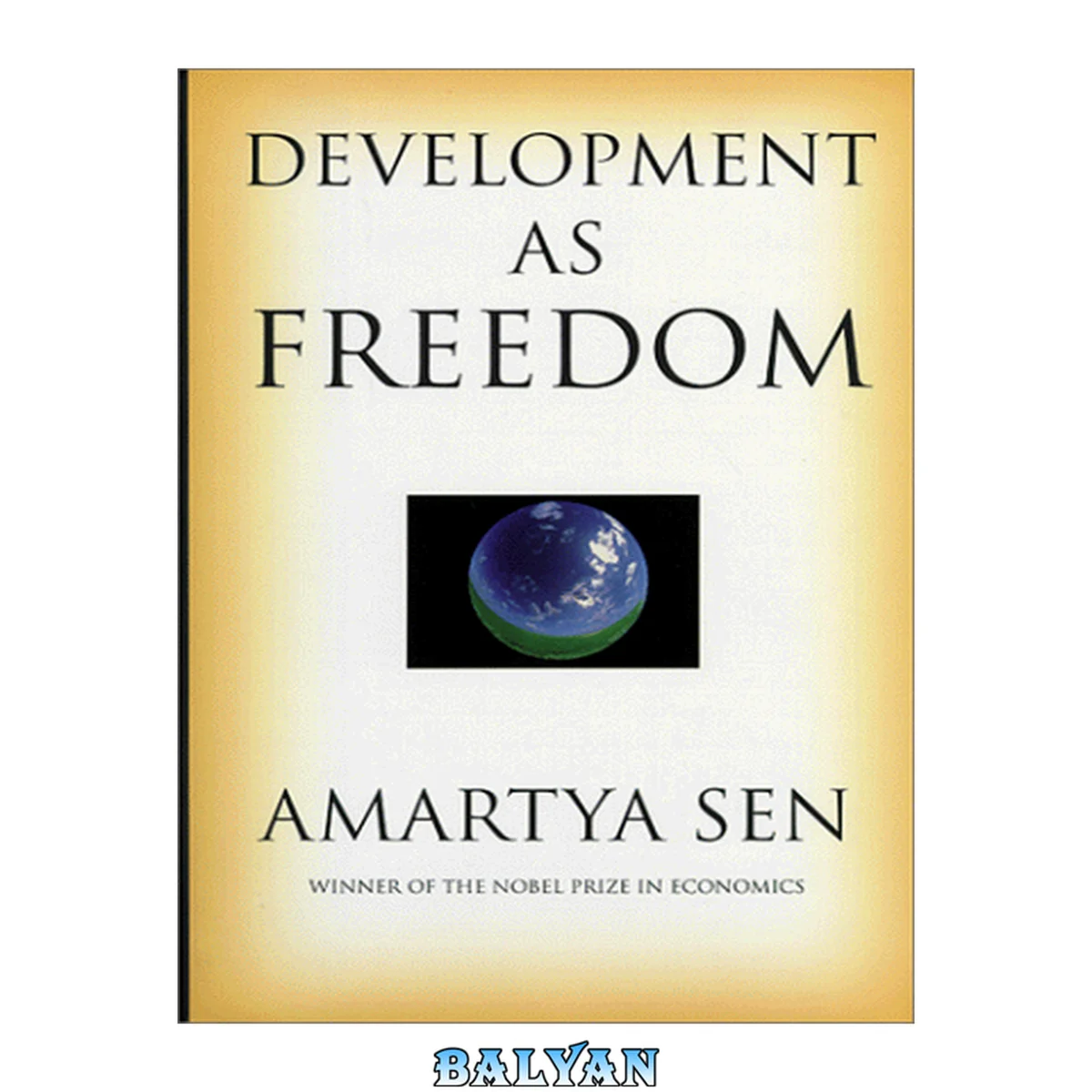
معرفی کتاب «Development as Freedom» نوشتهٔ Amartya Kumar Sen، منتشرشده توسط نشر Alfred A. Knopf در سال 2000. این کتاب در 384 صفحه، فرمت pdf، زبان انگلیسی ارائه شده است.
«توسعه به مثابه آزادی» (Development as Freedom) نوشتهٔ آمارتیا سن، برندهٔ جایزهٔ نوبل اقتصاد در سال ۱۹۹۸، یکی از تأثیرگذارترین آثار در حوزهٔ اقتصاد توسعه است که نگاهی نوین به مفهوم توسعه و رابطهٔ آن با آزادیهای فردی ارائه میدهد. این کتاب که توسط انتشارات نادف (Alfred A. Knopf) در سال ۲۰۰۰ منتشر شده، با رویکردی میانرشتهای، مرزهای سنتی علم اقتصاد را درنوردیده و آزادی را نه تنها هدف غایی توسعه، بلکه مؤثرترین وسیله برای تحقق آن معرفی میکند.
دربارهٔ کتاب «توسعه به مثابه آزادی»
آمارتیا سن در این اثر ماندگار، چارچوبی تحلیلی و در عین حال انسانی برای درک توسعه ارائه میدهد که فراتر از شاخصهای صرفاً اقتصادی نظیر تولید ناخالص داخلی است. او با طرح پرسشی بنیادین - «ارتباط میان ثروت اقتصادی جمعی و توانایی ما برای زندگی به گونهای که دوست داریم، چیست؟» - نشان میدهد که توسعه در اصل فرایندی برای گسترش آزادیهای واقعی افراد و رفع «ناآزادیهایی» (Unfreedoms) است که آنان را از انتخاب و عاملیت محروم میکند. کتاب بر این باور استوار است که آزادی، هم به عنوان هدف نهایی و هم به عنوان ابزار اصلی توسعه، نقشی دوگانه و محوری ایفا میکند. سن با بهرهگیری از فلسفهٔ اخلاق و سیاست در کنار تحلیلهای فنی اقتصاد، نشان میدهد که نهادهایی مانند بازار، احزاب سیاسی، قوهٔ قضائیه و رسانهها با افزایش آزادی فردی به توسعه کمک میکنند و خود نیز از ارزشهای اجتماعی تغذیه میشوند. او در این مسیر، مفاهیمی چون فقر را به عنوان «محرومیت از قابلیت» (Capability Deprivation) بازتعریف میکند و بر نقش اساسی دموکراسی، شفافیت، امنیت حمایتی و فرصتهای اجتماعی در فرایند توسعه تأکید میورزد. این کتاب که بر پایهٔ سخنرانیهای سن در بانک جهانی در سال ۱۹۹۶ بنا شده، به زبانی غیرتخصصی برای مخاطب عمومی نوشته شده است تا به گفتمانی عمومی دربارهٔ مسائل توسعه دامن بزند.
دربارهٔ نویسنده
آمارتیا کومار سن، اقتصاددان و فیلسوف برجستهٔ هندی، استاد اقتصاد و فلسفه در دانشگاه هاروارد است و پیشتر از ۱۹۹۸ تا ۲۰۰۴ ریاست کالج ترینیتی در دانشگاه کمبریج را بر عهده داشته است. او در سال ۱۹۹۸ به دلیل «بازگرداندن بعد اخلاقی به بحث مسائل اقتصادی» و گشودن حوزههای جدید تحقیق برای نسلهای بعدی پژوهشگران، موفق به دریافت جایزهٔ نوبل علوم اقتصادی شد. از دیگر آثار مشهور او میتوان به «هند استدلالگرا» (The Argumentative Indian)، «هویت و خشونت: توهم سرنوشت» (Identity and Violence) و «ایدهٔ عدالت» (The Idea of Justice) اشاره کرد که همگی به زبانهای متعددی ترجمه شدهاند. سن که در سال ۲۰۱۲ مدال ملی علوم انسانی را از دست باراک اوباما، رئیسجمهور وقت آمریکا دریافت کرد، تأثیری عمیق بر تفکر اقتصادی و سیاستگذاری اجتماعی در سطح جهان داشته است.
چرا باید «توسعه به مثابه آزادی» را بخوانید؟
مطالعهٔ این کتاب، دریچهای تازه به روی درک ما از پیشرفت و عدالت میگشاید و بینشهای عمیقی را برای مخاطب خود به ارمغان میآورد. در ادامه به برخی از مهمترین دستاوردهای آن اشاره میشود:
درک جامع از توسعه: با این کتاب درمییابید که توسعه صرفاً افزایش ثروت مادی نیست، بلکه فرایندی برای گسترش آزادیهای واقعی و تواناییهای انسانی است که به افراد امکان میدهد زندگیای را که خود به آن ارزش مینهند، برگزینند.
ارتباط متقابل آزادیها: سن با استدلالی قانعکننده نشان میدهد که انواع مختلف آزادی (سیاسی، اقتصادی، اجتماعی، شفافیت و امنیت) یکدیگر را تقویت میکنند و مجموعهای بههمپیوسته را تشکیل میدهند که برای توسعه ضروری است.
نگاهی نو به فقر و نابرابری: با مفهوم «فقر به مثابه محرومیت از قابلیت» آشنا میشوید که درکی عمیقتر و انسانیتر از پدیدهٔ فقر، فراتر از کمبود درآمد، به دست میدهد.
تبیین نقش نهادهای اجتماعی: کتاب به خوبی نشان میدهد که نهادهایی چون بازار، دولت و رسانهها چگونه میتوانند با تضمین آزادیهای اساسی، به عاملیت افراد و توسعه کمک کنند یا در صورت ناکارآمدی، مانع آن شوند.
تحلیل مصادیق عینی: سن با بررسی نمونههای تاریخی و معاصر، مانند بحران اقتصادی آسیا، به طور ملموس نشان میدهد که چگونه فقدان شفافیت و آزادیهای سیاسی میتواند به فجایع انسانی و اقتصادی دامن بزند.
این کتاب برای چه کسانی مناسب است؟
«توسعه به مثابه آزادی» اثری است برای طیف گستردهای از مخاطبان؛ از دانشجویان و پژوهشگران حوزههای اقتصاد، علوم سیاسی، فلسفه و جامعهشناسی گرفته تا سیاستگذاران و فعالان حوزهی توسعه. همچنین این کتاب برای هر شهروند آگاه و علاقهمندی که به دنبال درکی عمیقتر از چالشهای جهانی مانند فقر، نابرابری، دموکراسی و حقوق بشر است، منبعی ارزشمند و روشنگر به شمار میرود. نثر روان و مثالهای ملموس سن، این اثر را برای خوانندگان غیرمتخصص نیز قابل دسترس ساخته است.
سوالات متداول
تفاوت دیدگاه سن با تعریف سنتی از توسعه در چیست؟
دیدگاه سن، توسعه را فراتر از رشد اقتصادی صرف تعریف میکند و آن را فرایندی برای گسترش آزادیهای واقعی و قابلیتهای افراد میداند. در این نگاه، فقر نه فقط کمبود درآمد، بلکه محرومیت از تواناییهای اساسی برای زیستن به گونهای ارزشمند است.
آیا این کتاب صرفاً جنبهٔ نظری دارد یا کاربردی نیز هست؟
کتاب با وجود بنیانهای نظری عمیق، بسیار کاربردی است و با تحلیل بحرانهایی مانند قحطی و بحران اقتصادی آسیا، نشان میدهد که چگونه رویکرد مبتنی بر آزادی میتواند به سیاستگذاری کارآمدتر منجر شود. سن بر نقش نهادهای مشخصی چون دولت، بازار و رسانهها در این فرایند تأکید دارد.
آیا این کتاب برای خوانندهای با پیشینهٔ غیراقتصادی قابل درک است؟
بله، آمارتیا سن این کتاب را عمدتاً برای مخاطب عمومی نوشته و بحث را تا حد امکان غیرفنی و روان ارائه کرده است. او مباحث تخصصی و ارجاعات آکادمیک را به پانوشتهای انتهای کتاب موکول کرده تا خوانندهی غیرمتخصص نیز به راحتی از مطالب بهرهمند شود.
Development as Freedom is a general exposition of the economic ideas and analyses of Amartya Sen, winner of the 1998 Nobel Prize in Economic Science. This brilliant and indispensable treatise compellingly analyzes the nature of contemporary economic development from the perspective of human freedom. Freedom, Sen persuasively argues, is at once the ultimate goal of economic life and the most efficient means of realizing general welfare. It is a good to be enjoyed by the world's entire population. Drawing on moral and political philosophy and technical economic analysis, this work gives the nonspecialist reader powerful access to Sen's paradigm-altering vision and vividly shows how he, in the words of the Nobel Prize committee, has both "restored an ethical dimension to the discussion of economic problems" and "opened up new fields of study for subsequent generations of researchers." To a world divided between those who fear the ruthlessness of the free market under prevailing conditions of global capitalism and those who fear the terror of authoritarian states that stifle indi-vidual liberty as well as initiative, Development as Freedom presents a necessary intellectual and moral framework of analysis and scrutiny. By rigorously addressing one of the largest questions of all--"What is the relation between our economic wealth and our ability to live as we would like?"--Sen allows economics once again, as it did in the time of Adam Smith, to address the social basis of individual well-being and freedom. He also confronts the human dilemma that "despite unprecedented increases in overall opulence, the contemporary world denies elementary freedoms to vast numbers--perhaps even the majority--of people." This is a landmark work that shows how in individual human freedom--the exclusive possession, Sen shows, of no particular nation, region or historical, intellectual or religious tradition--lies the capacity for political participation, economic development and social progress. Publisher Fact Sheet From the winner of the 1998 Nobel Prize in Economic Science: the most comprehensive & accessible explanation of his stunning new theory of global economic development, which places individual human freedom & the general welfare of the world's population squarely at the center of economic thought. Adopting the unprecedented point of view of economic development as the expansion of the real freedoms that people enjoy. Development as Freedom systematically argues for an understanding of the relation between economics & human capability & possibility. Amartya Sen's analysis takes as its perspective the welfare of all the world's people (including those denied the most elementary forms of freedom, such as freedom from hunger, illiteracy, & early death), & demonstrates how only through the expansion of freedom can economic, social, & political considerations be integrated to produce policies conducive to world-wide economic development beneficial to all. Development as Freedom lays the foundation for a radically new understanding of human economic activity & its optimistic implications for global progress. Not since Adam Smith's The Wealth of Nations has there been a work of economic theory of such extraordinary importance Contents......Page 8 Illustrations......Page 10 Preface......Page 12 Acknowledgments......Page 16 Introduction:Development as Freedom......Page 20 1.The Perspective of Freedom......Page 30 2.The Ends and the Means of Development......Page 52 3.Freedom and the Foundations of Justice......Page 71 4.Poverty as Capability Deprivation......Page 104 5.Markets,State and Social Opportunity......Page 128 6.The Importance of Democracy......Page 163 7.Famines and Other Crises......Page 177 8.Women's Agency and Social Change......Page 206 9.Population,Food and Freedom......Page 221 10.Culture and Human Rights......Page 244 11.Social Choice and Individual Behavior......Page 266 12.Individual Freedom as a Social Commitment......Page 299 Notes......Page 316 Index by Name......Page 370 Index by Subject......Page 378 "Development as Freedom is a general exposition of the economic ideas and analyses of Amartya Sen, winner of the 1998 Nobel Prize in Economic Science. This treatise analyzes the nature of contemporary economic development from the perspective of human freedom. Freedom, Sen persuasively argues, is at once the ultimate goal of economic life and the most efficient means of realizing general welfare. It is a good to be enjoyed by the world's entire population."--BOOK JACKET. "This is a landmark work that shows how in individual human freedom - the exclusive possession, Sen shows, of no particular nation, region or historical, intellectual or religious tradition -lies the capacity for political participation, economic development and social progress."--BOOK JACKET. General Exposition Of The Economic Ideas And Analyses Of Amartya Sen, Winner Of The 1998 Nobel Prize In Economic Science. This Treatise Analyzes The Nature Of Contemporary Economic Development From The Perspective Of Human Freedom. -- Jacket. The Perspective Of Freedom -- The Ends And The Means Of Development -- Freedom And The Foundations Of Justice -- Poverty As Capability Deprivation -- Markets, State And Social Opportunity -- The Importance Of Democracy -- Famines And Other Crises -- Women's Agency And Social Change -- Population, Food And Freedom -- Culture And Human Rights -- Social Choice And Individual Behavior -- Individual Freedom As A Social Commitment. Amartya Sen. Includes Bibliographical References (p. [299]-351) And Indexes. **Development as Freedom** is a 1999 book about international development by Indian economist and philosopher Amartya Sen. The American edition of the book was published by Alfred A. Knopf. (Source: [Wikipedia](https://en.wikipedia.org/wiki/Development_as_Freedom)) The winner of the 1998 Nobel Prize in Economics presents an incisive explication of his theory of global economic development, that links individual human freedom and the welfare of the world's population with worldwide economic development