Destruction was my Beatrice : Dada and the unmaking of the twentieth century
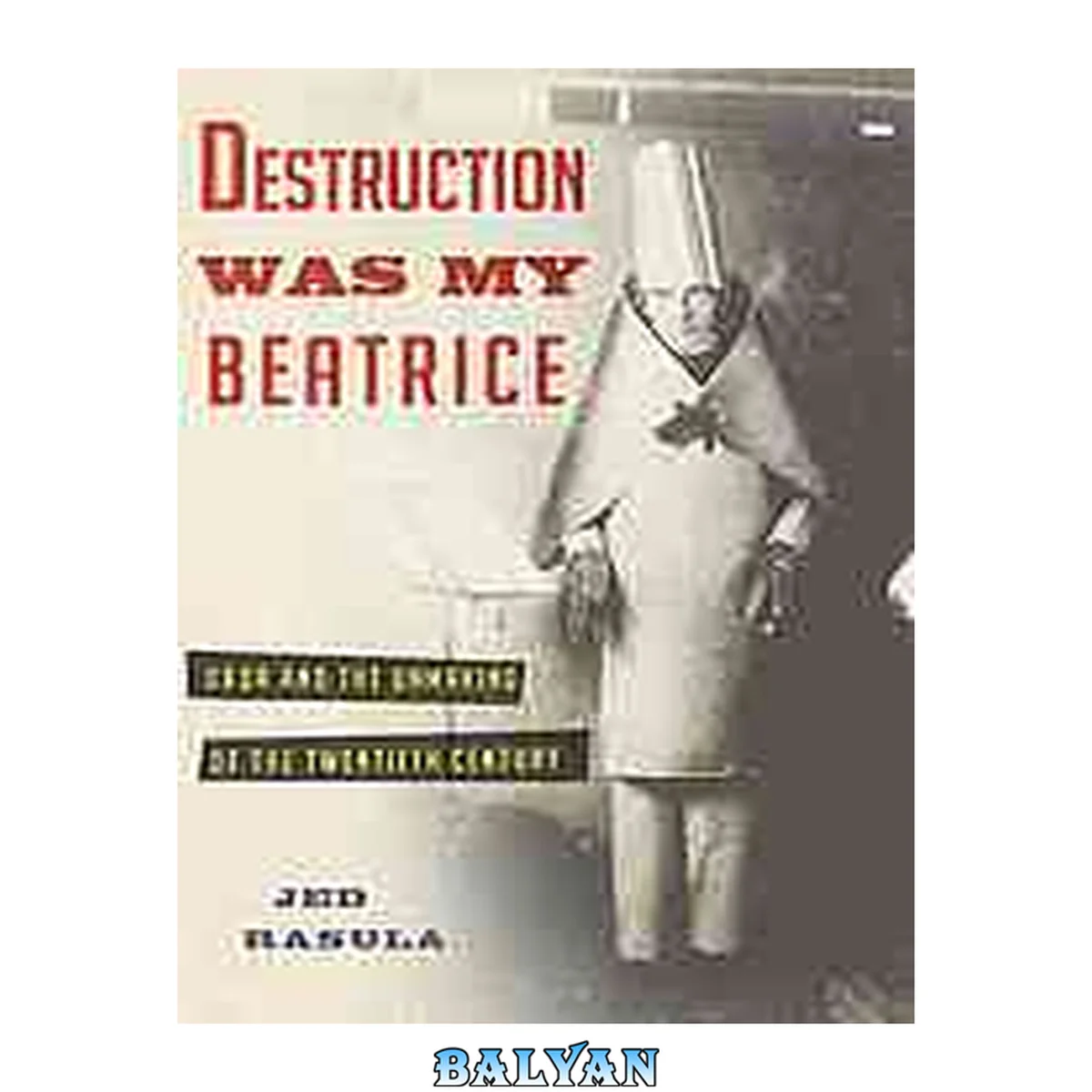
معرفی کتاب «Destruction was my Beatrice : Dada and the unmaking of the twentieth century» نوشتهٔ Rasula, Jed، منتشرشده توسط نشر Basic Books در سال 2015. این کتاب در 3 صفحه، فرمت epub، زبان انگلیسی ارائه شده است.
"In 1916, as World War I raged around them, a group of bohemians gathered at a small cabaret in Zurich, Switzerland. After decorating the walls with art by Picasso and other avant-garde artists, they embarked on a series of extravagant performances. Three readers simultaneously recited a poem in three languages; a monocle-wearing teenager performed a spell from New Zealand; another young man sneered at the audience, snapping a whip as he intoned his "Fantastic Prayers." One of the artists called these sessions "both buffoonery and a requiem mass." Soon they would have a more evocative name: Dada. In Destruction Was My Beatrice, modernist scholar Jed Rasula presents the first narrative history of Dada, showing how this little-understood artistic phenomenon laid the foundation for culture as we know it today. Although the venue where Dada was born closed after only four months and its acolytes scattered, the idea of Dada quickly spread to New York, where it influenced artists like Marcel Duchamp and Man Ray; to Berlin, where it inspired painters George Grosz and Hannah Höch; and to Paris, where it dethroned previous avant-garde movements like Fauvism and Cubism while inspiring early Surrealists like André Breton, Louis Aragon, and Paul Éluard. The long tail of Dadaism, Rasula shows, can be traced even further, to artists as diverse as William S. Burroughs, Robert Rauschenberg, Marshall McLuhan, the Beatles, Monty Python, David Byrne, and Jean-Michel Basquiat, all of whom -- along with untold others -- owe a debt to the bizarre wartime escapades of the Dada vanguard. A globe-spanning narrative that resurrects some of the 20th century's most influential artistic figures, Destruction Was My Beatrice describes how Dada burst upon the world in the midst of total war -- and how the effects of this explosion are still reverberating today." -- Publisher's description Read more... Abstract: "Modernist scholar Jed Rasula presents the first narrative history of the emergence, decline, and legacy of Dada, showing how this strange artistic phenomenon spread across Europe and then the world in the wake of the Great War, fundamentally reshaping modern culture in ways we're still struggling to understand today"-- Read more... In 1916, As World War I Raged Around Them, A Group Of Bohemians Gathered At A Small Nightclub In Zurich, Switzerland For A Series Of Bizarre Performances. Three Readers Simultaneously Recited A Poem In Three Languages; A Monocle-wearing Teenager Performed A Spell From New Zealand; Another Young Man Flung Bits Of Papier-mâche Into The Air And Glued Them Into Place Where They Landed. One Of These Artists Called The Sessions Both Buffoonery And A Requiem Mass. Soon They Would Be Known By A More Evocative Name: Dada. In Destruction Was My Beatrice, Modernist Scholar Jed Rasula Presents The First Narrative History Of The Emergence, Decline, And Legacy Of Dada, Showing How This Strange Artistic Phenomenon Spread Across Europe And Then The World In The Wake Of The Great War, Fundamentally Reshaping Modern Culture In Ways We're Still Struggling To Understand Today-- Cabaret Voltaire -- Magic Bishop And Mr. Aspirin -- Fantastic Prayers -- Dada Hurts -- Merz -- Spark Plugs -- Last Loosening -- A Need For Complications -- Nothing -- A Dostoyevsky Drama -- New Life -- Yes No -- Truth Or Myth? Jed Rasula. Includes Bibliographical References (pages 349-350) And Index. "In 1916, as World War I raged around them, a group of bohemians gathered at a small nightclub in Zurich, Switzerland for a series of bizarre performances. Three readers simultaneously recited a poem in three languages; a monocle-wearing teenager performed a spell from New Zealand; another young man flung bits of papier-mâche into the air and glued them into place where they landed. One of these artists called the sessions "both buffoonery and a requiem mass." Soon they would be known by a more evocative name: Dada. In Destruction Was My Beatrice, modernist scholar Jed Rasula presents the first narrative history of the emergence, decline, and legacy of Dada, showing how this strange artistic phenomenon spread across Europe and then the world in the wake of the Great War, fundamentally reshaping modern culture in ways we're still struggling to understand today"-- Provided by publisher. Source of summary unknown (vendor record) In 1916, as World War I raged around them, a group of bohemians gathered at a small nightclub in Zurich, Switzerland for a series of bizarre performances. Three readers simultaneously recited a poem in three languages; a monocle-wearing teenager performed a spell from New Zealand; another young man flung bits of papier-mâché into the air and glued them into place where they landed. One of these artists called the sessions “both buffoonery and a requiem mass.” Soon they would be known by a more evocative name: Dada. In Destruction Was My Beatrice , modernist scholar Jed Rasula presents the first narrative history of the emergence, decline, and legacy of Dada, showing how this strange artistic phenomenon spread across Europe and then the world in the wake of the Great War, fundamentally reshaping modern culture in ways we’re still struggling to understand today. Content: Cabaret Voltaire -- Magic Bishop and Mr. Aspirin -- Fantastic Prayers -- Dada Hurts -- Merz -- Spark Plugs -- Last Loosening -- A Need for Complications -- Nothing, nothing, nothing -- A Dostoyevsky Drama -- New Life -- Yes No -- Truth or Myth? Cabaret Voltaire Magic Bishop and Mr. Aspirin Fantastic prayers Dada hurts Merz Spark plugs Last loosening A need for complications Nothing, nothing, nothing A Dostoyevsky drama New life Yes no Truth or myth? The afterlife of Dada.
دانلود کتاب Destruction was my Beatrice : Dada and the unmaking of the twentieth century